A small, round legume that grows on a bushy plant and is used in cooking.
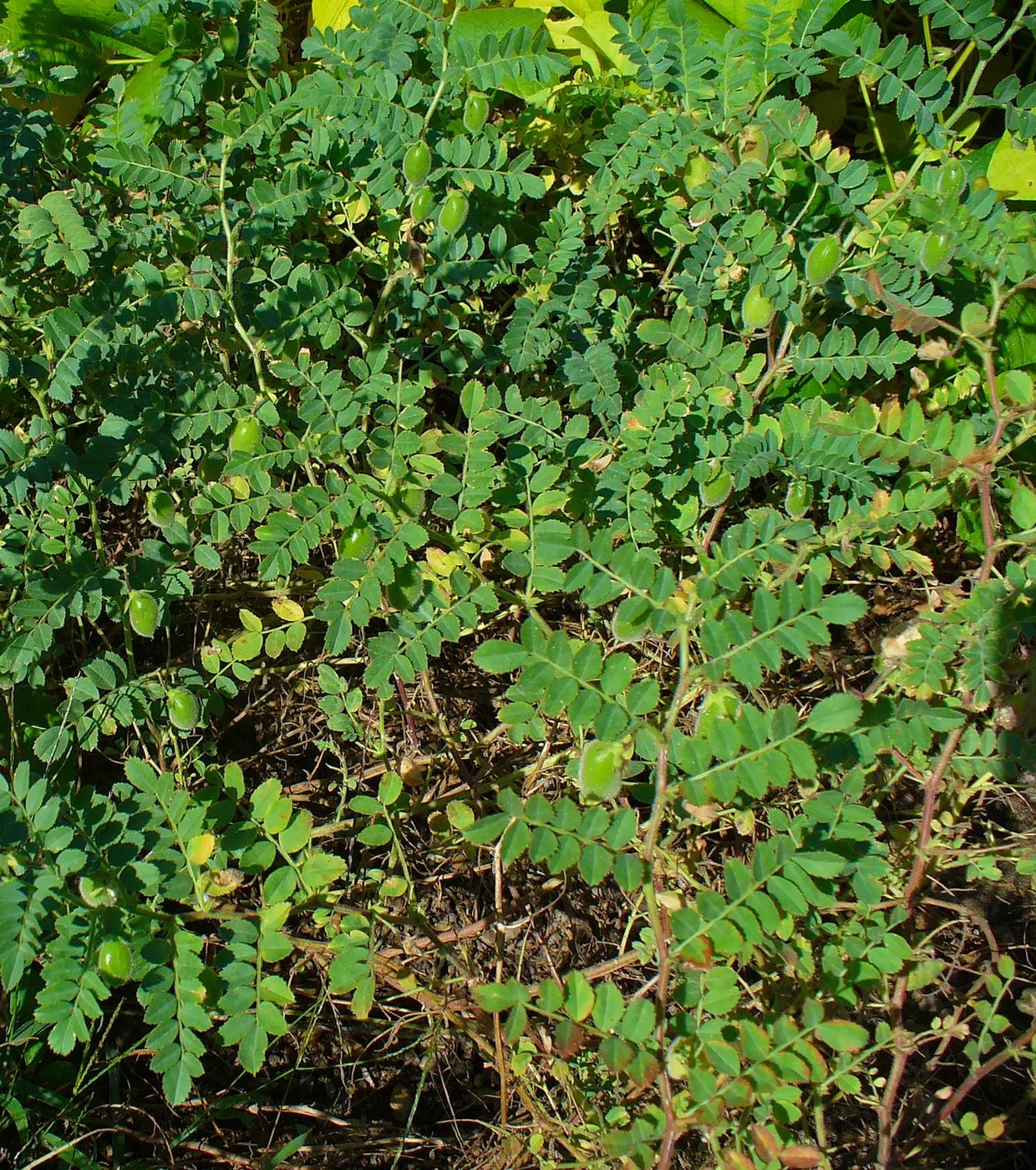
About Chickpea
In ISA 30:24 the prophet says that when God restores the nation of Judah, the oxen and donkeys will eat belil chamits “winnowed with shovel and fork.” The Hebrew word belil is accepted as meaning “fodder” or “provender,” but the modifying word chamits is debated. RSV translates it as “salted,” GNB says, “finest and best,” REB has “well-seasoned,” and NLT uses “good.” NRSV and NAB combine the two words, saying “silage.” However, the Hebrew word chamits is cognate with the Arabic chumus and the Aramaic chimtsa, both of which refer to the Chickpea Cicer arietinum. So Zohary advocates translating chamits as “chickpeas.” The choice is between two interpretations of chamits, one favored by cognate evidence, the other by traditional exegesis. In the excavation of Jericho, chickpeas were found dating from at least 2000 B.C., well before the time of Isaiah, but archeologists claim to have found chickpeas on other sites in the Middle East also, some dating to 7000 B.C. Wild species found growing in the northern part of the Fertile Crescent have led botanists to believe that the chickpea originated there.
Key References
The oxen and donkeys that work the ground will eat salted fodder, winnowed with shovel and pitchfork.
All Scripture References (1)
Isaiah (1)
The oxen and donkeys that work the ground will eat salted fodder, winnowed with shovel and pitchfork.