Discussion
The translation “peacocks” (KJVRSV) is almost certainly incorrect. The rest of the cargo on board Solomon’s ships is from East Africa (the ancient ivory objects discovered by archeologists in the land to date are all made from African ivory) while peacocks originate from India and Myanmar which used to be known as Burma.
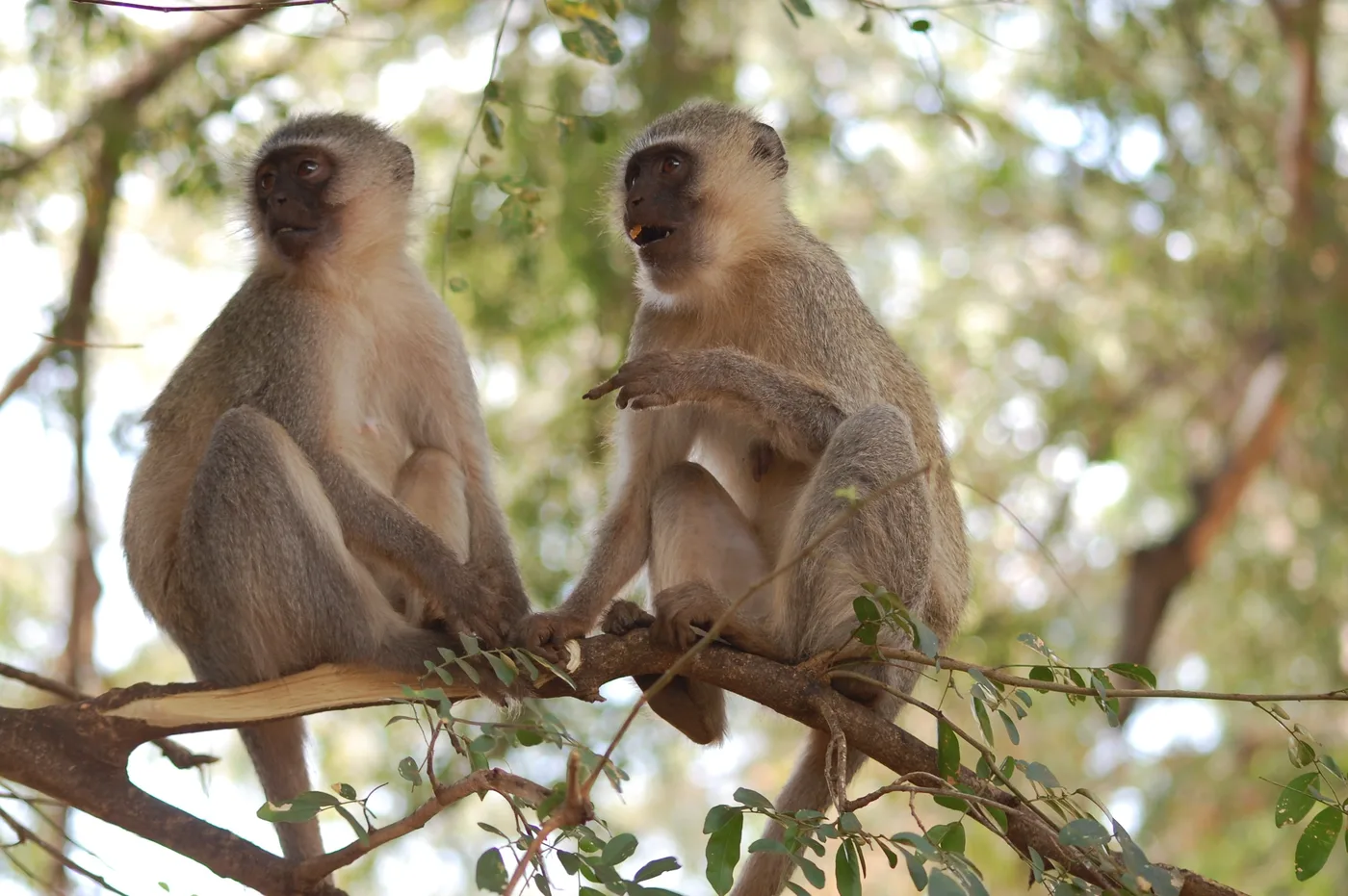
If qof refers to the baboon then it is likely that tuki refers to one of the smaller long-tailed monkeys of the guenon genus. The most common of these are the “green” and “blue” Vervet Monkeys Cercopithecus aethiops found throughout sub-Saharan Africa, Sudan, and Ethiopia. In ancient times these monkeys being easy to capture were exported as pets all over the Middle East and Europe.
Description
Translation
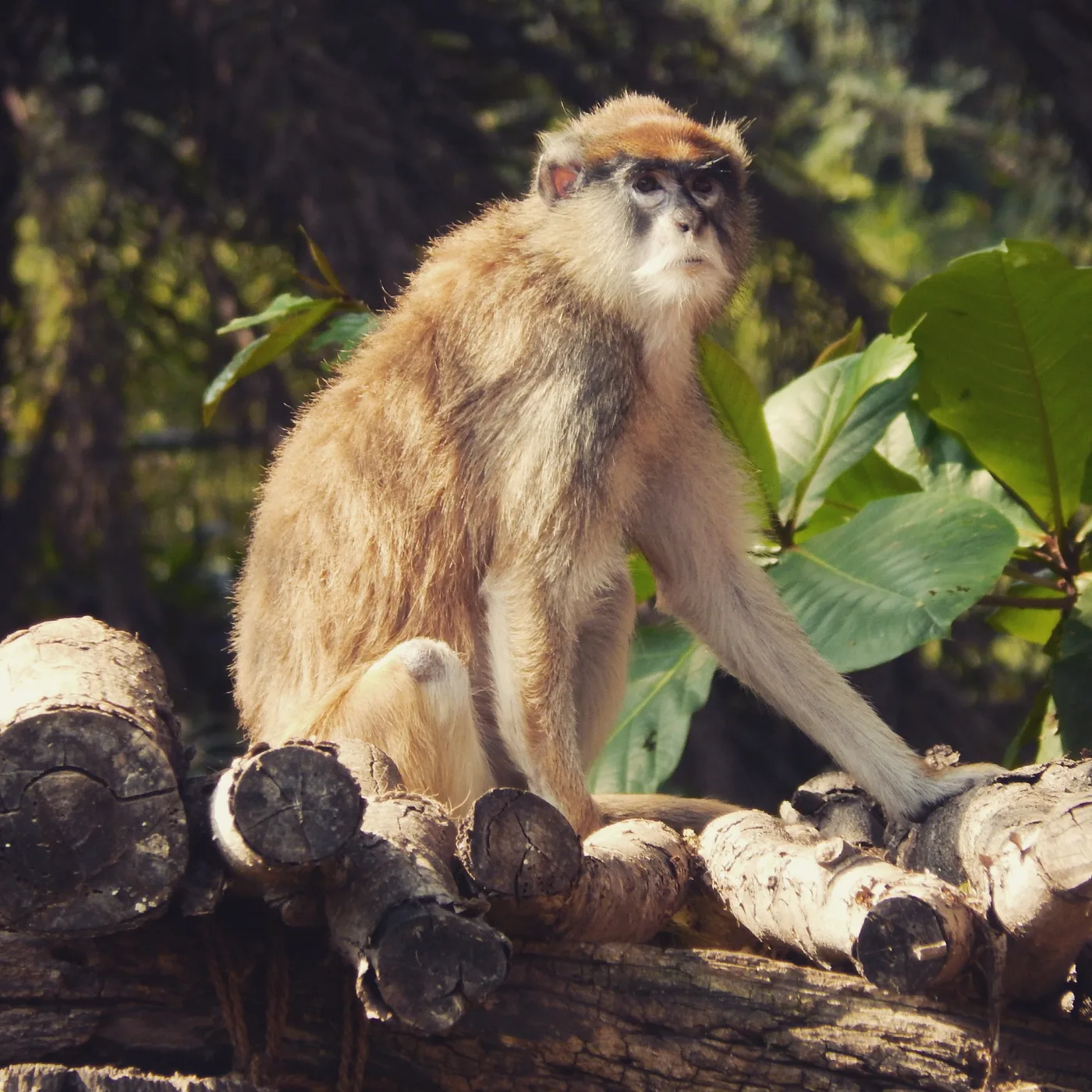
In most parts of Africa the generic local name for the guenon type of monkey or the specific name for the vervet monkey, Cercopithecus mona or Erythrocebus patas, would be a good choice. In Asia the generic name for the long-tailed langurs or a specific name for one of the common langurs could be used, while in Latin America a generic name or a specific term for the smaller capuchin monkeys would be suitable. If there are limited choices, or only one word for monkey, then tuki can be translated “small monkey.” In places where monkeys are not known, a transliteration of tuki or the word in the dominant or trade language should be used.
The recommended interpretation of the Hebrew veqofim vetukiyim in both 1KI 10:22 and 2CH 9:21 is thus “baboons and monkeys".