Discussion
From the variety of translations in the English versions it is evident that there is no consensus on the meaning of this word, apart from the fact that it is a bird that is active at night.
If the bird is one of the types of owl, we can assume from its position in the list of unclean birds that it is between the eagle owl and the little owl in size. In other words it would be one of the medium-sized owls.
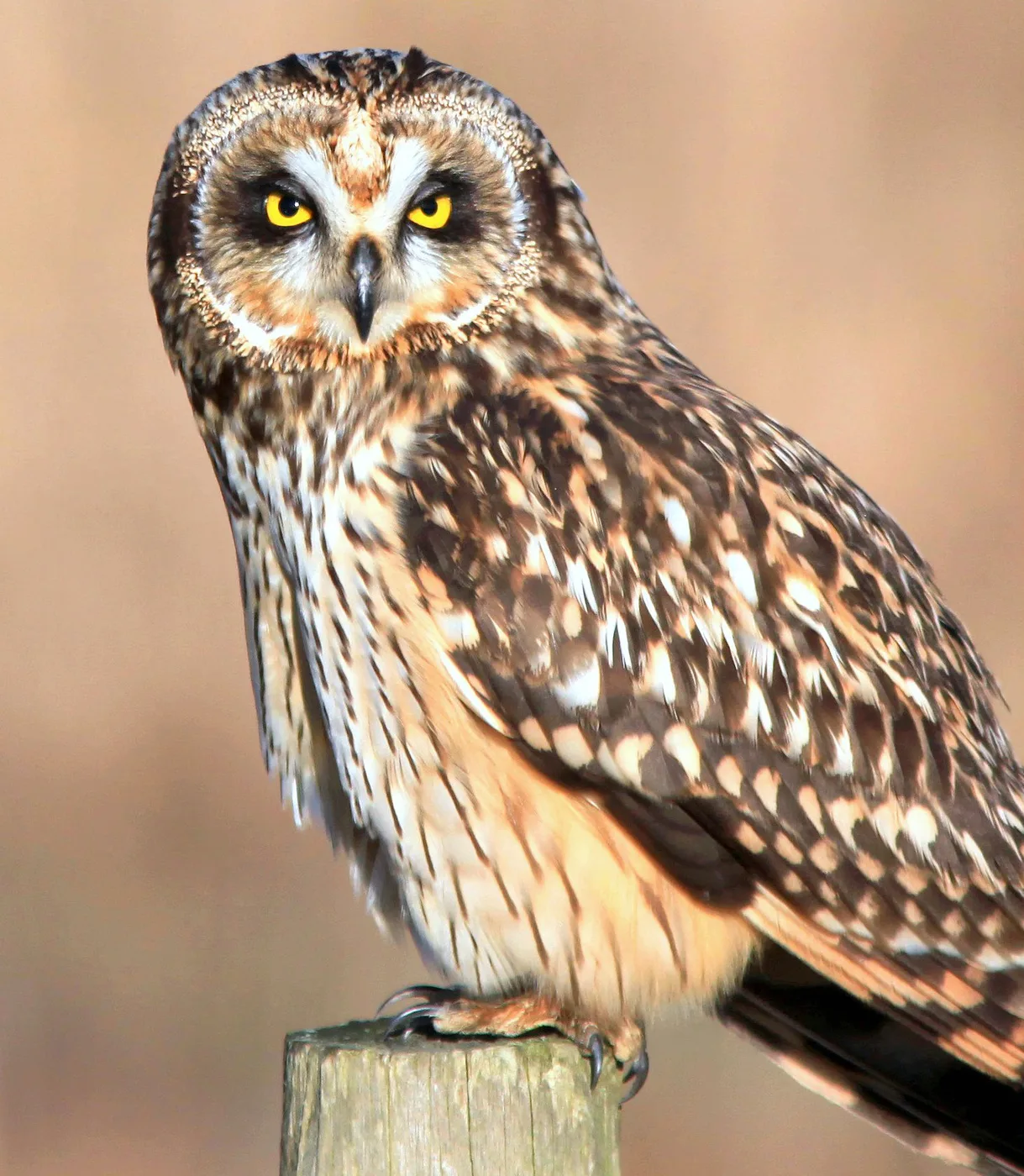
There are four possible candidates: the Short-eared Owl Asio flammeus, the Long-eared Owl Asio otus, the Barn Owl Tyto alba (also called the screech owl or the white owl), and the Tawny Owl Strix aluco (also called the wood owl). It is not likely that the Israelites would have been familiar with the long-eared owl, which is a silent passing migrant that keeps to forested areas. If they were aware of its existence, they would not have been aware of the difference between the long-eared and the more common short-eared owls; even modern day bird watchers equipped with flashlights and binoculars have a hard time differentiating them. It is likely that if the Israelites had a name for these owls it was one name, not two. This reduces the possible interpretations of tachmas to three, and of these the short-eared owl is the most likely.
Description
The short-eared owl, like many other owls of the Asio family, is a medium-sized brown owl with a paler face and ear tufts that are not very prominent. It makes a strange sound like an animal or a person snoring. It lives in grassland and semi desert regions.
Special significance or symbolism
It is listed as an unclean bird.
Translation
Short-eared owls are found all over the Mediterranean area, while similar eared owls, such as the African Marsh Owl Asio capensis, are found all through Africa. In these areas it may not be difficult to find a very close equivalent. Elsewhere the name of a medium-sized local owl can be used, or a phrase meaning eared owl can be used.
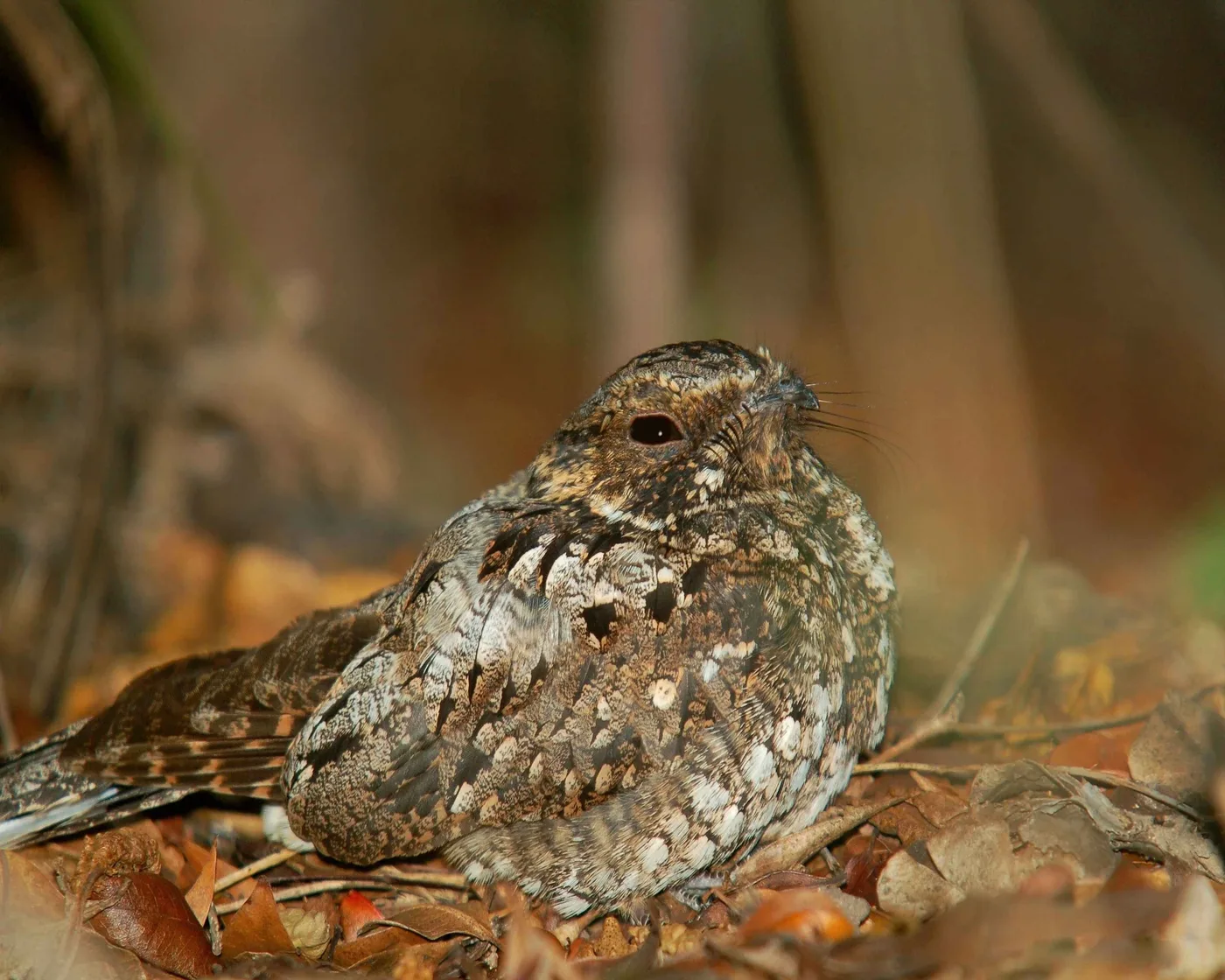
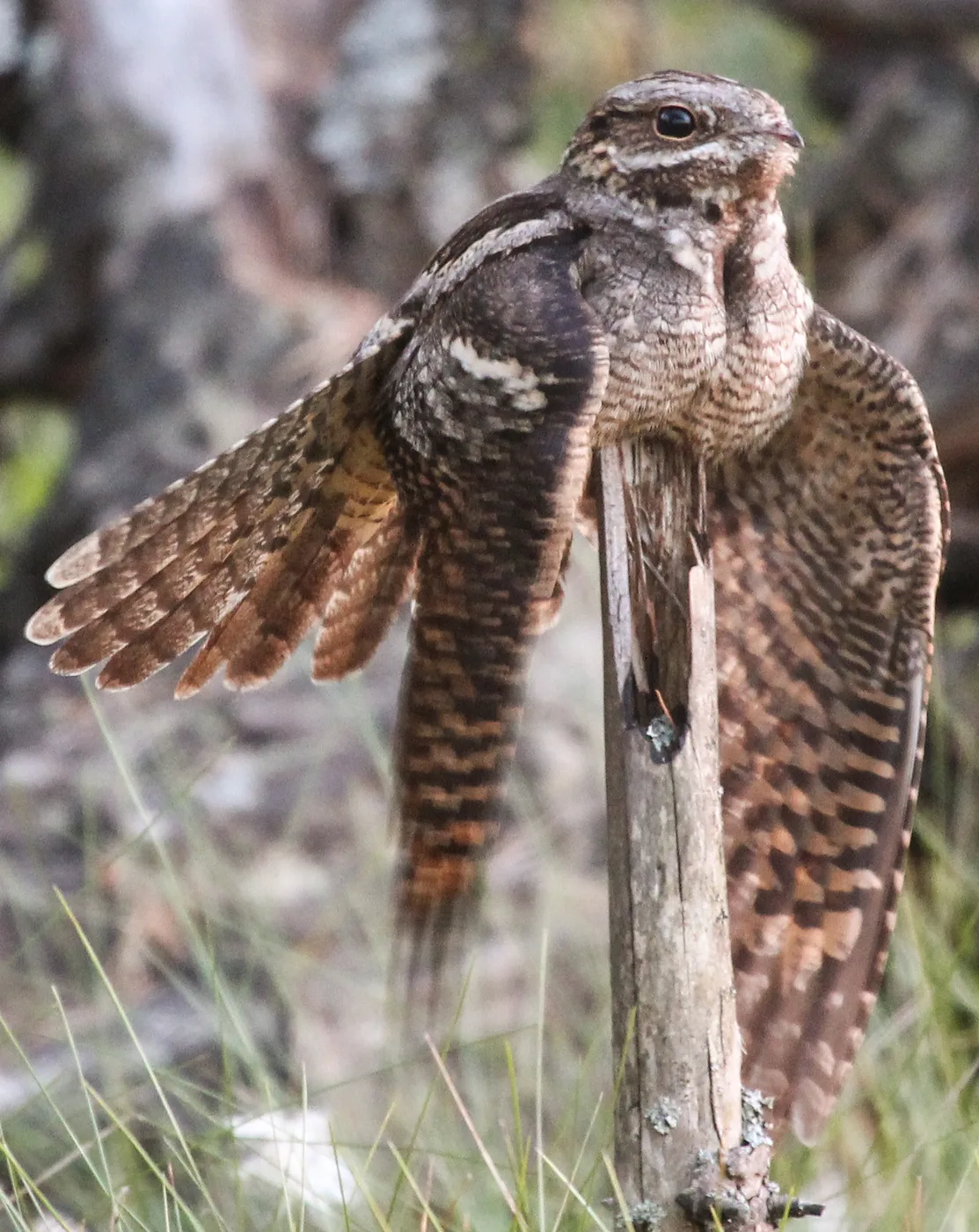
The European nightjar is found all over Europe and Africa. Many other types of nightjar are found in Africa, Asia, and Australasia, and if it is decided to interpret tachmas as “nightjar", the word for a local member of this species can usually be found.