Description
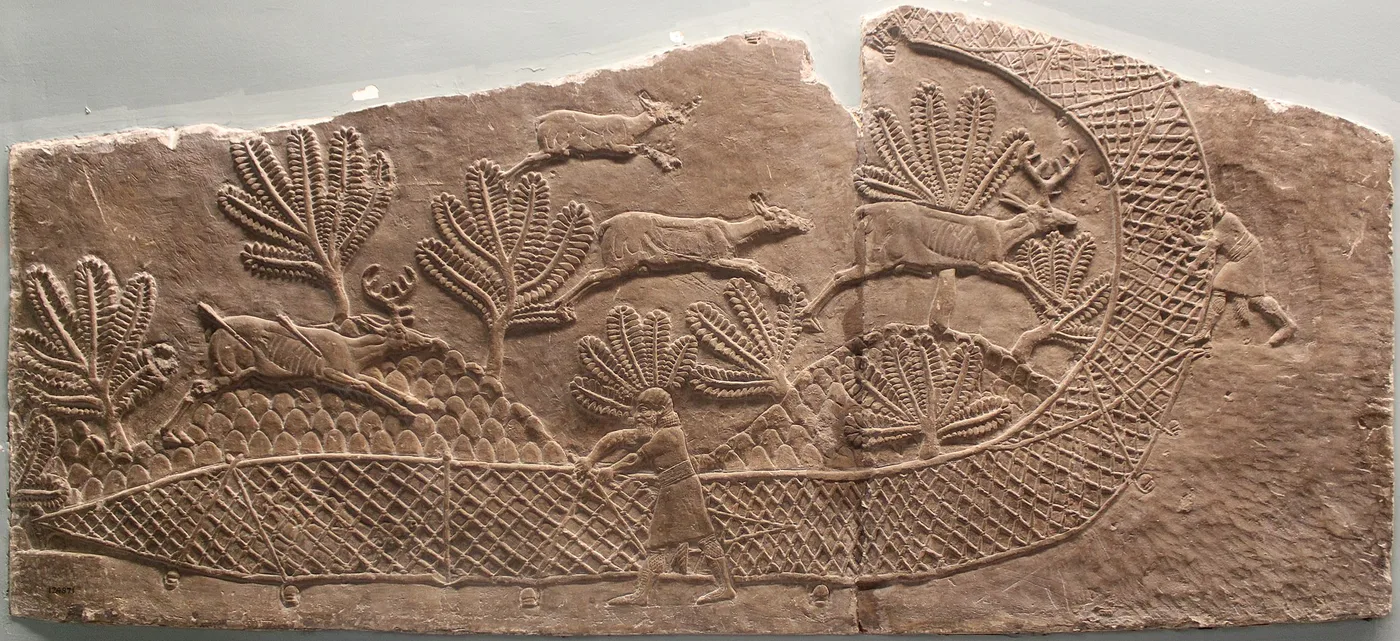
The net was a mesh or very loose fabric made of string.
Usage
The net was a hunting tool. It was put in places where a bird or animal might fly or run into it and become entangled. Nets could also be used actively in hunting, that is, the hunter stalked the prey, and when he got close enough, he threw the net over his quarry.
Translation
Since snares or traps for capturing birds or animals are almost universal, there should be no difficulty involved in obtaining an appropriate term. In many contexts, however, it cannot be certain if the net spoken of is for hunting animals or for hunting birds. In languages where no distinction is required, a generic term for “net” may be used. Where a distinction must be made, the context should be checked carefully. The following breakdown indicates which passages refer to nets for animals (including human beings), which ones refer to nets for birds, and which ones are unclear:
Animals: PSA 9:16; PSA 35:7; PSA 35:8; PRO 29:5; ISA 51:20; LAM 1:13; EZK 12:13; EZK 17:20; EZK 19:8; 1TI 3:7; [SIR 9:13; SIR 27:20, SIR 27:26, SIR 27:29; 1MA 1:35; 1MA 5:4 ]
Unclear: JOB 18:8; PSA 10:9; PSA 25:15; PSA 31:5; PSA 57:7; PSA 140:6; ECC 7:26; HOS 5:1; LUK 21:35; ROM 11:9; 1TI 6:9; 2TI 2:26; [TOB 14:10; WIS 14:11; SIR 9:3; SIR 51:2 ]
In LUK 21:35 it is not so much the physical object that is in focus but rather the unexpected nature of the event; however, the object is usually retained in translation.
In cases where the text is speaking figuratively, it may be possible to avoid using the figure of a net, especially where such a reference would be misleading; for example, in MIC 7:2 d NCV says “everyone is trying to trap someone else.”