Description
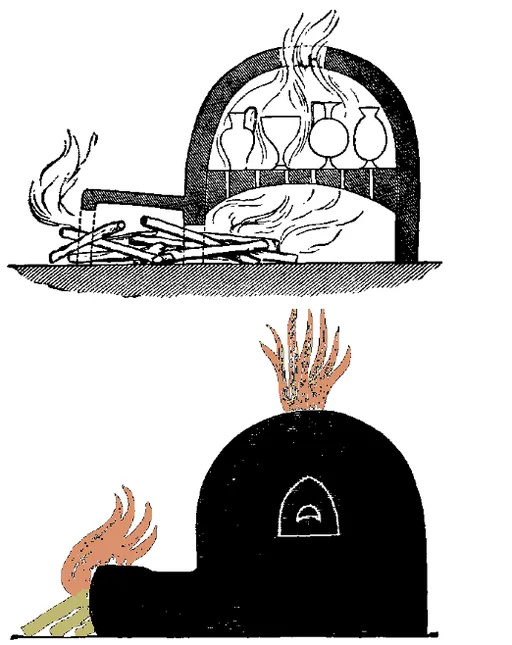
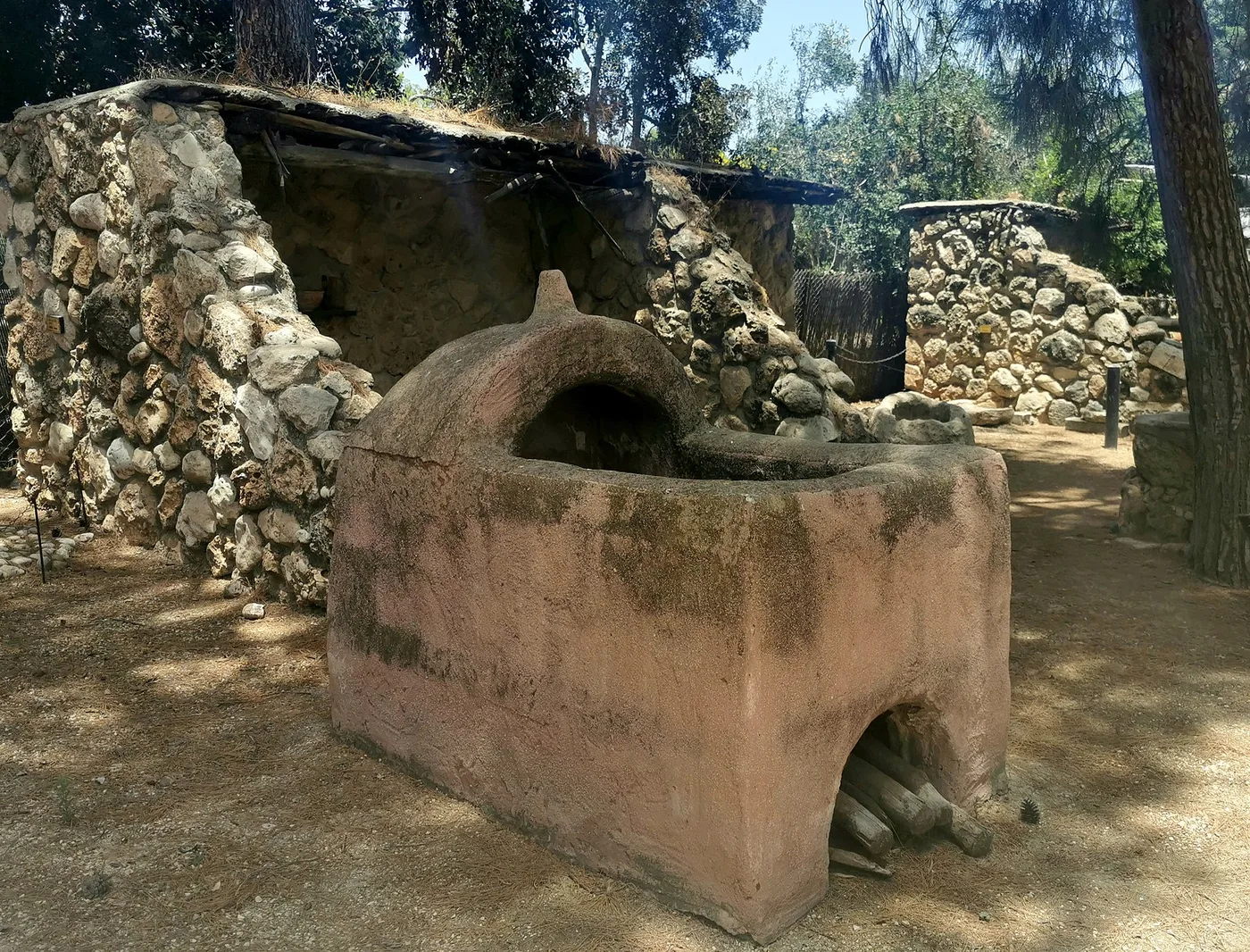
The kiln was a furnace used for the smelting of ore or the firing of ceramic ware. Such furnaces were made of hardened clay or of brick. They could vary considerably in size and shape. See also Oven.
Usage
Translation
When translating the word “furnace,” the emphasis should be upon the extreme heat, rather than upon the particular type of construction. However, if a particular word for “furnace” is chosen, it should be remembered that this furnace or oven was not made of metal but of brick or hardened clay.
The Hebrew word kur is always used in metaphorical or symbolic language describing human sufferings. It will often be possible to portray the meaning of the metaphor without reference to the physical object; for example, CEV renders DEU 4:20 as “But you are the LORD’s people, because he led you through fiery trials and rescued you from Egypt.”
PSA 12:7: The Hebrew word ‘alil occurs only here in the Old Testament, and its meaning is uncertain. It seems best to translate the obscure clause at the end of this verse in a general sense; for example, GNT has “they are as genuine as silver refined seven times in the furnace,” and NIV says “like silver refined in a furnace of clay, purified seven times.” “Seven times” means “many times,” that is, as many times as needed to get rid of all the impurities.
PRO 17:3; PRO 27:21: Two instruments for heating and refining metals are mentioned in these verses: the matsref and the kur. If separate words exist in a language for these two instruments (for example, “crucible” and “furnace”), these may be used. Many translations combine the two words; for example, in PRO 17:3 a GNT says “Gold and silver are tested by fire,” and NCV has “A hot furnace tests silver and gold.”
DAN 3:0: The furnace described here probably had an opening at the top and another at ground level. It was clearly large enough for men to stand and even walk around in. The word for “furnace” here should also be used in DAG 3:23–DAG 3:28 and DAG 3:66.
In MAT 13:42; MAT 13:50 the Greek word kaminos is used figuratively of hell. Alternative renderings for the literal phrase “the furnace of fire” are “the fires of hell” and “hell, which is like a great fire.” Another possibility is simply “the great fire.” Similarly, the Latin word clibanus is used metaphorically in 2ES 7:36 for the heat of hell.
The difference between this entry and Oven is primarily one of size rather than of basic design. Ovens, of course, could be put to many uses. Where a language does not have a variety of words, such as “oven,” “furnace” and “kiln” in English, a single word will normally suffice. In that case, it will sometimes be necessary to indicate the relative size of the oven according to the context. An oven in which bread was baked may be rendered “small oven,” while the one into which several people were thrown will be a “very large oven.”
The fuel burned in ancient ovens was wood, the leftover flesh of pressed olives, or dried animal dung. Translators should avoid a word for “oven” that indicates a device that runs on electricity or uses a refined fuel like oil or kerosene.