A large tree from Southeast Asia known for its fragrant wood, often used for making perfumes.
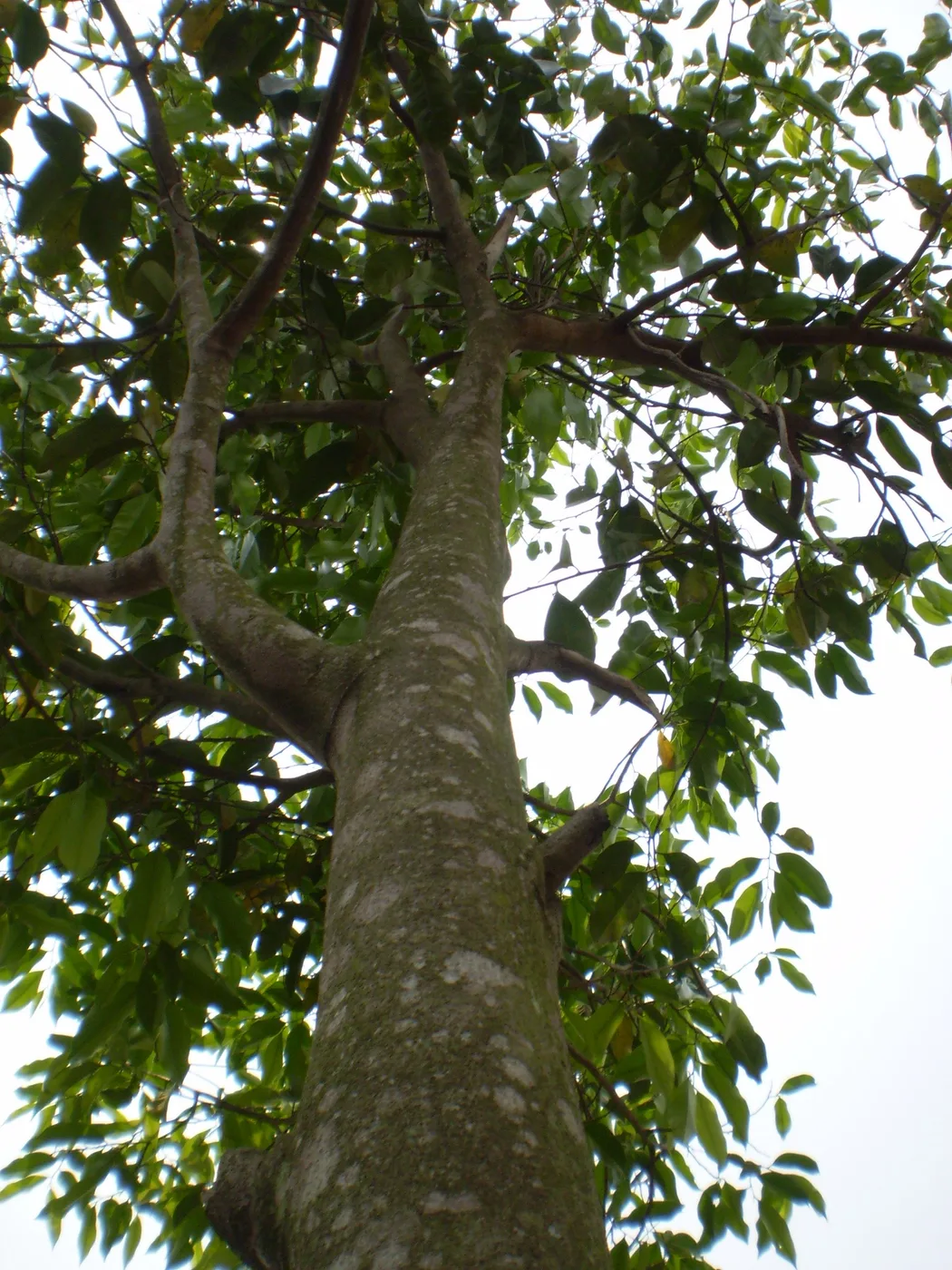
About Agarwood
Zohary confidently identifies the Hebrew word ’ahaloth in PSA 45:9 (8) as referring to the Agarwood or Eaglewood Aquillaria agallocha, which is a tree native to northern India. (He also says it is native to East Africa, but this seems to be a mistake). The ancient Greek writer Dioscorides calls the eaglewood agallochon, a wood found in India and Arabia. This view is supported by Anderson and the commentators Snaith and Budd. Hepper, who is generally suspicious of claims about trade with the Far East in this period of history, doubts this identification but goes along with it for lack of an alternative. The chips of the wood are sold in India under the name agar (Hepper, page 140) and burned as incense. Expeditions like those of King Solomon (1KI 9:26–1KI 9:28) may have brought this precious commodity from India by way of mysterious places like Tema (JOB 6:19) or Dedan (ISA 21:13), possibly in the Arabian Peninsula.
Key References
They spread out like palm groves, like gardens beside a stream, like aloes the LORD has planted, like cedars beside the waters.
The daughters of kings are among your honored women; the queen stands at your right hand, adorned with the gold of Ophir.
I have perfumed my bed with myrrh, with aloes, and with cinnamon.
All Scripture References (4)
Numbers (1)
They spread out like palm groves, like gardens beside a stream, like aloes the LORD has planted, like cedars beside the waters.
Psalms (1)
The daughters of kings are among your honored women; the queen stands at your right hand, adorned with the gold of Ophir.
Proverbs (1)
I have perfumed my bed with myrrh, with aloes, and with cinnamon.
Song of Solomon (1)
with nard and saffron, with calamus and cinnamon, with every kind of frankincense tree, with myrrh and aloes, with all the finest spices.