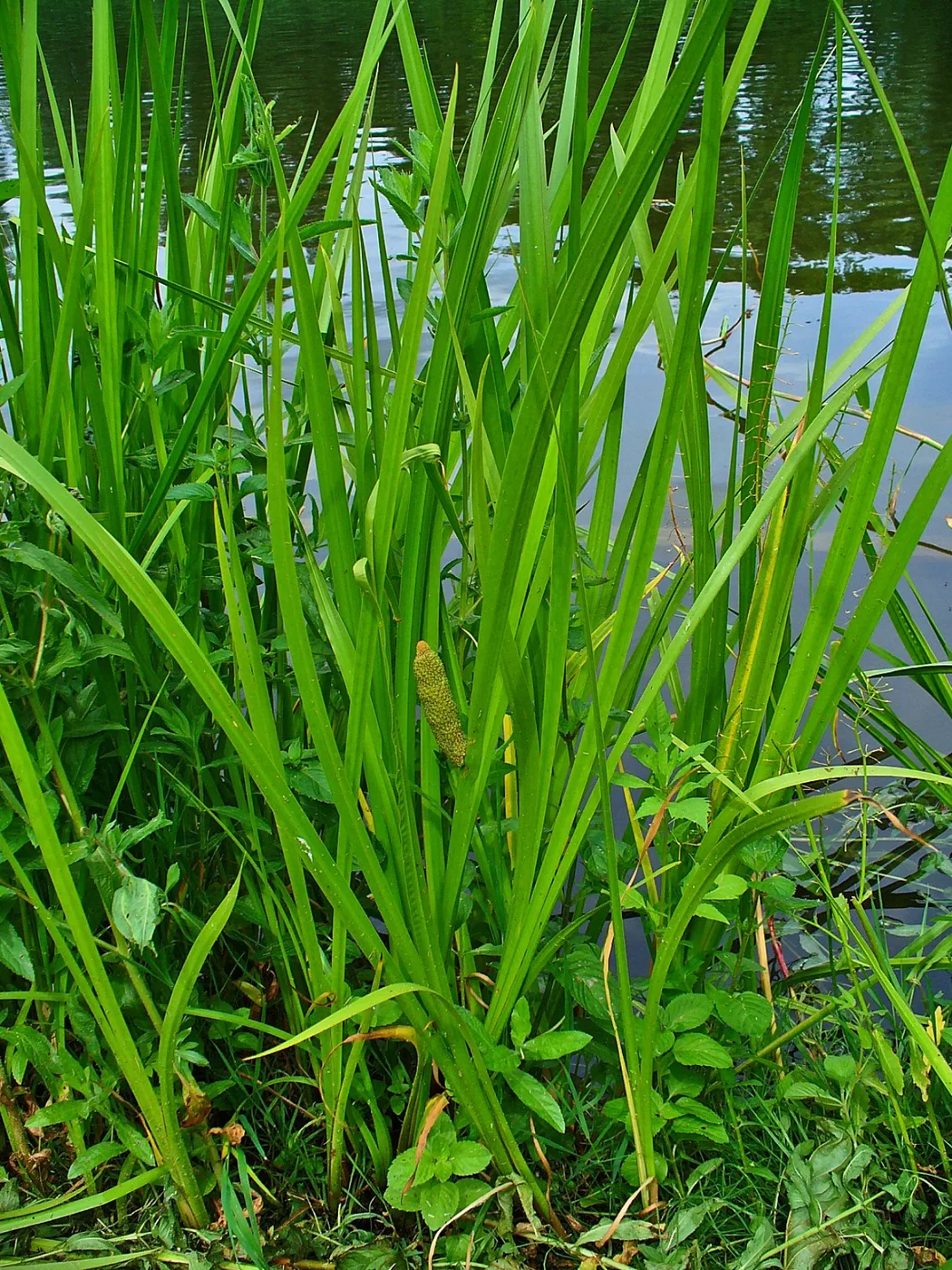
A reed with stiff, fragrant leaves and scented tubers used in medicine and for making fragrances.
About Calamus
A sweet-smelling cane plant (Exodus 30:23; Ezekiel 27:19). Calamus refers to either a plant or its aromatic root. It was one of the plants that grew in Solomon's garden (Song of Solomon 4:14).
Two plants have been suggested as the source of biblical calamus:
Key References
with nard and saffron, with calamus and cinnamon, with every kind of frankincense tree, with myrrh and aloes, with all the finest spices.
You have not bought Me sweet cane with your silver, nor satisfied Me with the fat of your sacrifices. But you have burdened Me with your sins; you have wearied Me with your iniquities.
and casks of wine from Izal for your wares. Wrought iron, cassia, and sweet cane were exchanged for your merchandise.
All Scripture References (5)
Exodus (1)
“Take the finest spices: 500 shekels of liquid myrrh, half that amount (250 shekels) of fragrant cinnamon, 250 shekels of fragrant cane,
Song of Solomon (1)
with nard and saffron, with calamus and cinnamon, with every kind of frankincense tree, with myrrh and aloes, with all the finest spices.
Isaiah (1)
You have not bought Me sweet cane with your silver, nor satisfied Me with the fat of your sacrifices. But you have burdened Me with your sins; you have wearied Me with your iniquities.
Jeremiah (1)
What use to Me is frankincense from Sheba or sweet cane from a distant land? Your burnt offerings are not acceptable; your sacrifices do not please Me.”
Ezekiel (1)
and casks of wine from Izal for your wares. Wrought iron, cassia, and sweet cane were exchanged for your merchandise.