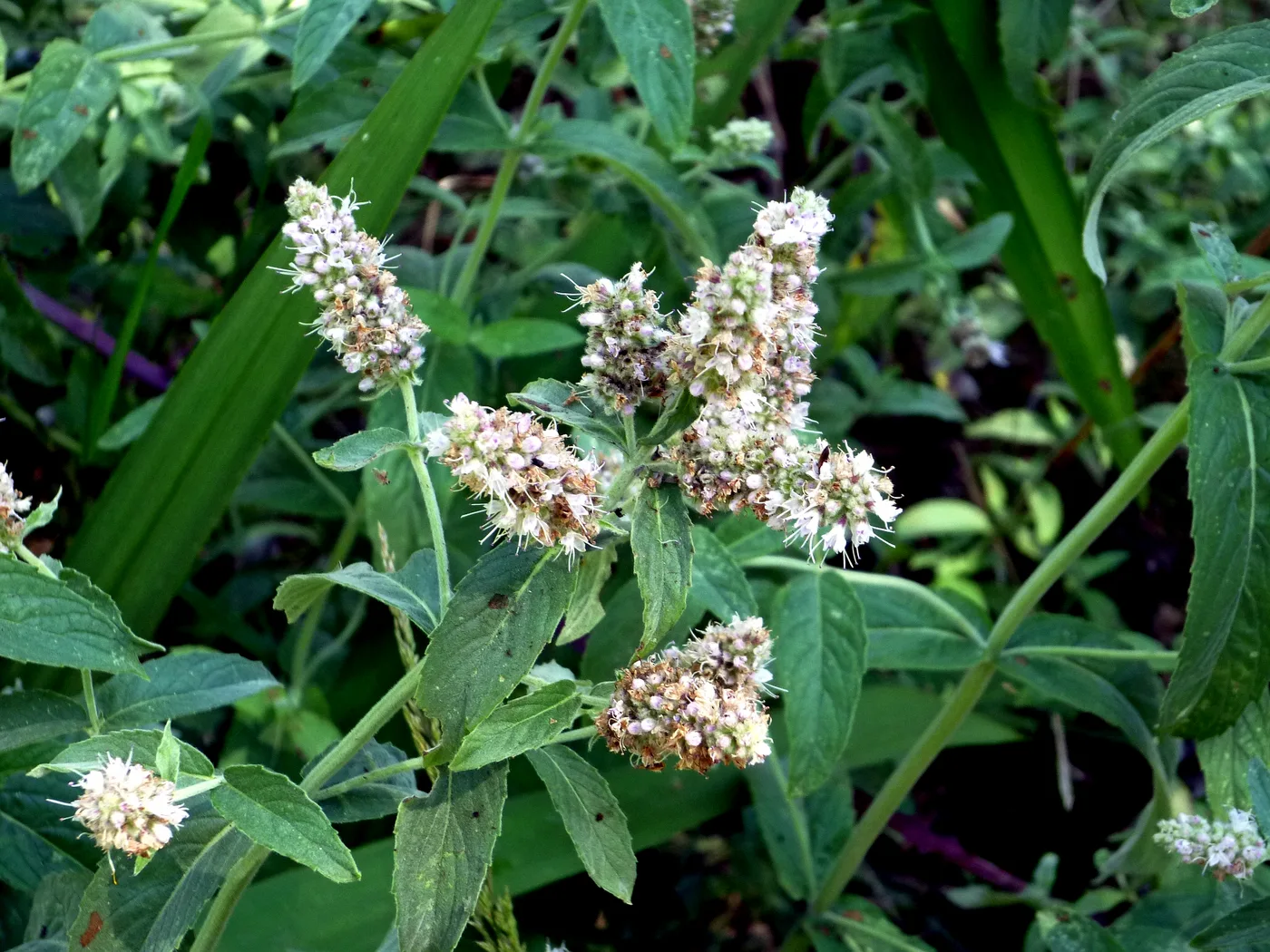
A fragrant plant with soft, small leaves that have sawlike edges and is used in cooking, tea, and medicine.
About Mint
Mint refers to various plants with fragrant leaves that people use for flavoring food. Many types of mint grow in Israel and the surrounding areas, but the horse mint (Mentha longifolia) is likely the one mentioned in Matthew 23:23 and Luke 11:42.
The ancient Hebrews, Greeks, and Romans used mints for several purposes. They added it as flavoring to foods, used it in medicine to relieve gas and stomach discomfort, and included it as a seasoning in cooking.
Key References
Woe to you, scribes and Pharisees, you hypocrites! You pay tithes of mint, dill, and cumin. But you have disregarded the weightier matters of the law: justice, mercy, and faithfulness. You should have practiced the latter, without neglecting the former.
Woe to you Pharisees! For you pay tithes of mint, rue, and every herb, but you disregard justice and the love of God. You should have practiced the latter without neglecting the former.
All Scripture References (2)
Matthew (1)
Woe to you, scribes and Pharisees, you hypocrites! You pay tithes of mint, dill, and cumin. But you have disregarded the weightier matters of the law: justice, mercy, and faithfulness. You should have practiced the latter, without neglecting the former.
Luke (1)
Woe to you Pharisees! For you pay tithes of mint, rue, and every herb, but you disregard justice and the love of God. You should have practiced the latter without neglecting the former.