Discussion
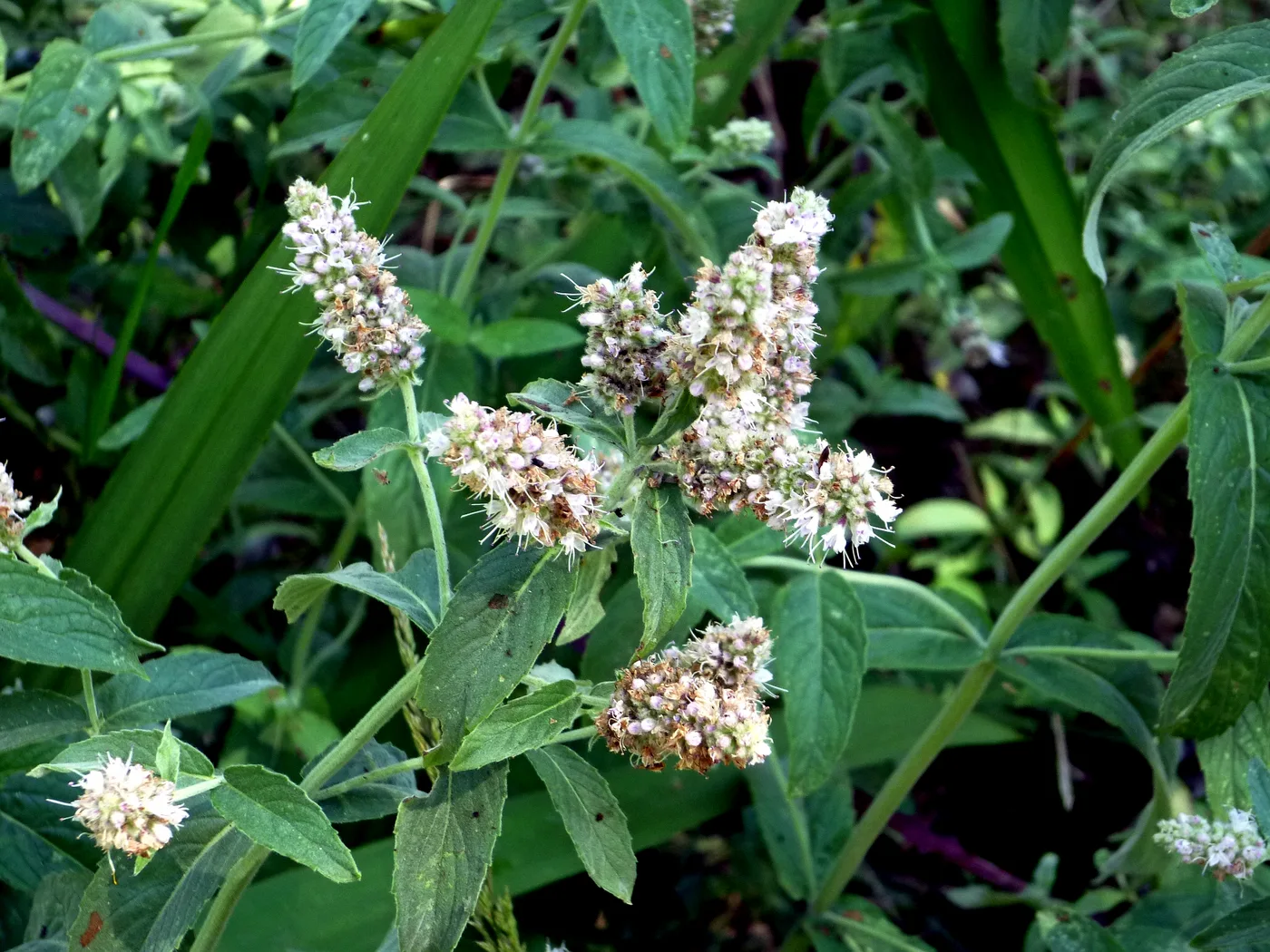
The Horse Mint Mentha longifolia is the most common of the mint plants in the Holy Land, found on the banks of streams throughout the country. The Jews called it dandanah, a Hebrew word that does not occur in the Old Testament. They served its leaves along with milk and cucumbers, made a hot drink by boiling them, or used them, as the Romans and Greeks also did, in medicine and cooking. According to Moldenke, people scattered mint leaves on the floors of synagogues, and the fragrance was released as people entered and stepped on them.
Description
The horse mint is larger than the other kinds of mint, reaching up to 2 meters (7 feet). It has small, soft leaves with sawlike margins, and lavender-colored flowers.
Special significance
Translation
At least twenty-five kinds of mint are found in temperate areas of the world. It is well known in West Africa as an additive to tea. Depending on what translators do with the other species mentioned in MAT 23:23 and LUK 11:42 (dill, cumin, and rue), if they do not have these species locally, they may transliterate “mint” from a major language (for example, French menthe; Spanish menta; Portuguese hortelã, hisopo, ervadeSãoLourenco; Swahili mnaanaa). In simplified versions they may cover all these species with a generic phrase such as “all kinds of little plants in the garden.”