A vine-growing fruit with round leaves, yellow flowers, and it becomes yellowish or light green when ripe.
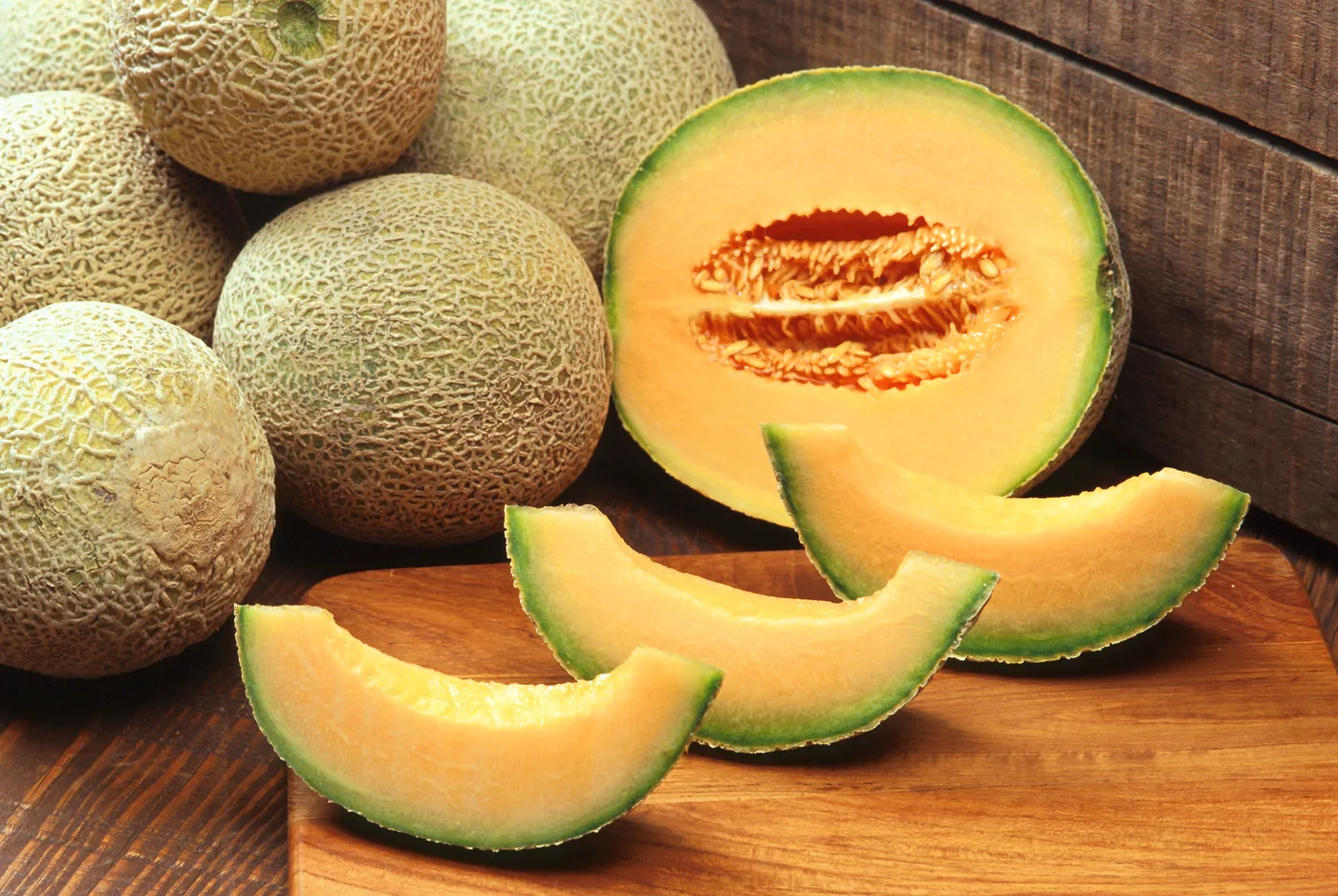
About Muskmelon
RSV renders the Hebrew words qishshu’ah and miqshah as “cucumber.” Against Moldenke and others, Zohary argues forcefully that these words refer to the Muskmelon Cucumis melo, and that “garden cucumbers did not exist in Egypt in biblical times” (page 86). Hepper concurs with this, as does The Interpreter’s Dictionary of the Bible. Confusingly, one narrow and curved type of muskmelon is called the “snake cucumber.”
Key References
We remember the fish we ate freely in Egypt, along with the cucumbers, melons, leeks, onions, and garlic.
And the Daughter of Zion is abandoned like a shelter in a vineyard, like a shack in a cucumber field, like a city besieged.
Like scarecrows in a cucumber patch, their idols cannot speak. They must be carried because they cannot walk. Do not fear them, for they can do no harm, and neither can they do any good.”
All Scripture References (4)
Numbers (1)
We remember the fish we ate freely in Egypt, along with the cucumbers, melons, leeks, onions, and garlic.
Isaiah (1)
And the Daughter of Zion is abandoned like a shelter in a vineyard, like a shack in a cucumber field, like a city besieged.
Jeremiah (1)
Like scarecrows in a cucumber patch, their idols cannot speak. They must be carried because they cannot walk. Do not fear them, for they can do no harm, and neither can they do any good.”
Mark (1)
they will pick up snakes with their hands, and if they drink any deadly poison, it will not harm them; they will lay their hands on the sick, and they will be made well.”