Discussion
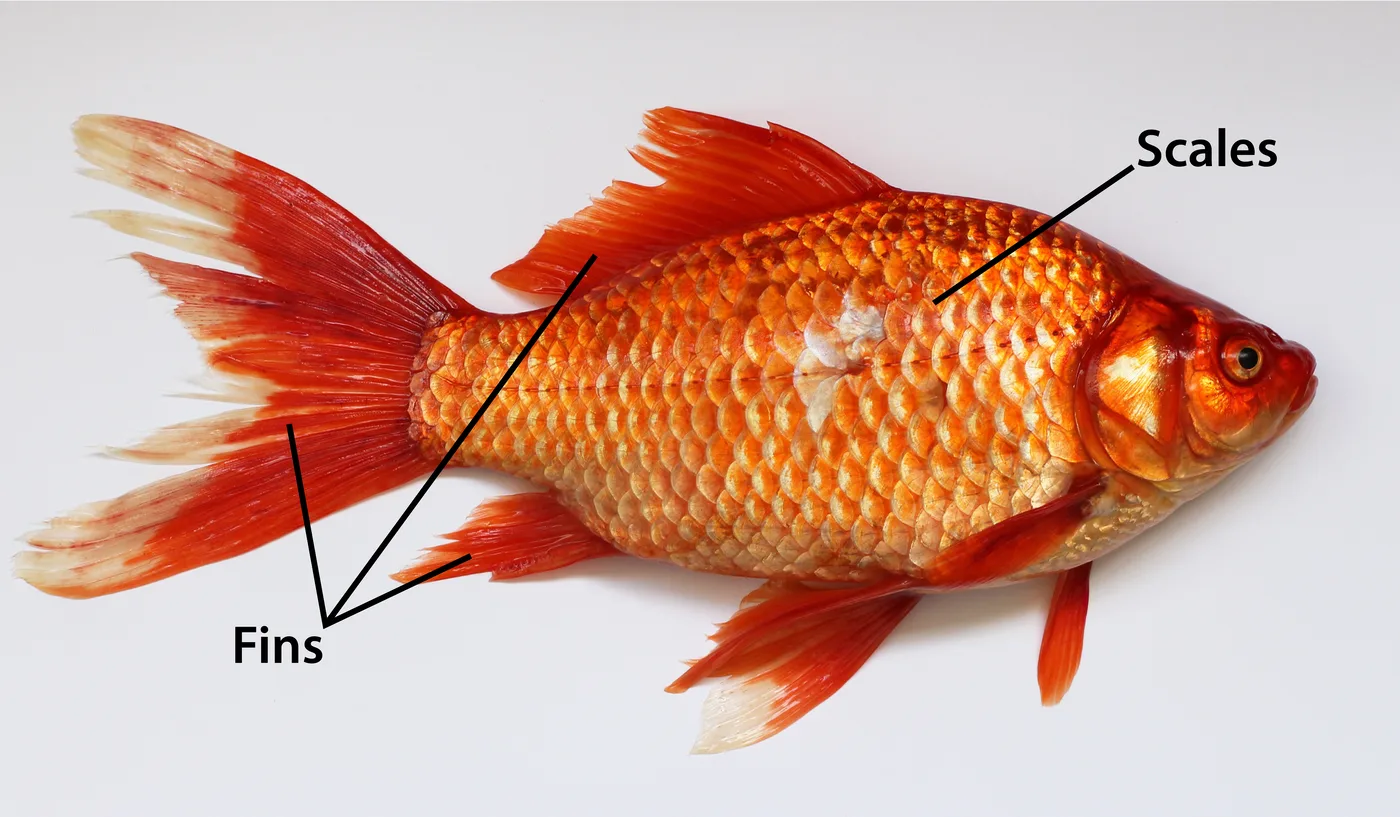
Fish that had both fins and scales were acceptable food for the people of Israel.
However, there is ample reference to the fact that after the Exodus from Egypt the people of Israel did eat fish, and different types of fishnets, fishing spears, and hooks are also referred to. Archeological finds indicate that the Egyptians, Babylonians, and Assyrians bred fish in ponds, and it is possible that the Israelites did the same. Most of the commercial fishing was done by the Philistines and other Phoenician peoples. One of the Philistine goddesses, Atargatis, whose cult began in Syria, was a fish-goddess.
Fishing in Lake Galilee does not seem to have been a Jewish activity until the Maccabean period. Until this period it seems that the Jews fished in rivers and streams and perhaps kept fish in ponds, but they bought dried fish from coastal peoples.
The Hebrew words dag and dagah are general terms and do not refer to any particular species. Marine fish found in the eastern Mediterranean Sea are not abundant, due to the fact that the sea in this region is poor in nutrients. The only fish likely to be caught in any numbers in nets in this region are sardines and mullet. There are tropical reef fish in those few inshore places where the reefs are shallow, and some line fishing may have been done for these species.
The Greek word ichthus and the Latin piscis are likewise general words for fish. However, ichthudion (literally “little fish") is probably a reference to the Lake or Holy Land Sardine (sometimes called Bleak) Mirogrex terrae sanctae, which is abundant in Lake Galilee and has been fished for centuries. This is a small freshwater sardine similar to the kapenta found in the great lakes of Africa. Tilapia are also abundant in Lake Galilee.
The word enalion includes fish in its meaning but refers to all sea creatures, including crustaceans and dolphins. The word opsarion refers to cooked fish or fish about to be cooked and eaten. In the context of JHN 21:5 prosfagion refers to fish for breakfast. The word nēktos literally means “swimmer” and may include other water creatures, such as frogs.
Translation
In most contexts a general word for fish can be used. In JOB 41:7 the Hebrew text has “fish spears". These were simple sharpened reeds in contrast to metal-headed war spears.
In the case of ichthudion one may use a word for a locally known freshwater sardine or a phrase meaning “small fish". For opsarion “cooked fish” can be used. For prosfagion, which occurs in the question “Have you caught any fish?” the usual word used in such a common question should be used.
The Greek word enalion is best translated as “sea creatures” or “things that live in the sea."
Kētos is not the usual word for fish, and most commentators suggest that it means a sea monster or a monster fish. It is best translated as “monster fish", “sea monster", or “huge fish".
Note: The fish became a Christian symbol in the second century A.D. It was based on the Greek Iēsous CHristos THeou ‘Uios Sōtēr, “Jesus Christ, Son of God, Savior.” The first letters of the Greek words spell ICHTHUS, the Greek word for fish.