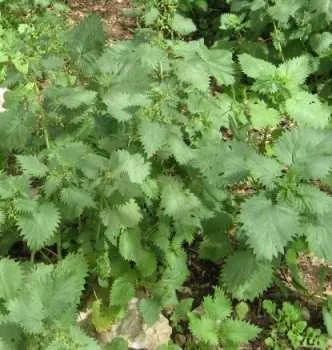
Discussion
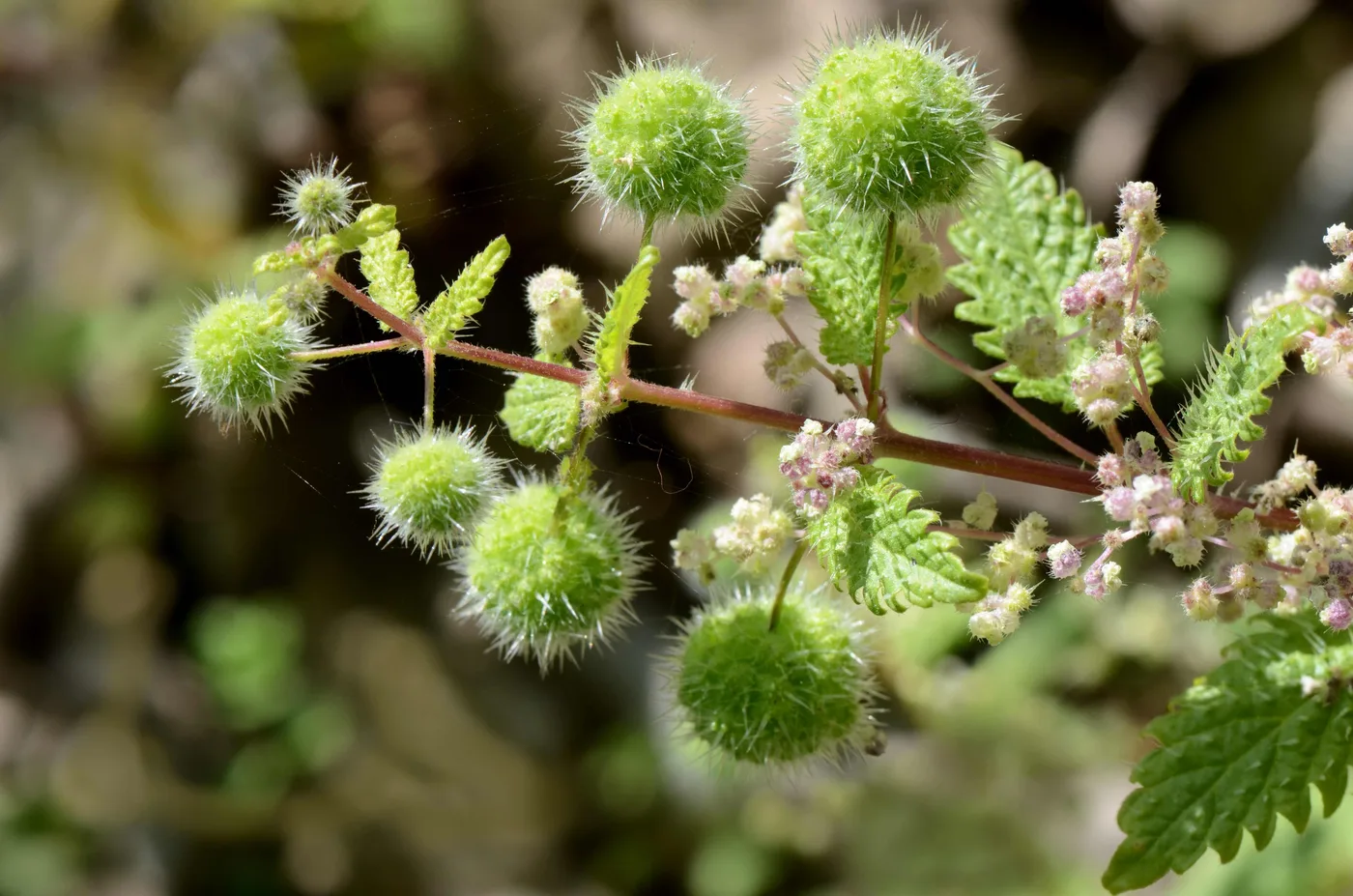
Special significance
All the references cited above are in rhetorical contexts where the quality of thorniness or pain is in focus. Nettles were and are a nuisance on many farms. They tend to sprout in abandoned settlements, and they are often cited with jackals and owls to illustrate the desolation of a nation by their enemies. Today the tops of the growing nettles are used for food in many places. Extracts from nettles are used to treat arthritis and hay fever and as an ingredient of shampoos to control dandruff.
Translation
Nettles are found in the Far East, Asia, and Europe, as well as in North America. Translators in those areas may have a special word for them, or they may have a general word for thorns that covers anything with prickles, spikes, needles, or barbs. If transliterations are needed in footnotes, some possibilities are French orties; Portuguese urtiga; Spanish ortiga; and Arabic angura, nabat, akub.