Discussion
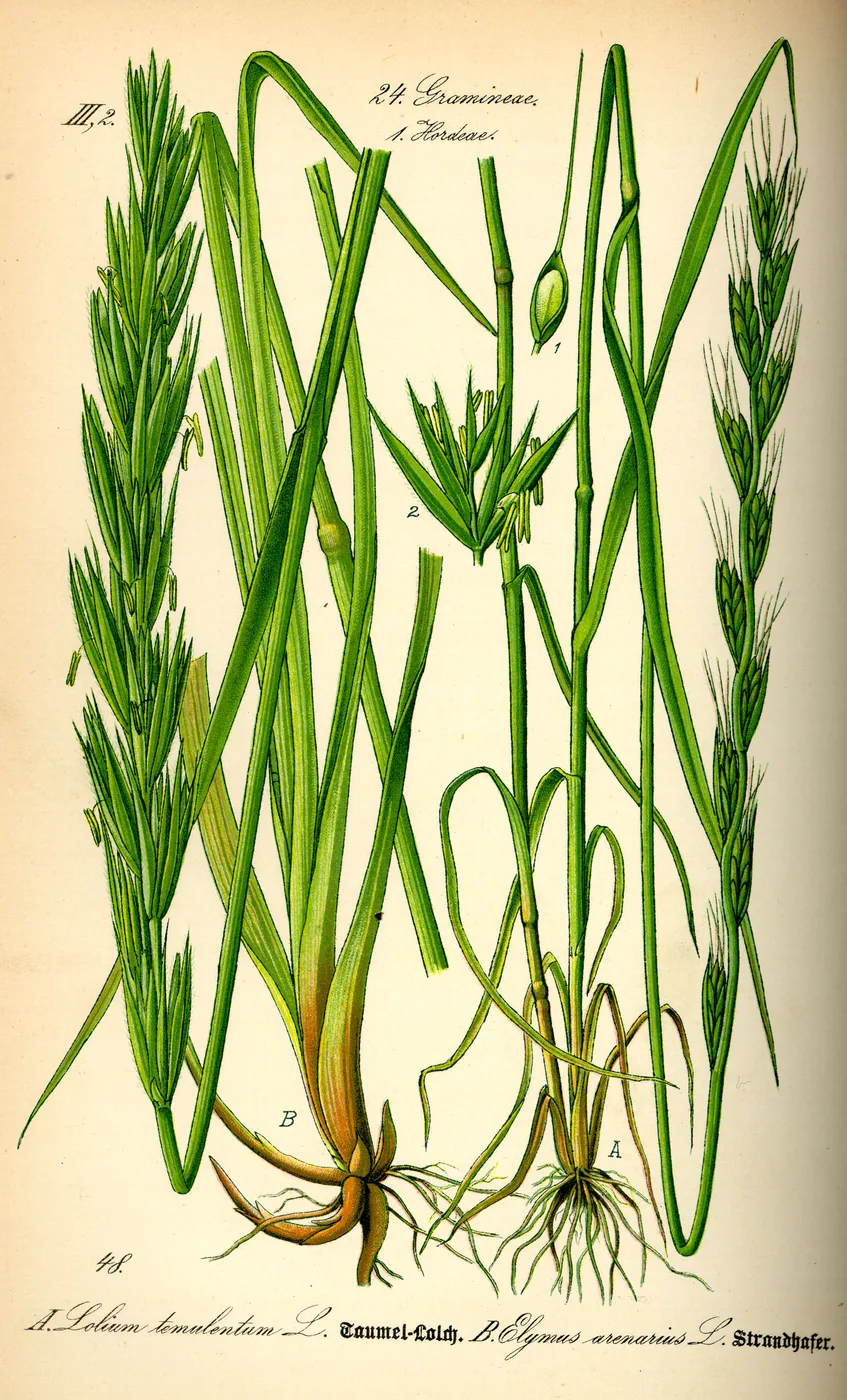
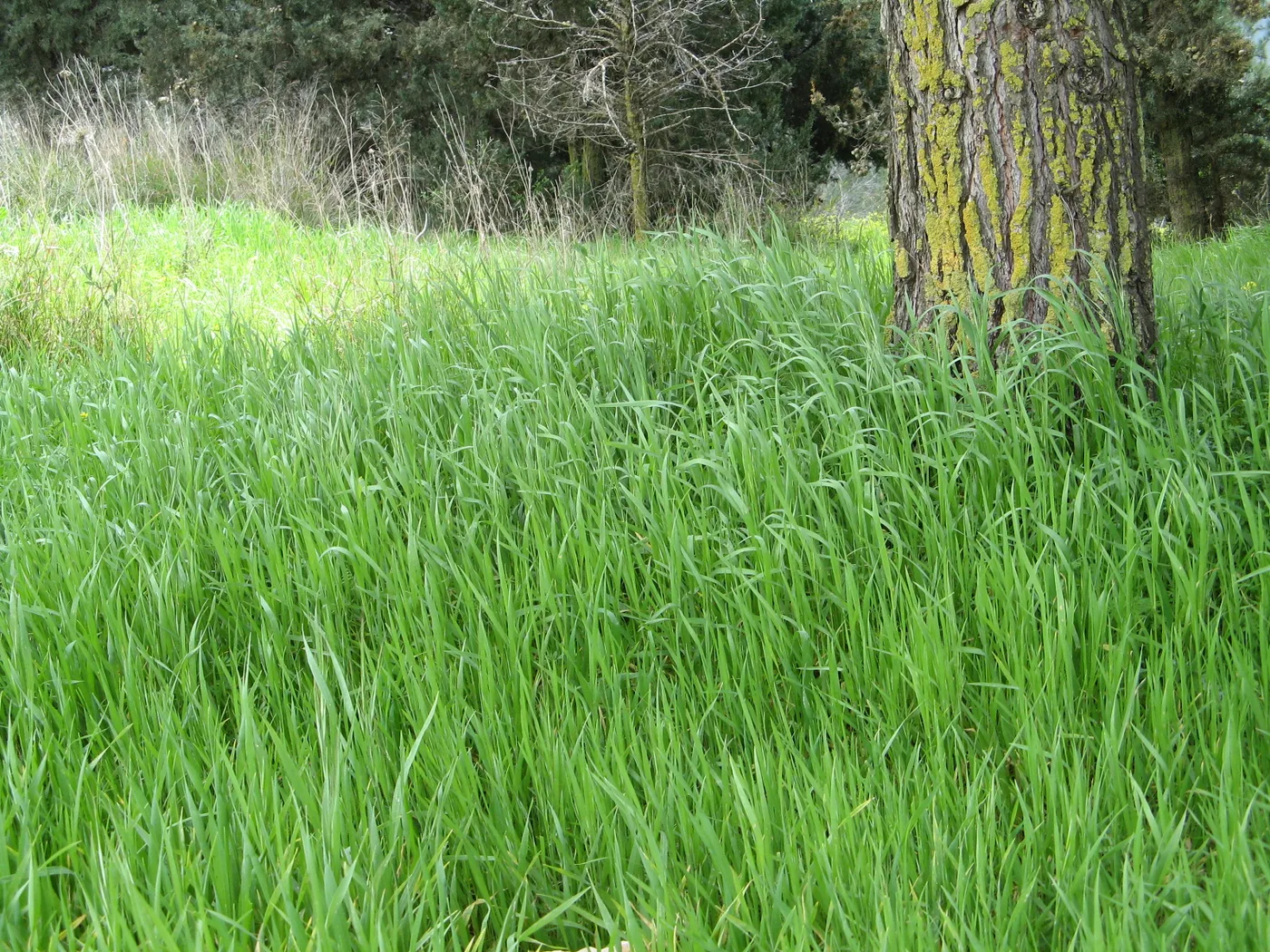
MAT 13:25 speaks of enemies sowing weeds (or tares) in with the wheat seed. Although the land of the Bible does not lack noxious weeds in the fields, the best candidate for the Greek word zizanion is Darnel Grass Lolium temulentum. Evidence from Egyptian tombs and from excavations at Lachish tells us that darnel grass has been a pest for at least three millennia. It looks so much like emmer wheat that it is very difficult to distinguish the two.
The Hebrew noun ba’ashah occurs only in JOB 31:40, but its verbal form occurs many times in the Old Testament with the meaning “to stink” like that of a rotting sore or a corpse. This noun does not actually refer to a plant; it literally means “stinking thing.” However, in JOB 31:40 it is parallel with the Hebrew word choach (“thistle”; see Thistles), so it has the sense of “stinking/unpleasant weed” in this context. One lexicon takes it to refer to a particular plant called “stinkweed,” but it has a more generic sense here, referring to any stinking weeds.
Description
Special significance
In the Bible darnel grass is only cited as a noxious plant. However, the Assyrians used it for medicine.
Translation
Translators in agricultural areas will have no difficulty understanding the biblical farmer’s frustration with nasty weeds. Darnel grass is so well known that it generates a lot of names (for example, French herbe a couteau, herbe d’ivrogue, ivraie; Spanish barrachuela, cizaña, cominillo, joyo, trigollo; Portuguese joio). Translators who are out of touch with the rural, agricultural scene need to consult farmers for possible names. A cultural equivalent to the “false wheat” of the Bible may exist. Otherwise a phrase such as “false wheat” could be used in the parable of the weeds.