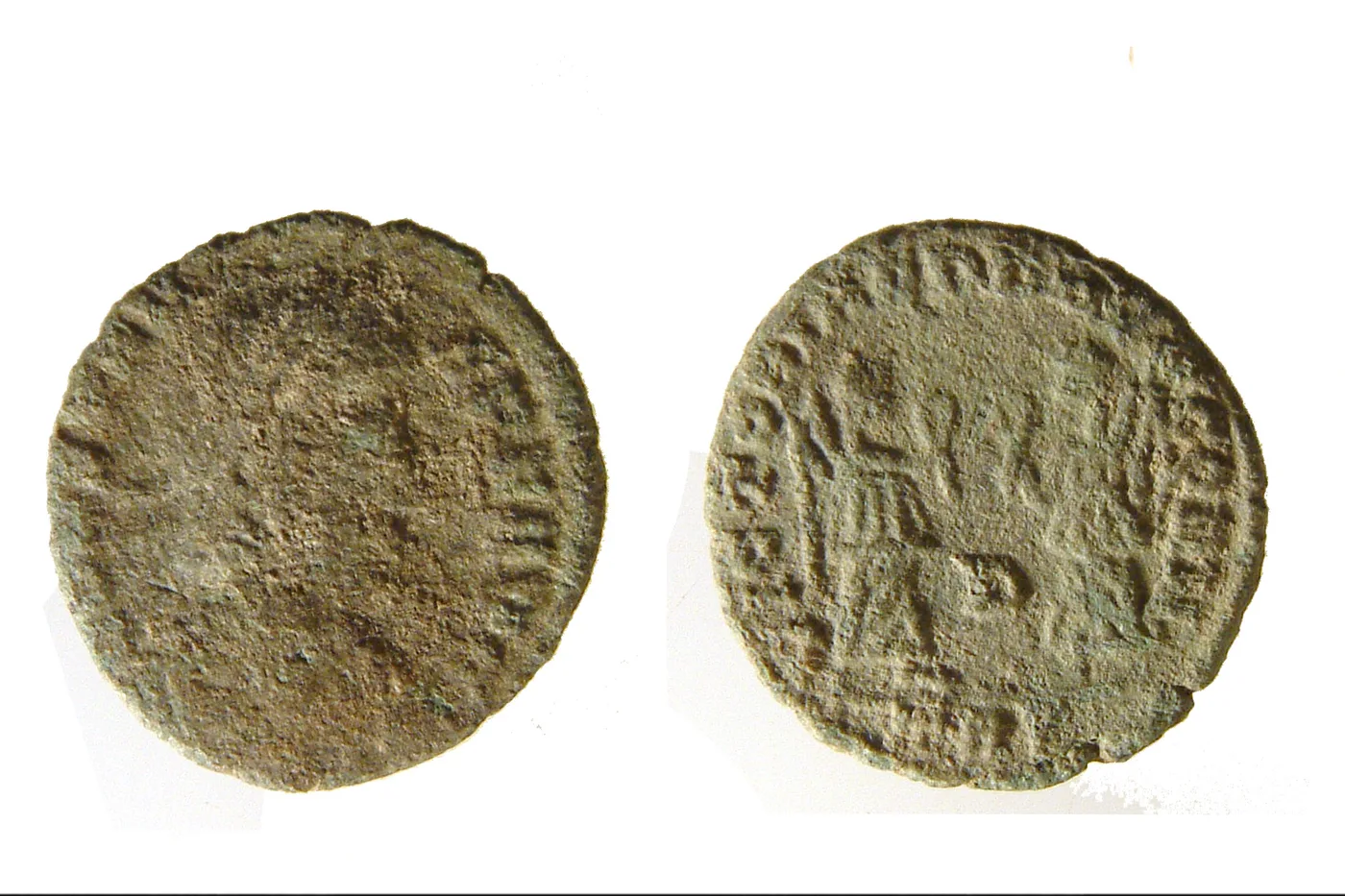
Description
Before the time of the Persians, money took the form of unstamped pieces of a precious metal such as silver or gold. Coins were only invented in the eighth century B.C., and they did not come into common use in the land of Israel until near the end of the Old Testament period. Coins were small disks made of various kinds of metal. They were stamped or minted with words, symbols, likenesses of leaders, and so on, as a means of identifying their origin and relative values.
Translation
Only in a few later writings of the Old Testament (1CH 29:7; EZR 2:69; NEH 5:15; NEH 7:70; NEH 7:71; NEH 7:72) are actual coins in view. It will be necessary in translation to avoid the anachronism of having coins in the narrative at a time when they still had not been invented. While many translations may be technically correct to say “pieces of money,” avoiding the anachronistic mention of “coins,” this is perhaps not the best solution; the average reader will not understand “pieces of money” as meaning anything other than “coins.” In this case it may be better to stay with the literal expression “pieces of silver.” A translation should never use a word that indicates paper money, which did not exist in biblical times.
Where a generic term is lacking for the means of payment locally in use (such as certain seashells in some cultures), a generic plural of a commonly accepted local coin may be possible.
Part of the Greek text of 1MA 15:6 is literally “to make your own coinage” (an activity usually reserved for a sovereign power). GNT “to mint your own coins” takes advantage of a special word in English for this operation. Not all languages have a word for coining or minting money. It is possible to follow the Greek fairly literally and make good sense in many cases. A possible model is “to produce your own coins.”