Description
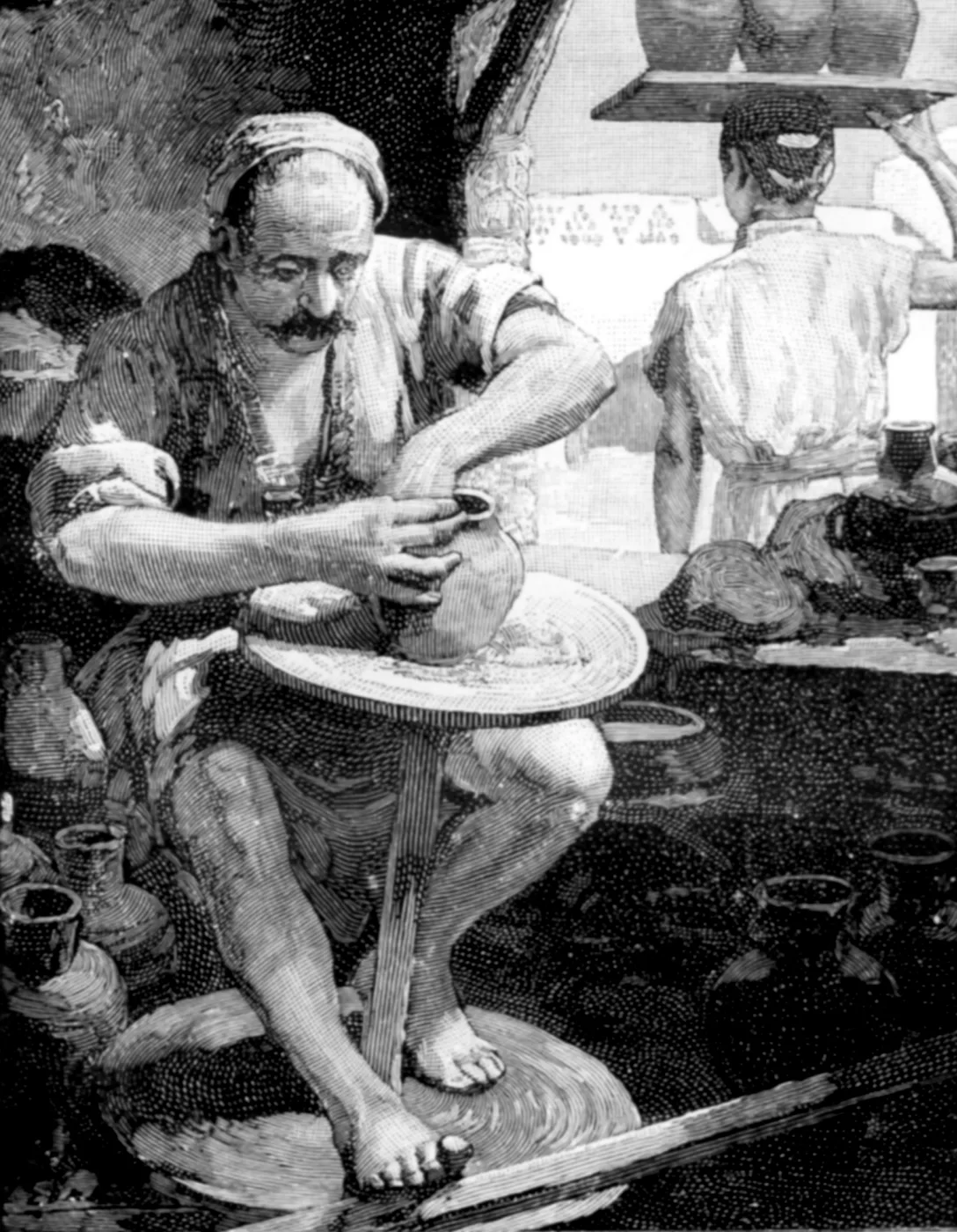
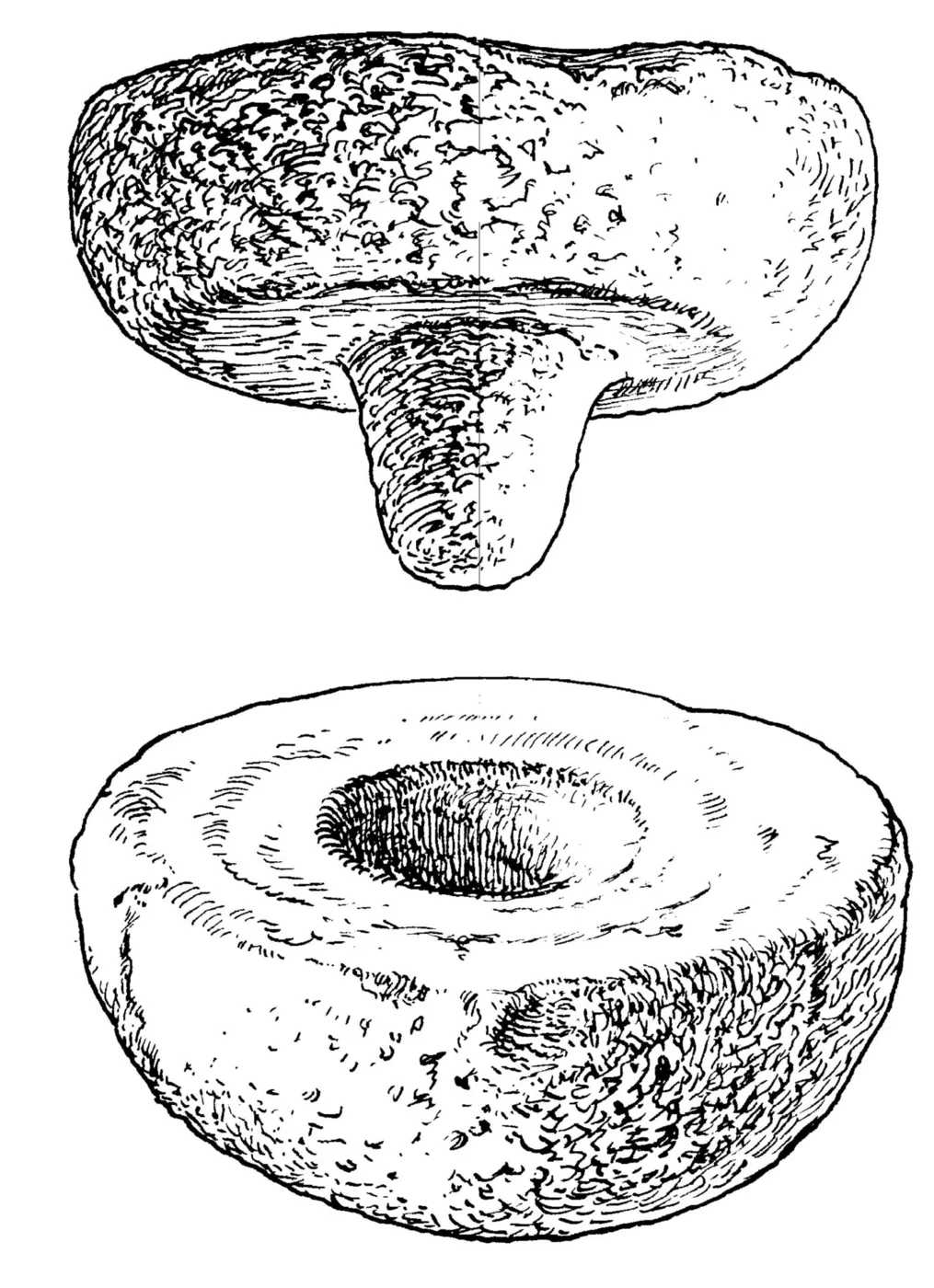
In Old Testament times the potter’s wheel was a flat, horizontal wheel made of stone. On the underside of the stone there was a pointed projection. This projection sat in an indentation on a stationary lower stone and served as an axis around which the upper stone turned. The stone was turned by hand or perhaps by a person other than the potter. In intertestamental and New Testament times the construction was different. An upper wheel, made of wood, was connected by a shaft to a second, larger wheel situated below. The upper wheel was at a height convenient for the potter to work when seated.
Usage