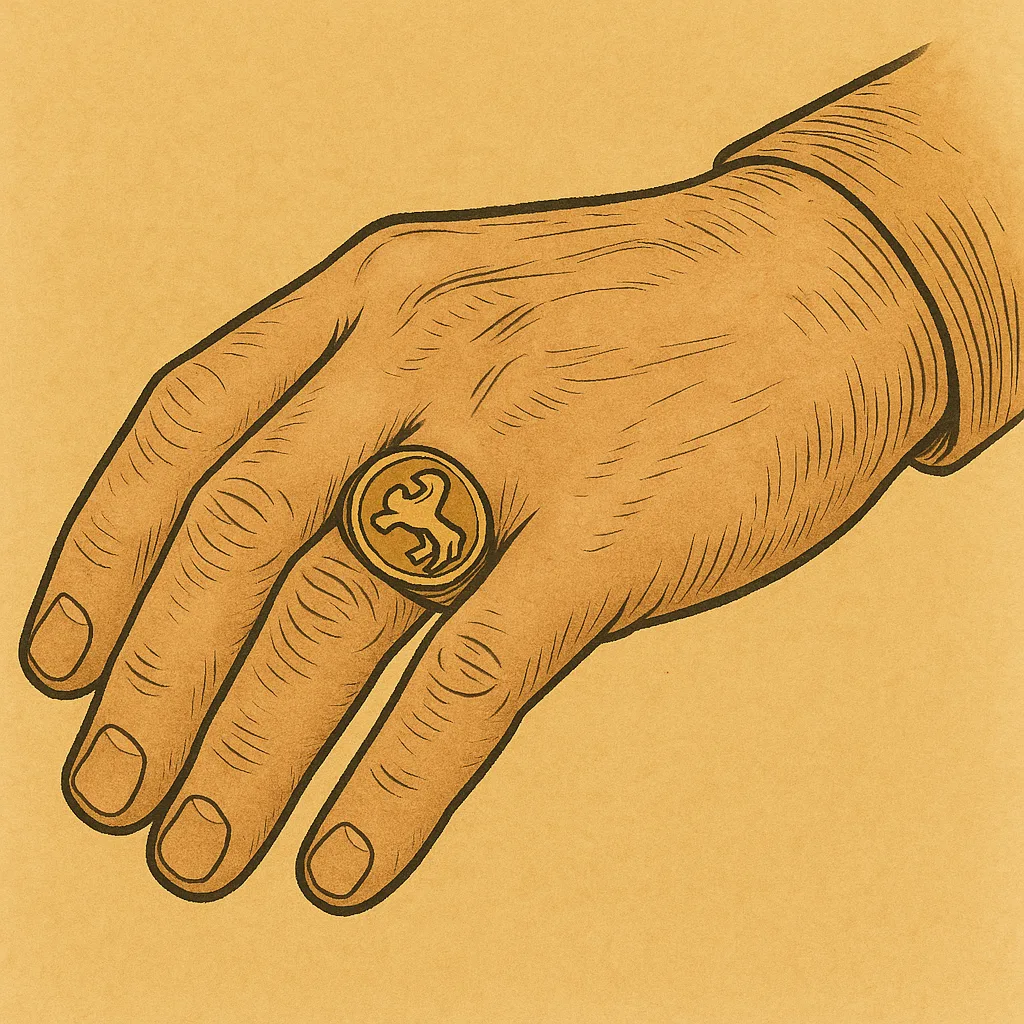
Description and usage
The seal, or signet, was an engraved object used to make a mark denoting ownership, approval, or closure of something. It was an important object in common use among persons of rank. It was a symbol of ownership and was used to seal contracts and other secret or confidential documents, and even as a mark of personal identification (see GEN 38:18). It was either round or (more frequently) oval and was pressed onto fresh clay before it was fired, or onto hot wax, which was left to cool showing its imprint. It could be applied to a document or letter or the object to be closed. The seal itself was engraved with a reverse image, so that the impression would come out correctly. It sometimes carried some figure or symbol, in addition to the owner’s occupation, office, or status. The seal was made from some precious stone and was normally inseparable from its owner, who wore it either mounted in a ring or attached to a cord around the neck.
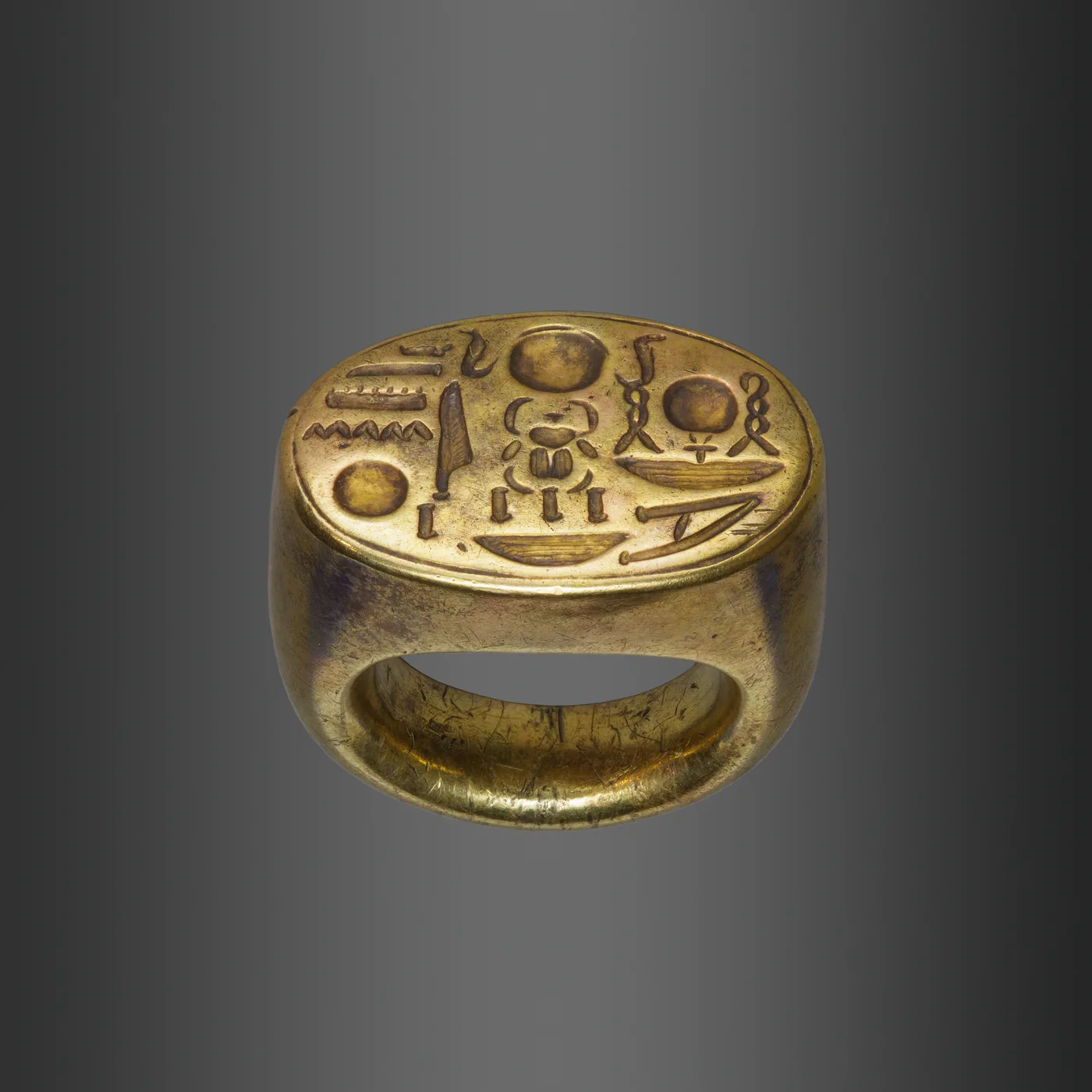
Translation
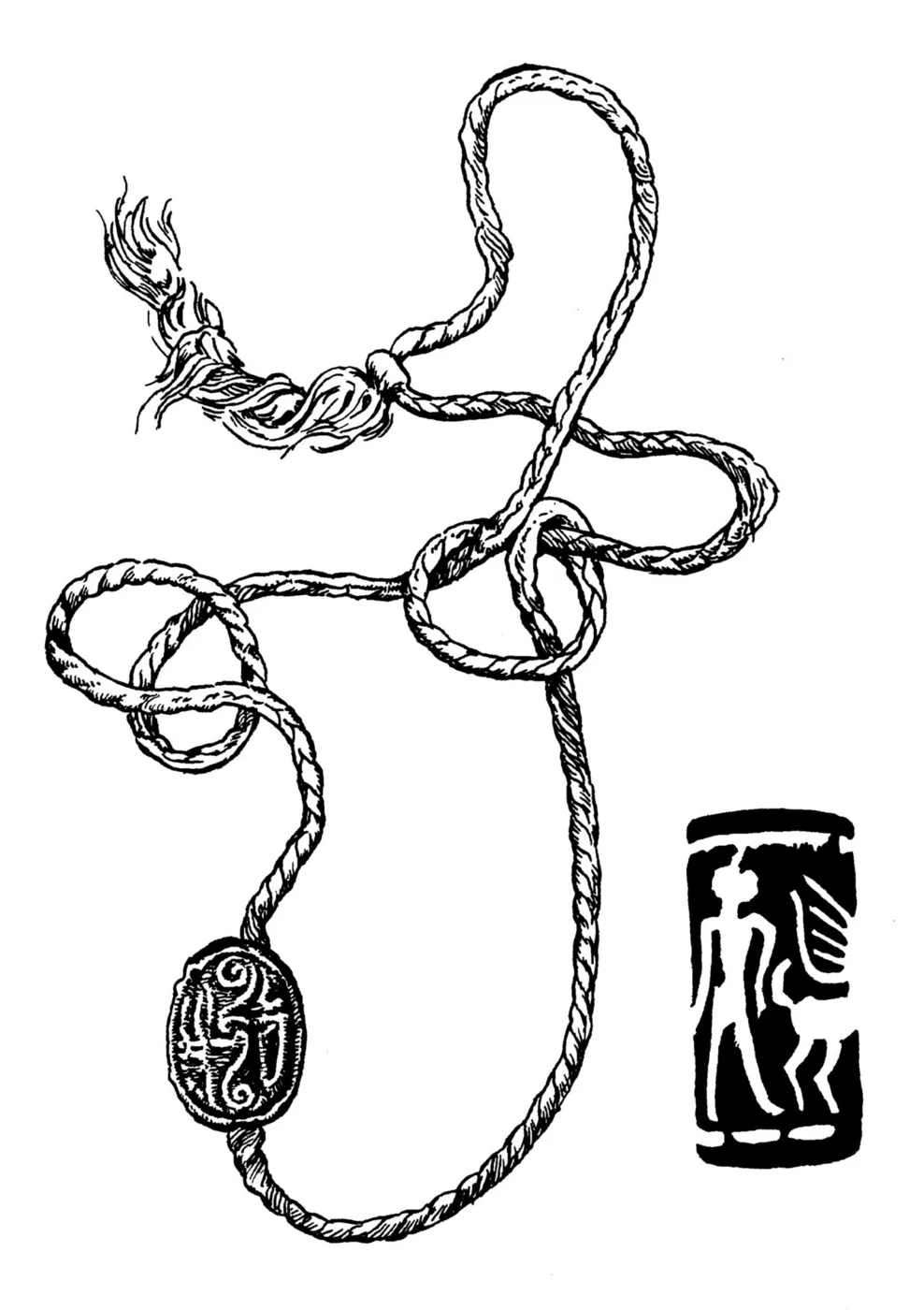
The Hebrew word taba‘ath comes from a root meaning “to stamp an impression.” This indicates that its original purpose was to serve as a signet as described above. However, rings were also worn as decorative jewelry, and such rings are probably referred to in EXO 35:22 and NUM 31:50. While finger rings are widely known, signet rings are less well known. Thus, it may be necessary to expand the expression for it; for example, NCV expands the literal phrase “his ring” in GEN 41:42 to “his ring with the royal seal on it.” GNT says “the ring engraved with the royal seal,” and SPCL has “the ring which held his official seal.” In EST 3:10GNT is even more expansive with “his ring, which was used to stamp proclamations and make them official.” However, some translators may prefer to place such a long explanation in a footnote.
MAT 27:66: No one is quite certain what is meant by the act of “sealing the tomb” in this verse. One scholar has suggested that a rope was drawn over the stone and then a seal attached to it. Others believe that the sealing was done by means of filling the space between the face of the rock and the stone used for a door with soft clay, and then stamping on the seal of the Jewish authorities. Since sealing is not known in all societies, a possible translation for the end of this verse is “they put a mark on the stone to know if it was moved” or “they put their mark on the stone so no one would move it.”