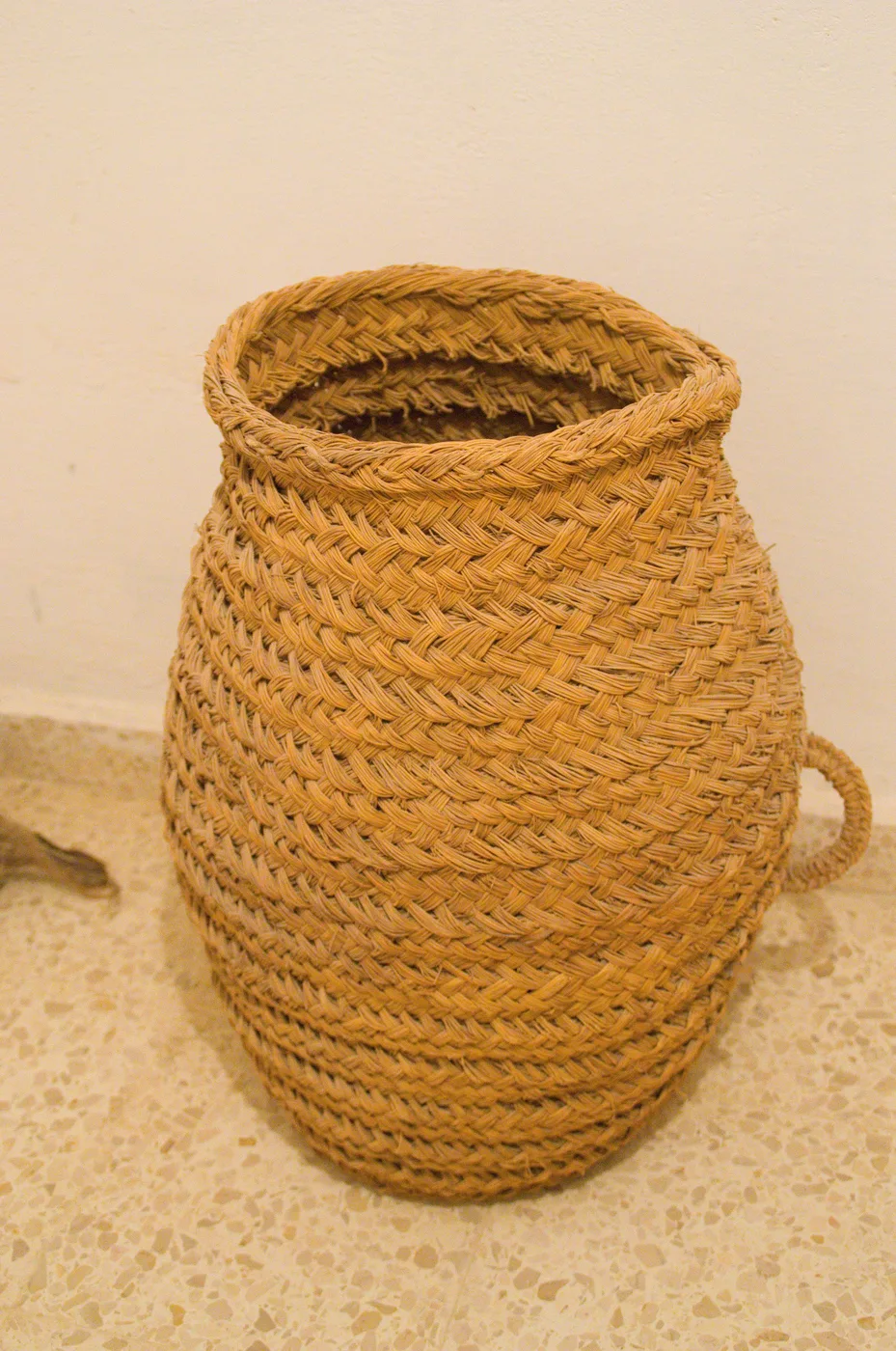
Description and usage
The basket was a container made of woven material, usually grass or reeds. Baskets could vary widely in size, depending on their intended use. Baskets were used for carrying a great variety of things, including food and produce and even for moving soil from one place to another.
Translation
The Hebrew word ’eyfah sometimes refers to a volume of measure and sometimes to the basket used to hold that measure. The translator will need to pay special attention to the context.
In ZEC 5:7 there is reference to something that serves as a lid or cover (kikar in Hebrew) for a basket. This object is said to be made of lead and does not seem to be a normal feature of a basket. Most translations render it “lid made of lead” (GNT) or “lead cover” (CEV, GW).
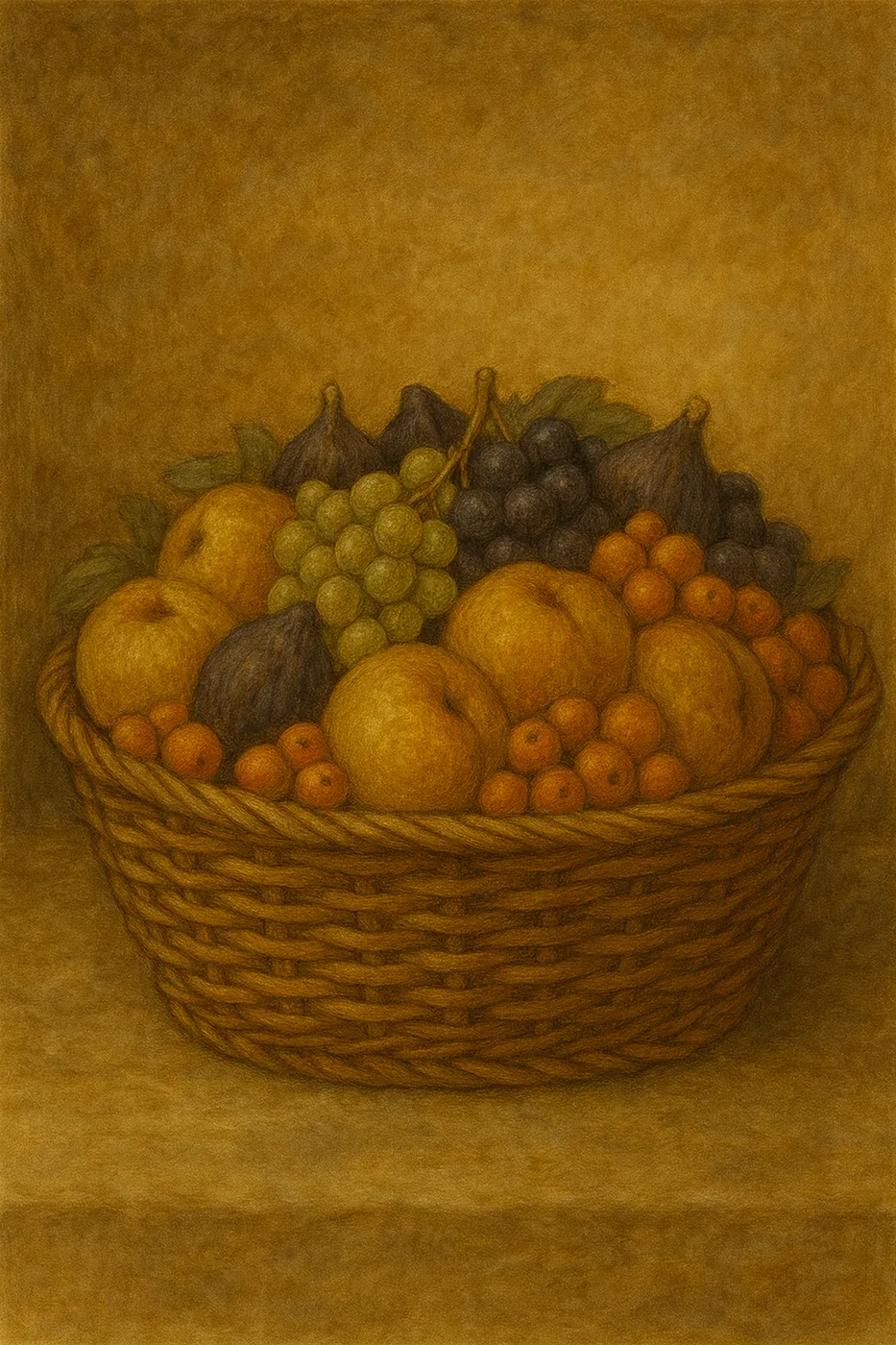
It is impossible to determine precisely the differences in meaning among the three New Testament terms for baskets listed above. In 2CO 11:33, which is the only place where the Greek word sarganē occurs, the basket was evidently rather large, since it was used to let Paul down from an opening in the wall of Damascus. The same basket is referred to in ACT 9:25 with the Greek word spuris.
Translators often find it difficult to find satisfactory equivalents for the Greek words spuris and kofinos, since in various receptor languages there are highly specific terms for particular kinds of baskets depending upon the type of construction and size. Unfortunately, there is no way of determining from the Greek text precisely the size or type of baskets involved. The translator should be careful not to use a word that indicates a container made of modern materials such as plastic or rubber.