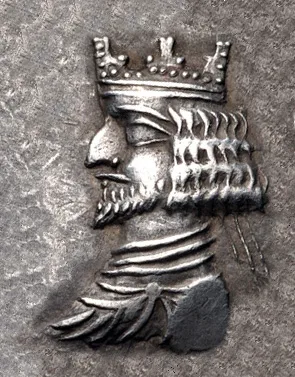
Description and usage
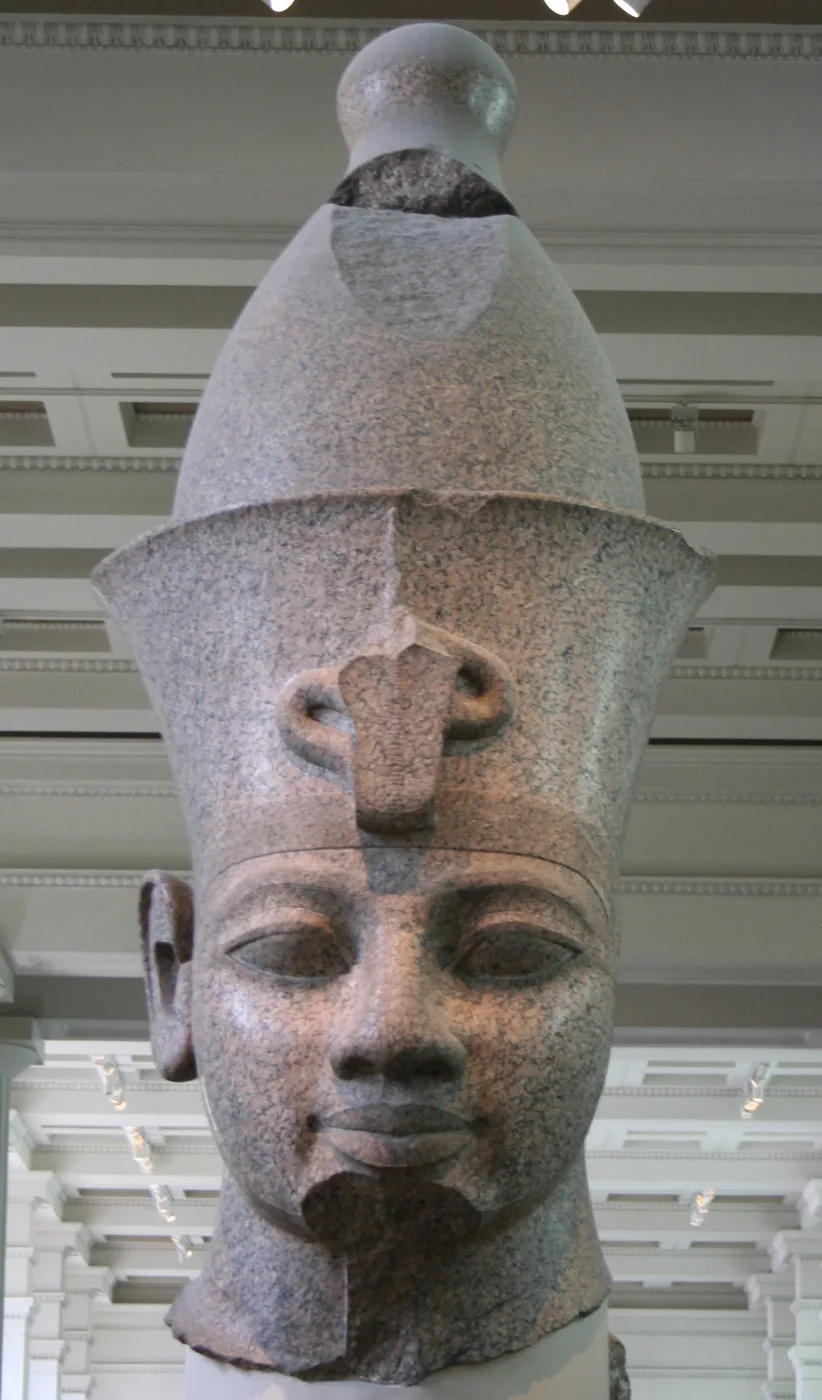
Translation
The “crown” may be described as “symbol of his/her power, worn on his/her head.”
In some passages (JOB 19:9; JOB 31:36; PRO 12:4; PRO 16:31; PRO 17:6; LAM 5:16) it is unclear from the context if the Hebrew word ‘atarah refers to a crown or a wreath (see Wreath, crown).
RSV renders 1MA 11:13 as “Then Ptolemy entered Antioch and put on the crown of Asia. Thus he put two crowns upon his head, the crown of Egypt and that of Asia.” This literal rendering can create a rather silly picture in the mind of the reader. The crowns, of course, simply represent the authority held by Ptolemy in the two regions mentioned here. CEV has avoided the image of a king trying to balance two crowns on his head by saying “Ptolemy went to the city of Antioch, where he crowned himself king—both of Syria and of Egypt.” CEV ’s rendering, however, gives the misimpression that he became king of Syria and Egypt simultaneously. A better model is “Ptolemy went to the city of Antioch, where he crowned himself king. This meant that he now ruled over both Egypt and Syria.”
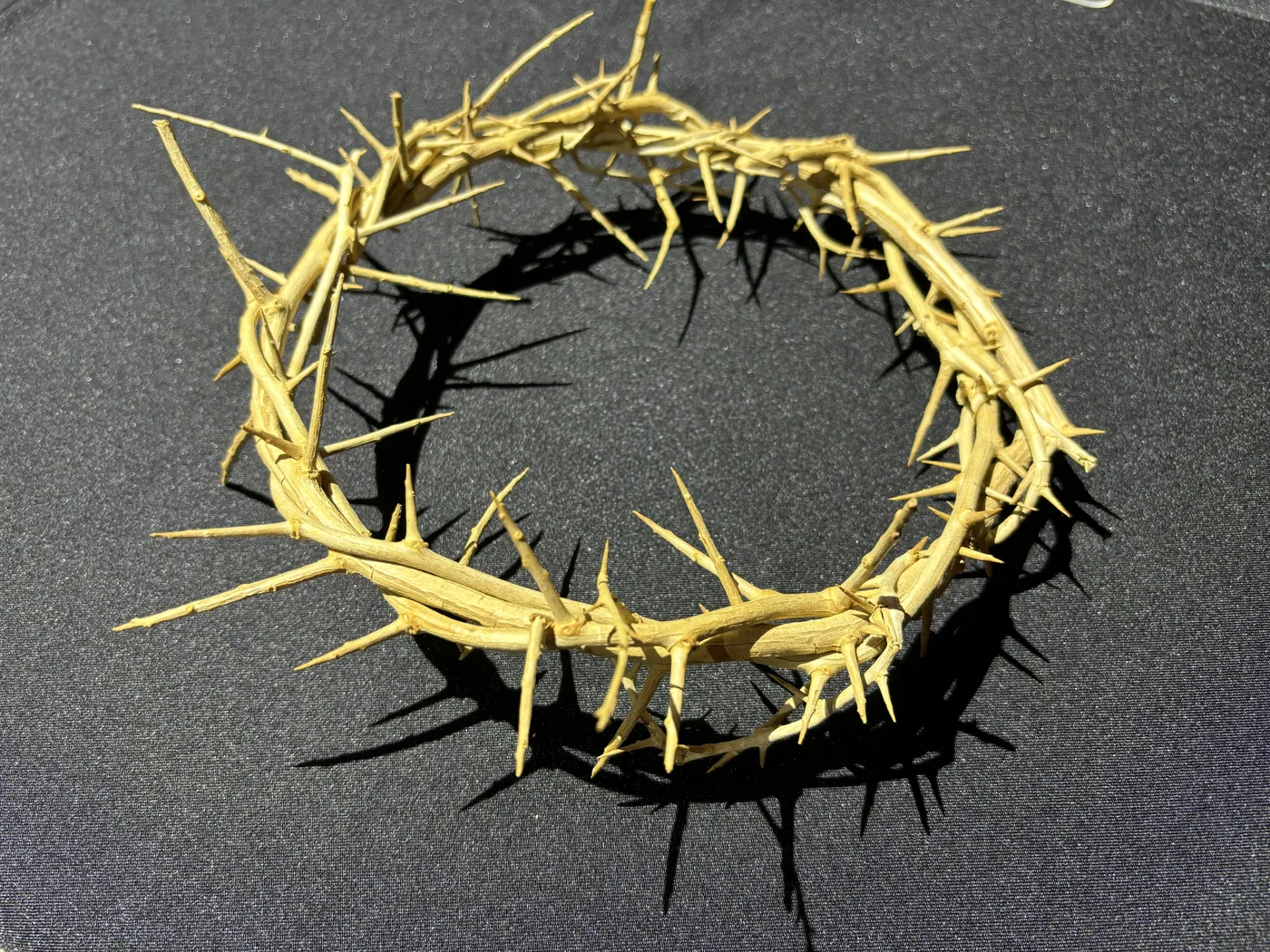
It should be noted that the “crown of thorns” placed on Jesus was a wreath made of thorny branches (MAT 27:29; MRK 15:17; JHN 19:2; JHN 19:5). The action may be described as “put a circle of thorns on his head” or “wove thorn branches together into a wreath [or, circle] and put them on his head.”
For stefanos as a wreath, see Wreath, crown.