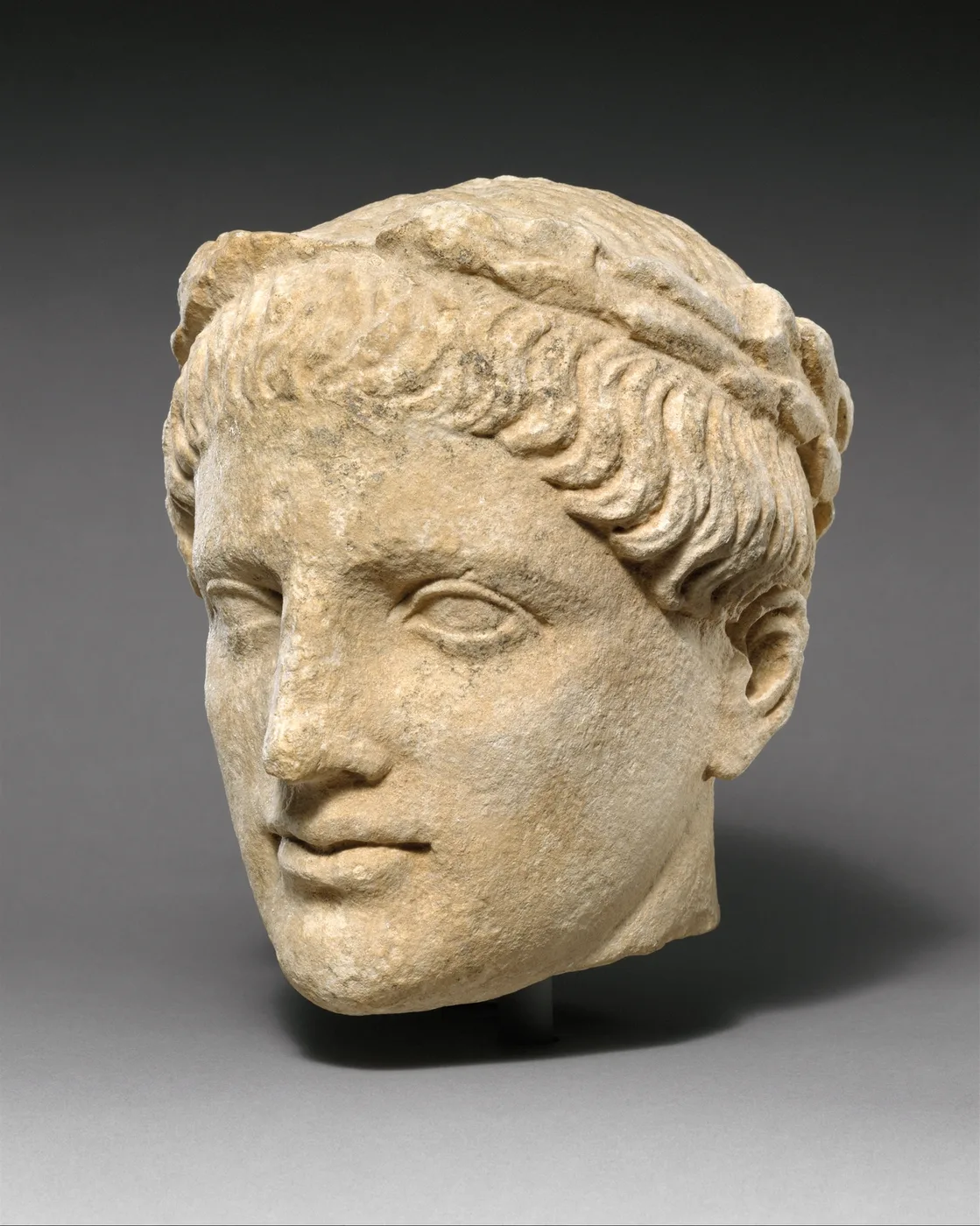
Description and usage
The wreath was a ring consisting either of foliage or of precious metals formed to resemble foliage and worn around the top of the head as a symbol of honor or victory, or as a badge of high office. For the crown of royalty, see Crown.
Translation
It may be important in some contexts to indicate clearly the significance of the wreath worn on the head, for example, “wreath to show victory.” To describe “a wreath” merely as “a circle of leaves” would hardly be sufficient to indicate its cultural significance. In order to do justice to the cultural relevance of such a wreath, it may be important to add some type of marginal note.
In some languages the term “crown” suggests only a symbol of ruling rather than a symbol of reward as the result of being victorious. It may therefore be better in some passages to translate “crown” as “prize” or “reward”; for example, for the literal clause “he will receive the crown of life” (RSV) in JAS 1:12 (which has no implications of royalty), CEV has “He will reward you with a glorious life.”
PHP 4:1: Here Paul refers to the Philippians as “my crown.” In some languages translators may be able to preserve this figurative expression by saying “you are like a crown for my head.” But sometimes this type of rendering has resulted in wrong meanings; for example, it has been understood in the sense of “you are a weight upon my head,” and thus a mental burden. Other possible renderings are “how proud I am of you!” (GNT), “I am always glad to tell people about you,” and “I am always boasting about you.” For the literal expression “my joy and crown,” CEV has found a closely parallel English idiom with “You are my pride and joy.”