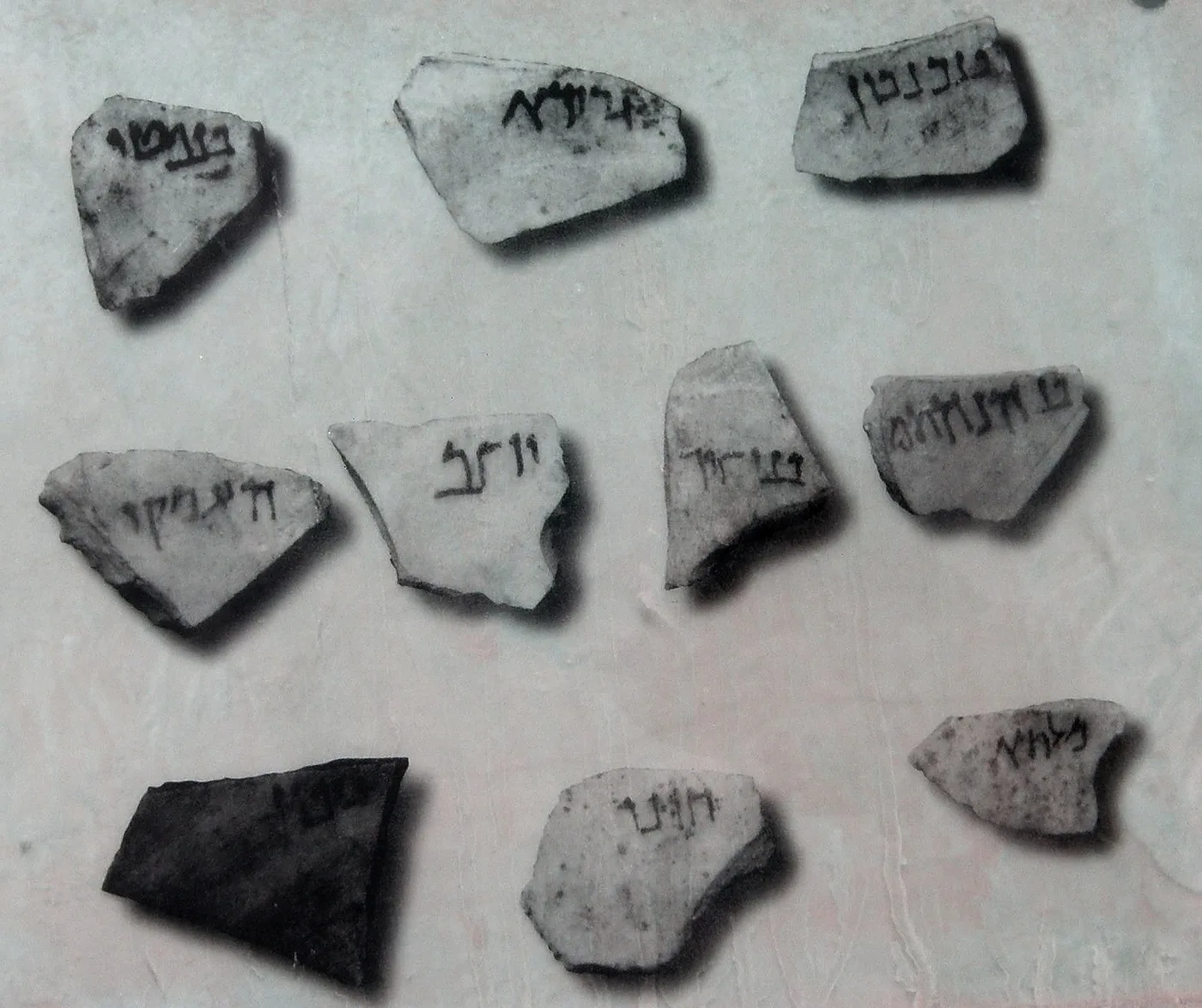
Description and usage
Lots were specially marked pebbles, pieces of pottery or sticks used in making decisions. It is not possible to know the particular method used in “choosing by lot,” for evidently various devices were used. See also Urim and Thummim.
Translation
Drawing lots (literally “throwing lots” in Hebrew) was viewed by the people of Israel as a way of discerning God’s will, since it was believed that God directed the outcome (see PRO 16:33). In some cultures the closest natural equivalents of deciding by lot are procedures involving “drawing straws,” “throwing down sticks,” and “dropping pebbles.”
JHN 19:24: “Throw dice” (GNT, JB, NAB) translates the Greek verb lagchanō, which means to get something either by casting or drawing lots (so RSV, Mft, AT, Phps). However, for contemporary readers the idea of throwing dice or tossing a coin may be the nearest cultural equivalent; for example, for the third clause in this verse NEB has “let us toss for it.” In some languages a generic expression may be employed, for example, “let us gamble for it.” However, in some parts of the world where there is no cultural equivalent of gambling, a parallel type of behavior can be described, for example, “let us play a game to see who wins and therefore gets the robe.”
In ACT 1:26RSV “they cast lots for them” is literally “they gave them lots” in Greek. In this context it is probable that small sticks were handed out.