Description and usage
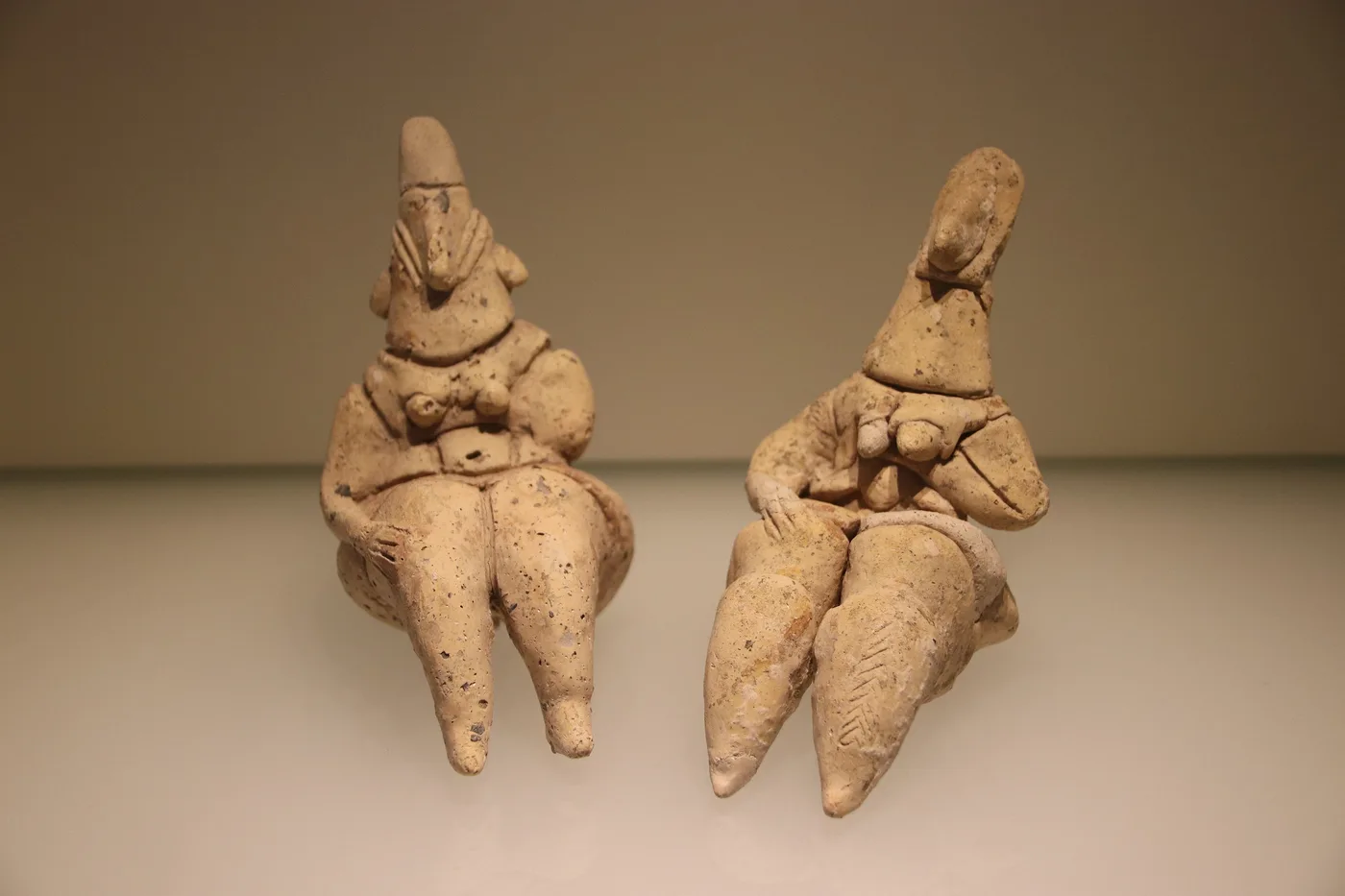
The idol was an artifact that was made to represent a god as an object of worship. Idols took many forms and were made in many sizes, from smaller than a finger to several meters high. They most frequently were shaped like a human figure, but they often took the form of some animal or bird or even a combination of human and animal.
Translation
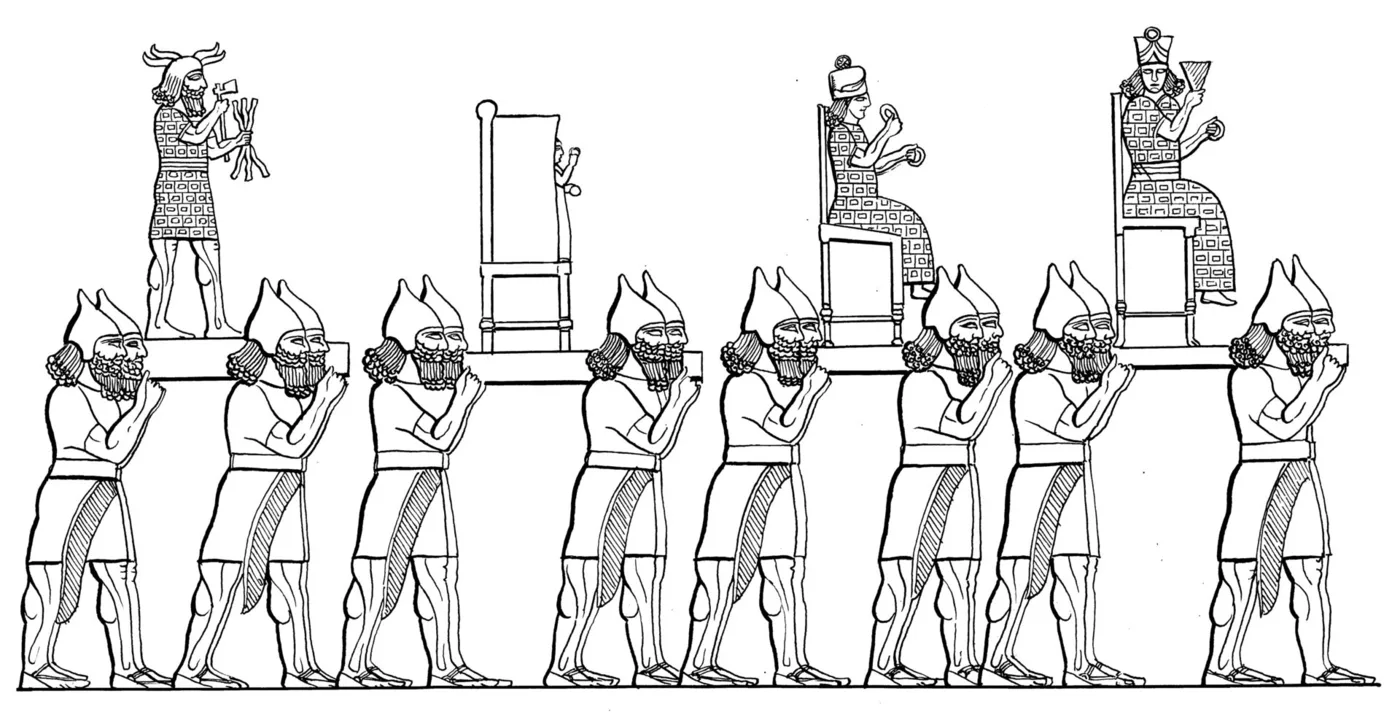
In some languages it may be necessary to specify the material from which an idol is made. The idols mentioned in the Bible were made from a variety of materials, including stone, clay, metal, and wood.
In the Old Testament, idols are often not named as such but rather are called by a wide variety of pejorative terms indicating such things as “iniquity,” “terror,” “grief,” and “horror.” Most translations will render these words as “idol,” even though the word idol is only implied. For example, JER 50:38 uses the Hebrew word ’eymim, which means “terrors,” so the last half of this verse is literally “For it is a land of idols, and they go crazy with the terrors.” Here NRSV has “For it is a land of images, and they go mad over idols.” GNT says “Babylonia is a land of terrifying idols that have made fools of the people.” Other Hebrew words used to refer to idols in a negative way are the following:
While it is possible to translate most of these terms simply as “idol,” the negative sense of the Hebrew will be better rendered by adding an appropriate modifier such as “disgusting,” “detestable,” or “filthy.”
The exact meaning of the Hebrew word chaman (which always appears in the plural, chamanim) is uncertain. The form of the word is similar to a Hebrew word for the sun, and so some have understood it to be an idol or sacred pillar to the sun god (Mft “sun-pillars”; see Sacred pillar, sacred stone, memorial stone). Most translations prefer “incense altars” (RSV, GNT, NIV) or “incense stands” (NJPSV).
The Greek words eikōn, tupos, and charagma primarily refer to a likeness or a resemblance, so in MAT 22:20CEV renders eikōn simply as “picture.” When these words refer to the likeness of a god (for example, in ACT 7:43 and ROM 1:23), they may be rendered in the same way as the Greek word eidōlon, which means “idol.”
The technical distinction between a statue or an image and an idol is that a statue may merely represent a supernatural being, while an idol not only represents such a being but is also believed to possess certain inherent supernatural powers. Statues often become idols when they are assumed to possess such powers in and of themselves rather than being mere representations of some supernatural entity. If, for example, various images of a particular supernatural being are believed to have different healing powers, then what began merely as images or representations of a supernatural power have become idols since the different images themselves have acquired special power. In other words, an “image” becomes an “idol” when people relate to it as a god.
The following discussion on LEV 26:1 from A Handbook on Leviticus (pages 401–402) may prove helpful in distinguishing between different kinds of idols:
This verse contains four different words or expressions referring to false gods (or attempts to represent the deity in physical form) that are forbidden to the people of Israel. In some languages it may be difficult to find four different synonymous terms, but an effort should be made to do so if possible:
(1) \+u Idols\+u*: the root of the word thus translated [’elil in Hebrew] really means “worthless; insufficient; inadequate.” NAB translates it “false gods,” while Mft has “unreal gods.” In some languages it may be best translated “worthless (or, useless) things [used for worship].”
(2) \+u Graven image\+u*: this [pesel in Hebrew; see Graven (stone) image ] refers to something fashioned into the shape of an object, animal, or a person. It may be made of stone, clay, wood, or metal. According to the context here, the purpose of making such a likeness was to provide an object that could be worshiped. It may be rendered “carved out to look like something,” or “made to resemble something living,” or something similar.
(3) \+u Pillar\+u*: this [matsevah in Hebrew; see Sacred pillar, sacred stone, memorial stone ] probably refers to a long stone that was made to stand up by itself and served as an object of worship. It is the same term used in GEN 28:18 and EXO 24:4, when such objects were apparently acceptable in Hebrew worship. NEB has “sacred pillars,” and JB translates “standing-stone,” but NJB changes this to “cultic stones.”
(4) \+u Figured stone\+u*: compare NUM 33:52. It is uncertain exactly what this [’even maskith in Hebrew] refers to. The root meaning of the word has to do with the verb “to look.” Some commentators therefore take it to refer to some sort of remarkable stone or mosaic at which people look with adoration. However, most English versions take it to refer to a stone that has been carved or shaped by human efforts to look like an object of worship.
DAN 3:1–DAN 3:18: According to some commentators, the proportions of the “image” or “statue” mentioned in this passage suggest that it was probably a sort of symbolic column rather than an exact representation of a human or divine figure, and that perhaps some carving on the column pictured the features of a person, whether human or divine. But others feel that it must have had the shape of human features. The church fathers thought it may have been an image of a king who was considered a god, and several modern commentators think it may have been a representation of a Babylonian god; but the information given in verses 12, 14 and 18 does not really make it possible to decide one way or another. If a language has a word for symbolic representation rather than exact likeness, then this word should probably be used in translation here rather than the other one.
2MA 2:2: The Greek word agalma literally means “image” or “statue,” which is the rendering in some translations (NRSV, NJB). Others (GNT, NAB, ITCL) prefer “idol,” which seems to be indicated by the context.