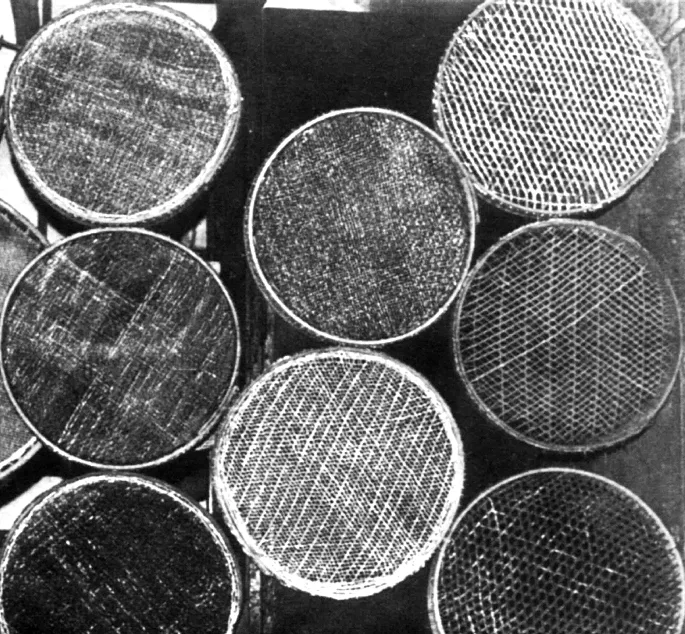
Description
The second stage of winnowing was carried out with a shallow, flat circular kind of sieve. This sieve had a mesh bottom made of straw, cord, strips of bark, or reed. The fineness of the mesh varied according to the purpose for which it was intended.
Translation
Some languages may have a different word for an instrument that sifts dry things, like grains, and one that allows liquids to pass through but keeps the solids. In all of the references above it is the former instrument that is intended.
ISA 30:28: This verse comes in a context that describes the punishment and destruction of the nations, which is compared to shaking something back and forth in a sieve in the third line of this verse: “to sift the nations with the sieve of destruction” (NRSV). GECL expands the four Hebrew words in this line to “He shakes the nations in his sieve and throws them out like worthless chaff.” In some languages even such an expansion will not give sufficient understanding, and it may be best to drop the image of the sieve. GNT drops both the picture of the sieve and the following one of putting a bit in the mouth of an animal and combines them into “It [the wind] sweeps nations to destruction and puts an end to their evil plans.” Almost all translations consulted attempt to maintain the image of sifting. The Hebrew word nafah may indicate a finer sieve, more appropriate for something like flour.
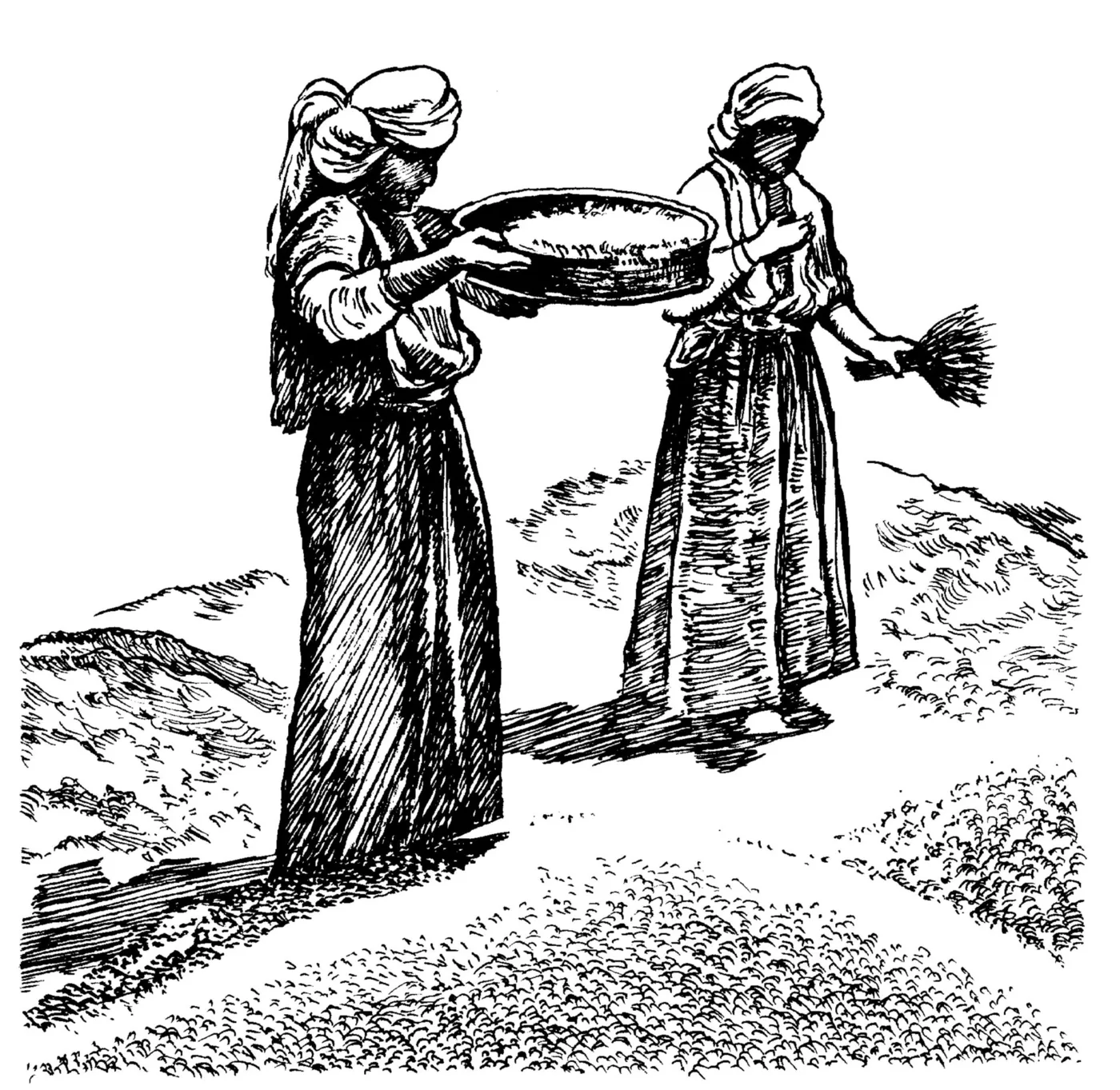
God is commanding the enemy to treat Israel like this; none of the sinners among the people of Israel will escape punishment, just as no stone gets through the sieve. It may be possible to translate “I will shake/sift the people of Israel like someone shakes sand [or, grain] in a sieve, through which not a single stone falls to the ground. I will shake/sift them to remove the bad people from among them.”
While the physical object “sieve” is not mentioned in LUK 22:31, the act of sifting is. Some languages will find it more natural to speak of the instrument with which the action is performed; compare ITCL “… to pass you all through a sieve, as is done with grain to separate it.”