Description and usage
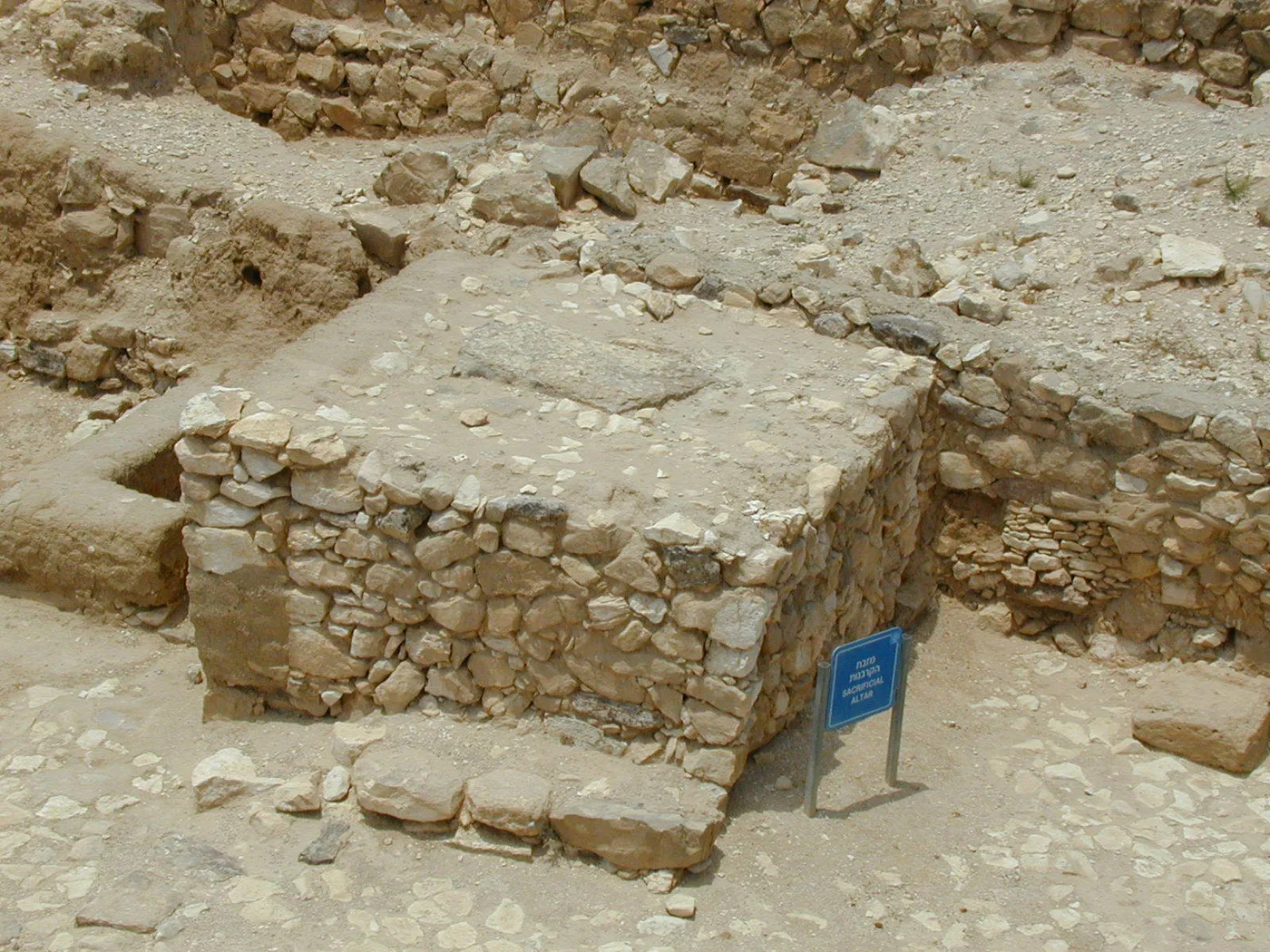
In Old Testament times, especially before the Tabernacle or the Temple was made, stone altars were built in the open air for the purpose of making sacrifices. The altars were made from large stones, piled together to form a platform. The sacrifices were of sheep or goats, or of offerings of grain. The stones used to make Israelite altars were not to be cut or shaped with iron tools (EXO 20:25; DEU 27:5).
Translation
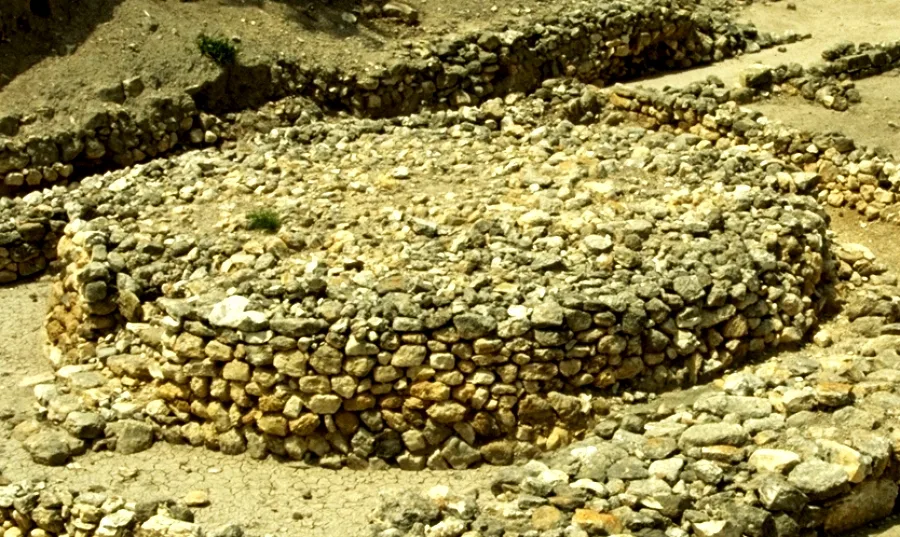
If sacrificing animals is something that is done in the receptor-language culture, then consider whether there is some cultural equivalent for an altar. A number of modern cultures have elevated structures for sacrificing animals or for offering gifts to a deity. Sometimes this will be a stone or wood platform or table. Be sure that the translation makes it clear that the sacrifice is being offered to God.
A descriptive equivalent of “altar” occurs in some languages as “place where gifts are given to God.” Several other models are “place/platform/hearth where people offer sacrifices,” “bed/platform for [killing and] offering sacrifices,” and “[hearth] stones for/of sacrificing things.” In some contexts it may be necessary to add a phrase such as “where sacrifices are burned to God” or “where incense is burned to honor God.” Other possible translations include “thing on which [sacred] offerings are placed” and “place of sacrifice.” In most passages the actual form of the altar is not in focus; the important fact is that it was a place where sacrifices were made.
Warning: In some South American languages a transliterated form of “altar” (or its Spanish or Portuguese equivalent) may occur. This word is often “borrowed” with a restricted meaning, sometimes referring to the shrine of a particular saint, or to the front section of a church, or to a patriotic shrine. When a borrowed word of this kind occurs, always check carefully what meaning it has for speakers of the receptor language in order to know whether or not it is suitable.
Similarly, translators may be tempted to use a transliteration of the word “altar” because that is what is used locally in the Roman Catholic, Anglican, or other church. As in the case of the term “priest,” it is recommended that this Christian term not be used as the basis for Old Testament translation, because it has a very different theological significance. See also Cult place, high place.