Discussion
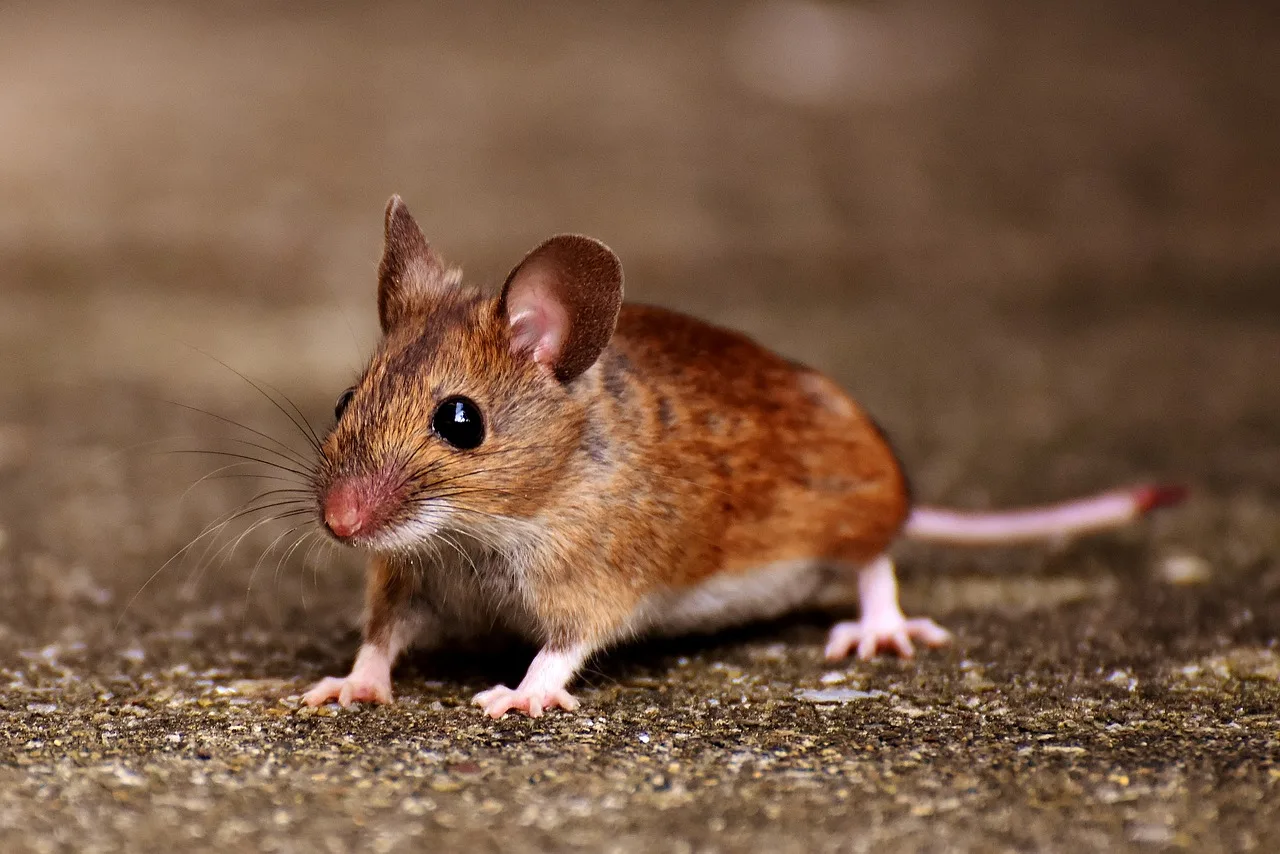
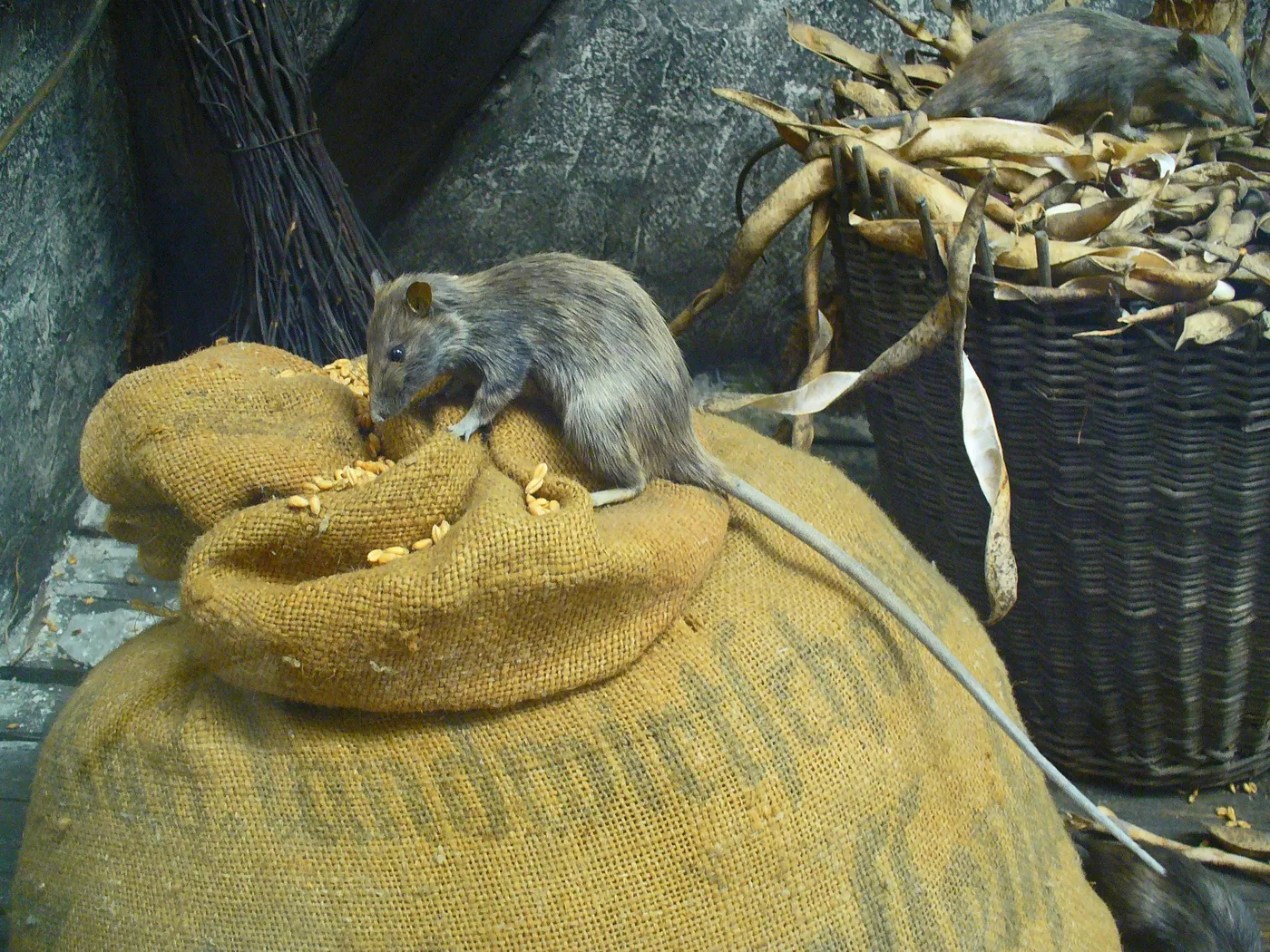
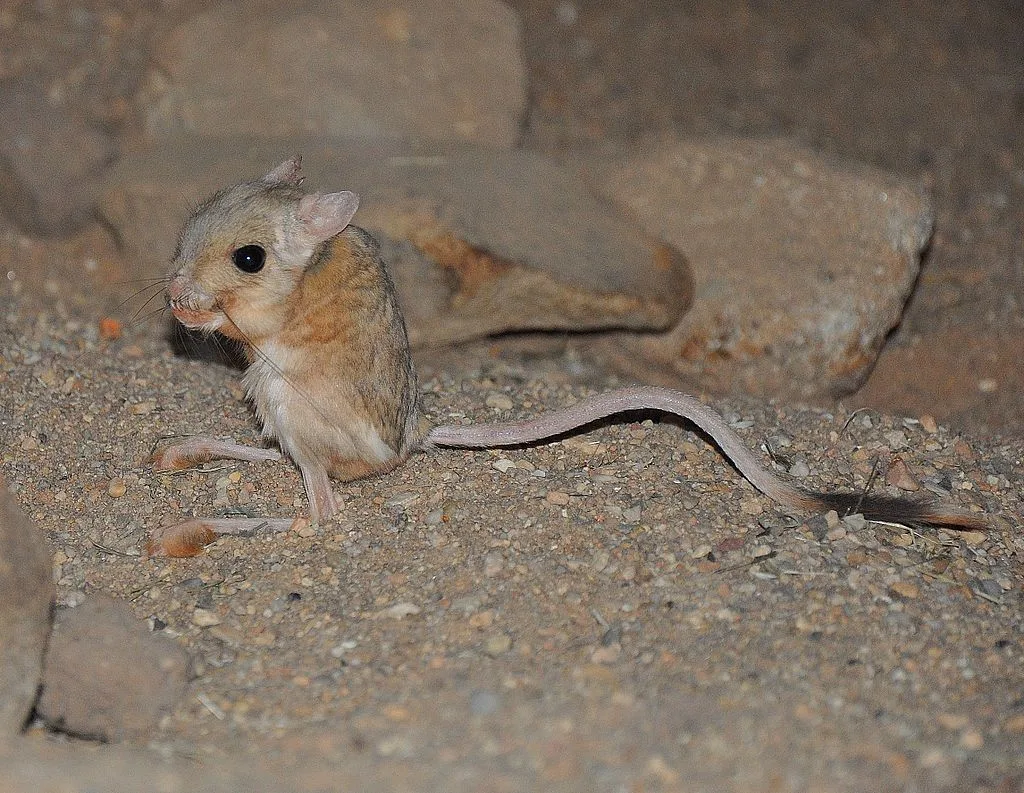
The Hebrew word ‘akbar is a very general one including all of the small rodents. The word thus includes house mice, field mice, voles, dormice, jerboas, jirds, gerbils (sand or desert rats), black rats, brown rats, hamsters, and others. The Canaanites hunted and ate the larger rodents such as jerboas and gerbils (which are not rats at all, in spite of their nickname “sand rats"), and so do many of the desert tribes today in the Middle East.
Description
It would not be possible to describe here all the various rodents covered by the Hebrew word ‘akbar. The descriptions will thus be limited to rats, voles, jerboas, and gerbils. House mice and field mice are too well known all over the world to warrant description.


Special significance or symbolism
In LEV 11:29 the ‘akbar is listed as an unclean animal. It is not clear and has often been debated by rabbinic scholars whether all “mice” are included in the ban, or only some species. Jerboas, gerbils, and hamsters are a common food among Middle Eastern desert tribes and are not classified as “mice” today.
Translation
: The major exegetical choice to be made by the translator is whether the ban is on all types of small rodents or only on some. Commentators are divided on the issue. NEB, JB, NIV, and REB all take the prohibition to apply to specific species: rats (JB and NIV) or jerboas (NEB and REB). “Rats” is an understandable choice, since rats, especially the black rat, are known to be carriers of disease. TEV takes the view that all species are included in the ban and has “rats, mice". KJV, RSV, and NAB have “mouse", probably with a wide rather than a restricted meaning.
1SA 5:6: There is a textual problem in this verse. In the Masoretic Text there is only one plague mentioned, namely “tumors". KJV, RSV, JB, NIV, and TEV follow this reading. In the Septuagint and the Vulgate two plagues are mentioned, “tumors", and “rats/mice". Some scholars accept this as the better reading, since the difference can be explained as a line of the Hebrew text omitted by a scribe when making a copy. (This is quite a common error.) This is the reading accepted by NEB, REB, and NAB. This reading also explains why two plagues are referred to in the next chapter. Even if only one plague remains in the text, it is interpreted by the majority of commentaries as bubonic plague, which is associated with the black rat.
If the Septuagint reading is accepted, two possible interpretations exist. If the two plagues are taken as being associated closely, that is, that the tumors were linked to the rats and the plague was bubonic plague, then the translation rats is the proper one here and in 1SA 6:0. (In TEV the plague in chapter 6 is identified as bubonic plague in a footnote, but ‘akbarim is surprisingly translated as “mice"!) If, however, the “mice” are not taken as associated with the tumors, then it is possible that the second plague was a sudden increase in the population of destructive voles.
ISA 66:17: The same word should be used in this verse as in LEV 11:29.