Discussion
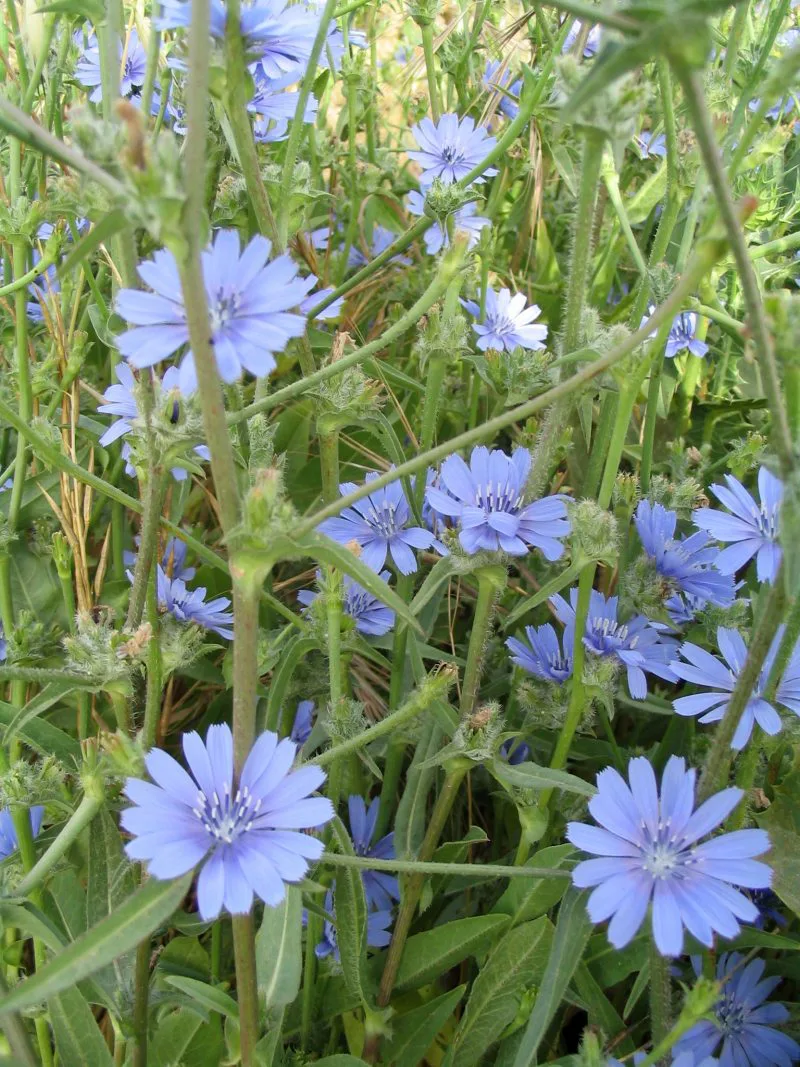
The Hebrew word merorim in EXO 12:8; NUM 9:11 is a plural form of maror, which is derived from the root marar meaning “to be bitter” (compare the name “Mara” in RUT 1:20), so it could be either a specific plant or a generic word. Zohary says merorim may refer to the Dwarf Chicory Cichorium pumilum, Reichardia Reichardia tingitana, and/or perhaps some other plant known to have bitter leaves. Moldenke suggests endive, dandelion, and sorrel. In addition to the above plants, the Mishnah names lettuce, eryngo, horseradish, and sow thistle. In other words, the rabbis considered any of these plants acceptable to fulfill the commandment to eat merorim at the Passover meal.
Special significance
The point of using “unleavened bread” and “bitter herbs” in the Passover Feast is that these foods could be prepared quickly, recalling the hasty departure of the people of Israel from Egypt (see EXO 12:11). Presumably the herbs were cooked into some kind of stew or sauce that would be used in this sort of hasty situation.
Translation
A descriptive phrase for “bitter herbs” is best, but if such a phrase is not available, specific bitter-tasting plants could be used, or some type of sauce or stew that is cooked in an emergency situation. Words for the dwarf chicory in major languages are hindiba /kasiniya (Arabic), chicoree (French), escarole (Spanish), and chicoria (Portuguese).