Reference:”
Discussion
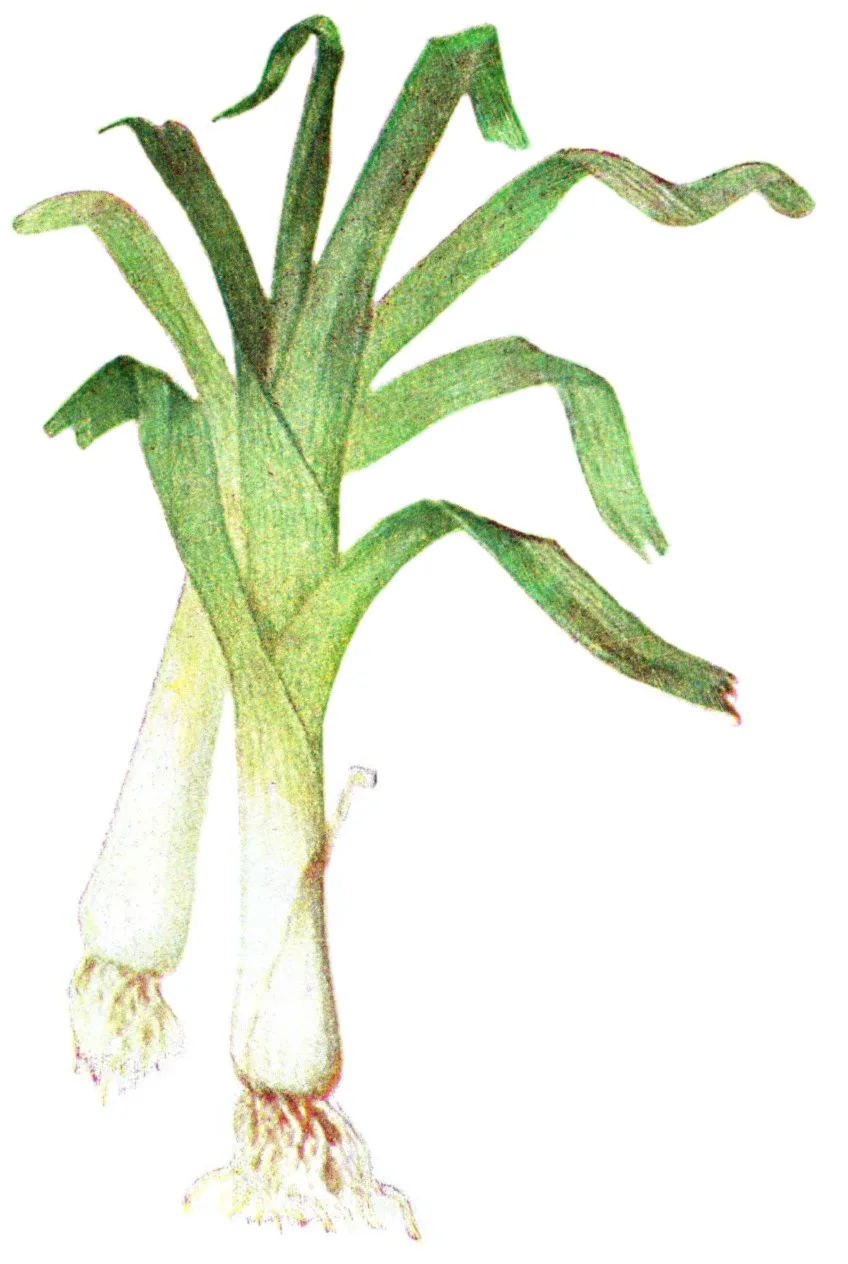
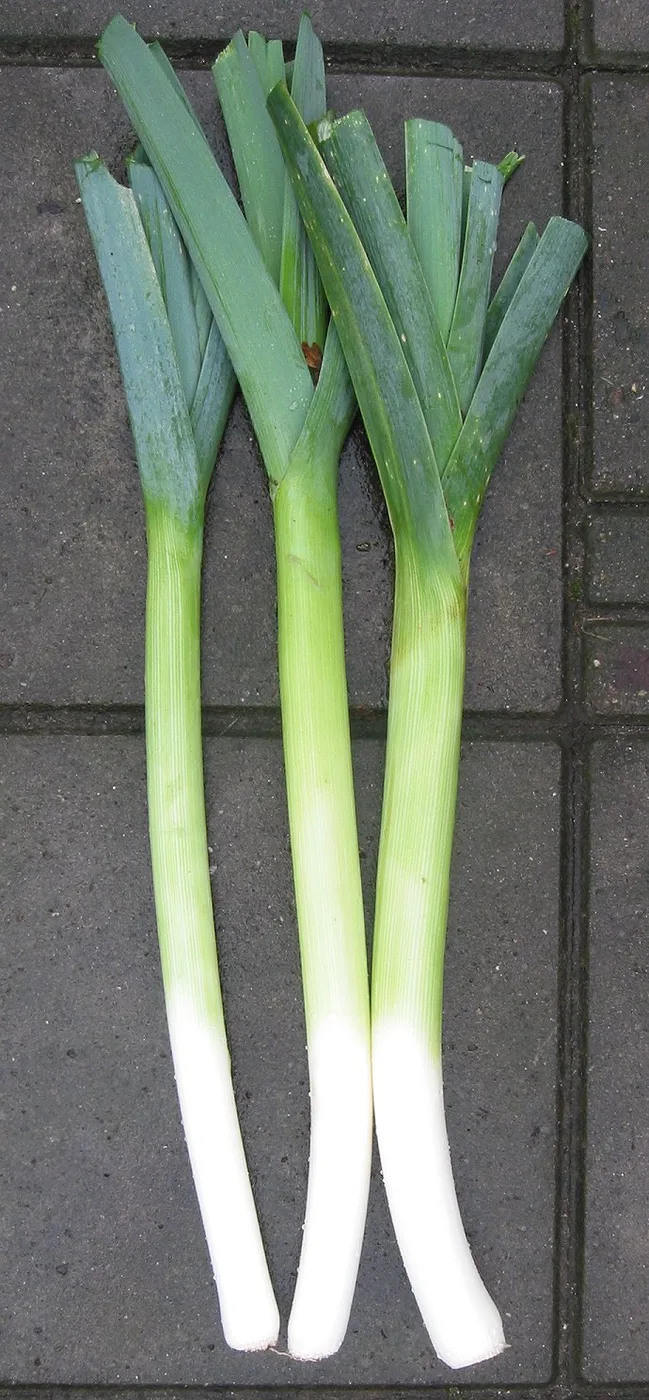
According to Zohary, supported by Moldenke, the Hebrew word chatsir in NUM 11:5 refers to the True Leek Allium porrum, but Hepper argues that it is more likely the Salad Leek Allium kurrat (also known as Egyptian Leek), specimens of which have been found in Egyptian tombs. Moldenke and others hold that chatsir could also have been the Fenugreek Trigonella foenum-graecum, which was also known both in Egypt and in the Holy Land. The word chatsir occurs elsewhere in the Old Testament with the meaning of “grass,” “herb” or “hay,” so it could be a generic word for any edible green plant (see Grass). However, in the context of “onions” and “garlics,” it is likely to refer to the leek. Zohary suggests that chatsir first referred to a specific plant and became a general word later.
Description
Special significance
In the ancient world the leek was considered the food of the poor. In Numbers leeks are listed with onions and garlic as plants the Israelites longed for when they left Egypt.
Translation
Leeks are known throughout the world. They are less common in West Africa than onions, but I have seen them for sale in the big cities of Nigeria and in The Gambia. Depending on what is done for the other items in the list in NUM 11:5 (garlic and onions), translators may find three local types of Allium or transliterate the word for garlic from a major language (for example, French poireau, Spanish puerro, Portuguese alho porro). The context is non-rhetorical.