Reference:”
Discussion
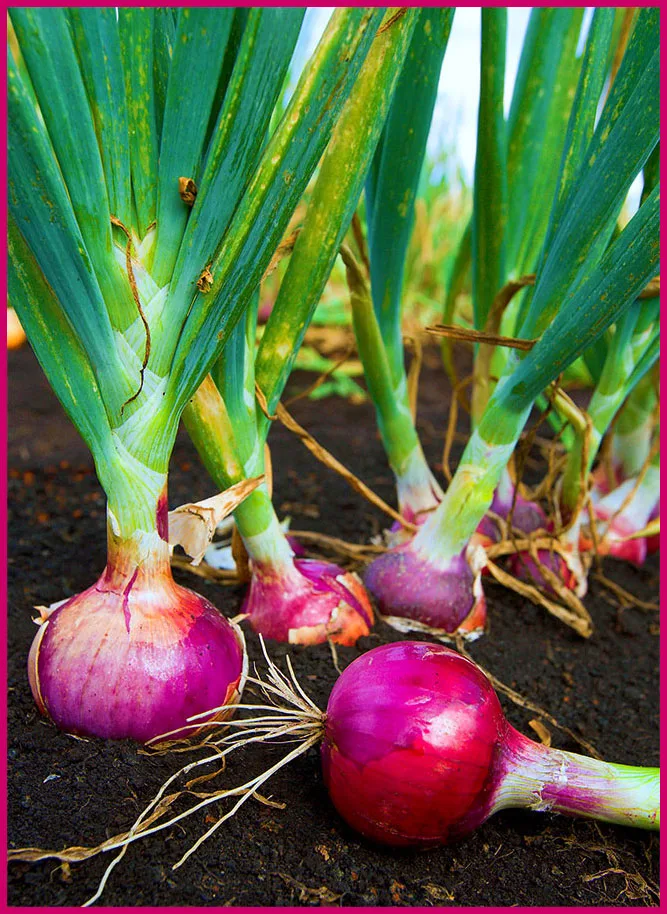
There is no doubt that the Hebrew word batsal refers to the ancestor of the Onion Allium cepa we know now. It may have been native to the Holy Land. Onions were known in Egypt as early as 3200 B.C. along with leeks and garlic. The Septuagint translates batsal as krommuon.
Description
Special significance
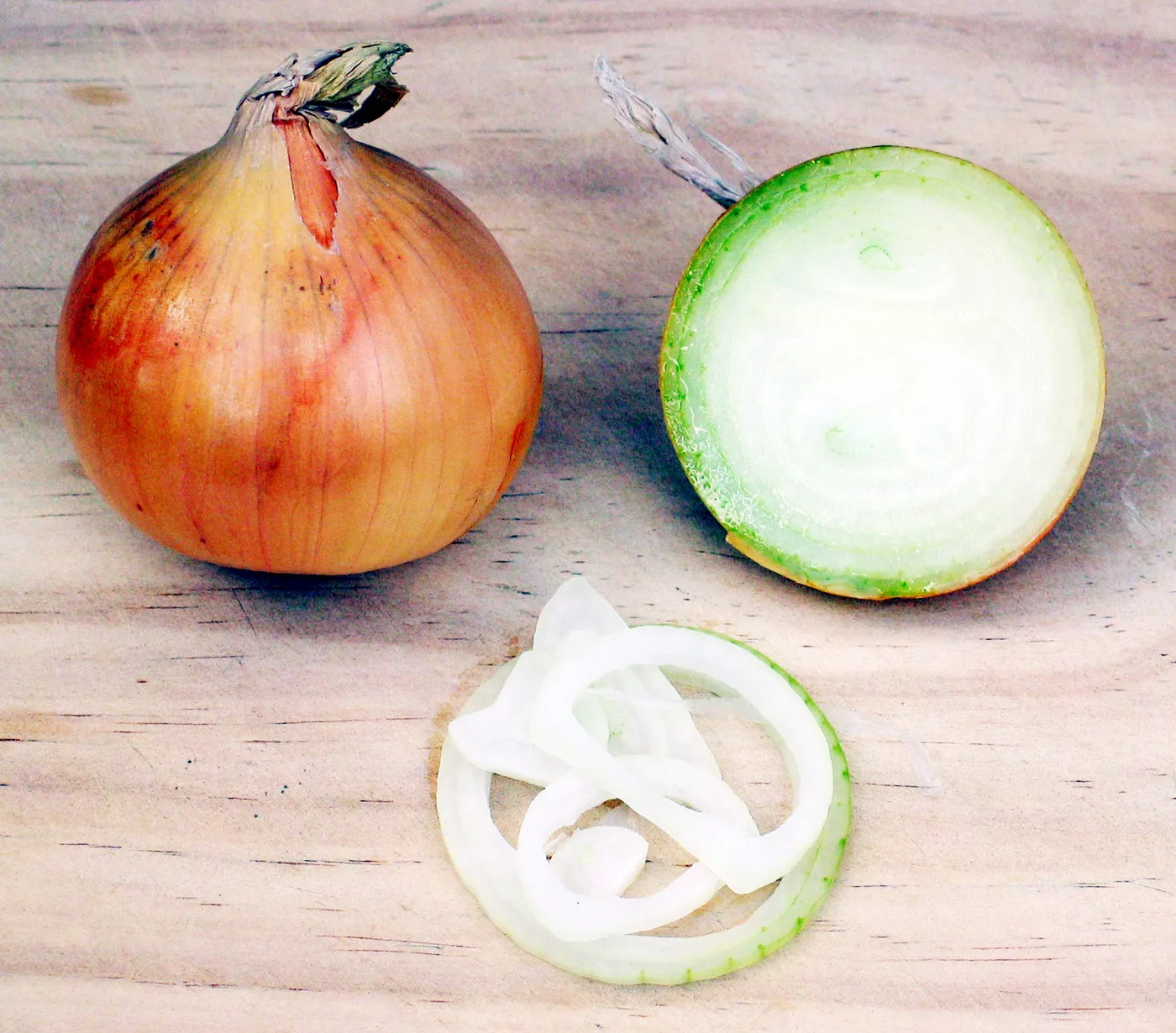
Onions are cited with garlic and other tasty things from the life of Egypt that the Israelites longed for as they wandered in the Sinai Desert for forty years.
Translation
Onions, leeks, and garlic belong to the genus Allium, which comprises around six hundred species, found mainly in the temperate zones of the world. Onions are now so common in Africa that it will be a surprise to find a language that has no name for them, assuming it will be a borrowed word like Hausa albasa (from Arabic; note the similarity to the Hebrew batsal). If transliteration is needed from a major language, consider French oignon, Spanish cebolla, Portuguese cebola, Italian cipolla, and Swahili kitunguu.