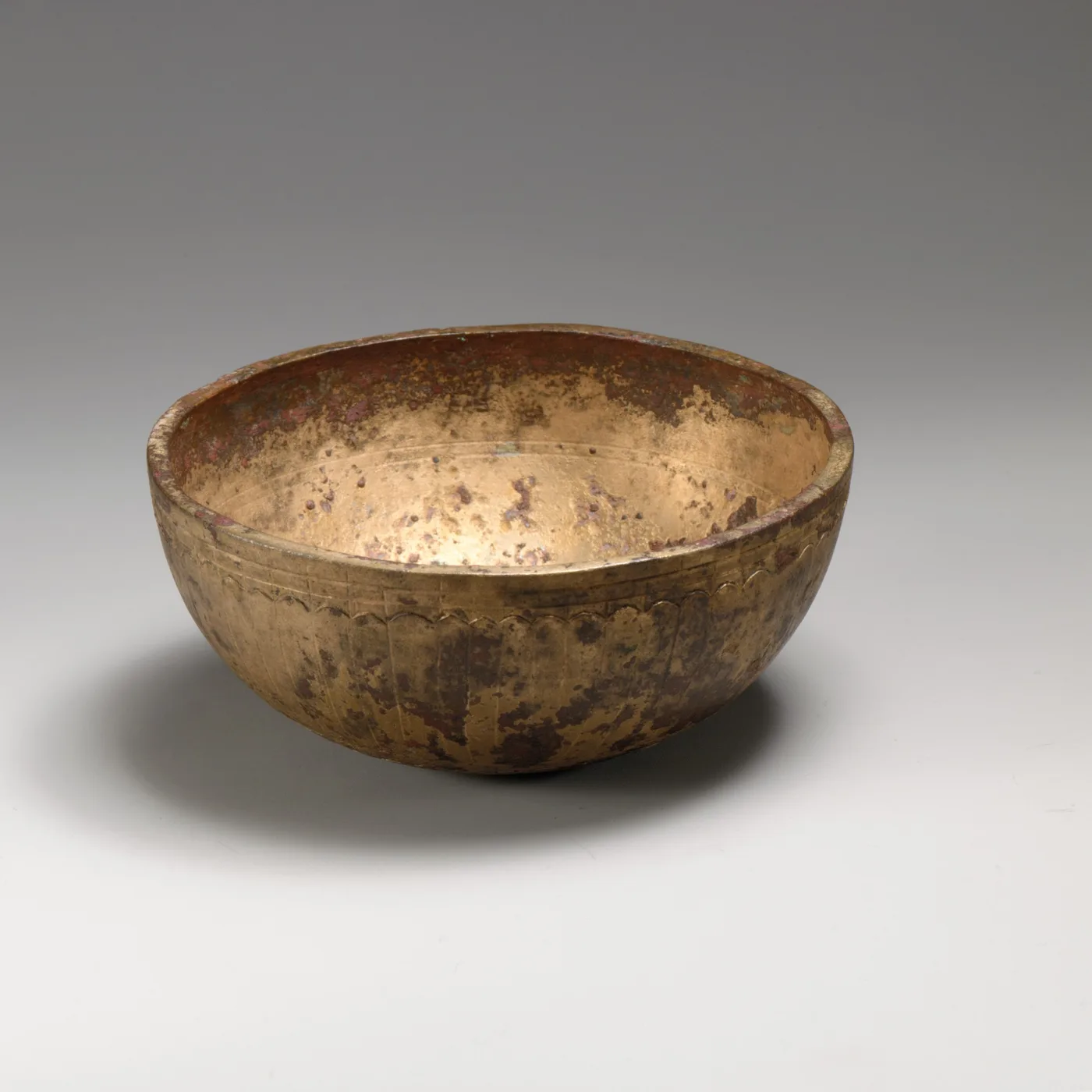
Description and usage
The basin was a concave dish used in Israelite worship for a variety of purposes, such as holding blood to be sprinkled or holding parts of sacrificial animals. It was probably shaped like a large bowl or perhaps like a pan or pitcher with a handle. For the most part, the basins mentioned in the Bible were made of gold or silver, although some in daily use were made of bronze (see EXO 27:3 and EXO 38:3).
Translation
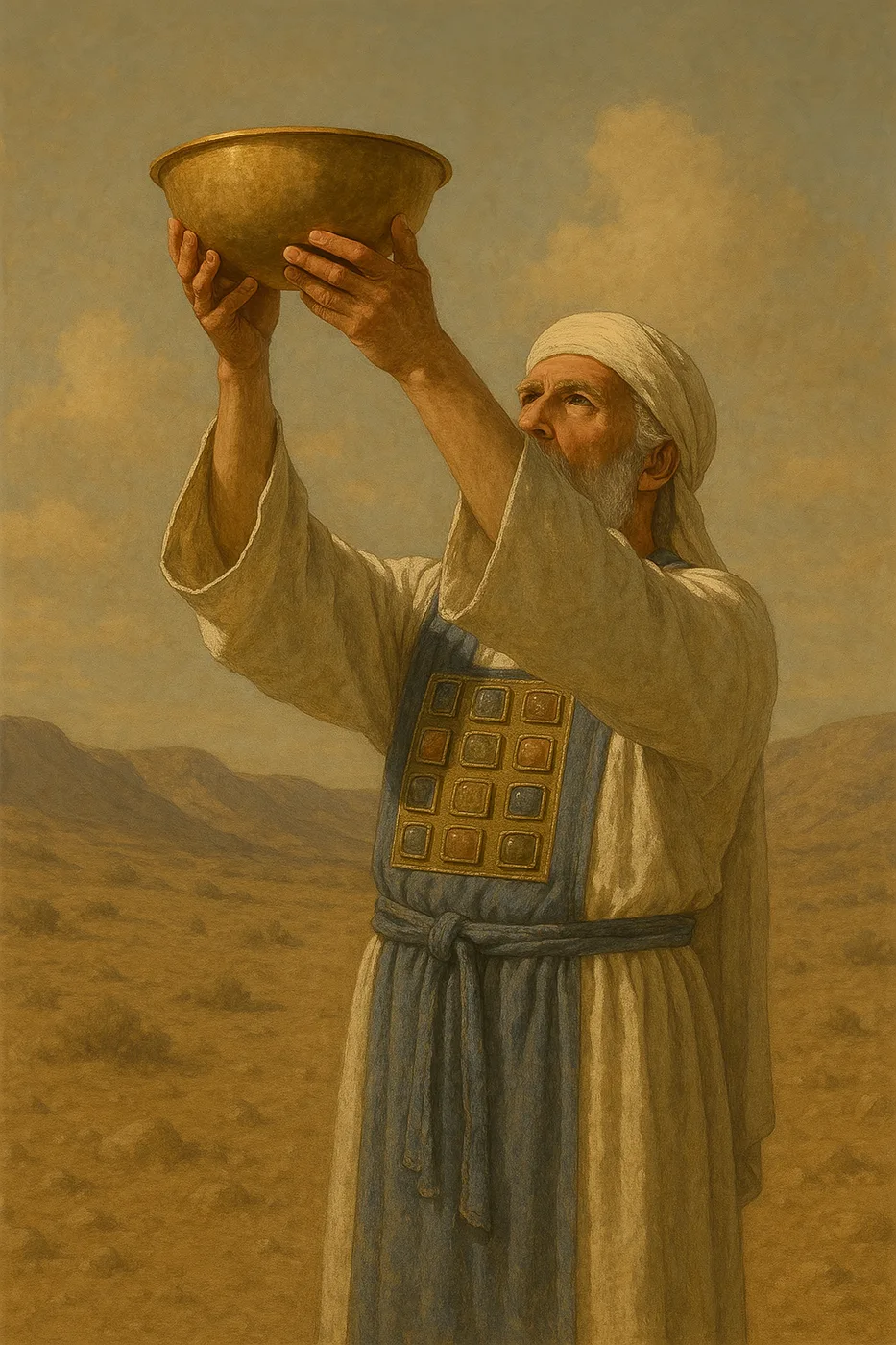
The Hebrew word ’agartal appears only in EZR 1:9. The exact shape of the dishes referred to by this word is not in focus but rather that they were large and valuable. CEV has “large … dishes”; others have “basins” (RSV) or simply “bowls” (GNT). The Hebrew word machalaf in the same verse appears only here in Scripture, and its meaning is uncertain. Translations have suggested a variety of implements, including “knives” (NRSV), “bowls” (GNT), and “pans” (NIV). The Hebrew word has the root meaning “change,” and it is possible that machalaf (perhaps with different vowels) means simply “other vessels.” Something like REB “vessels of various kinds” is recommended.
The Hebrew words saf and mizraq are listed together in 1KI 7:50, and it is not clear how they differ from each other. A sampling of translations will illustrate the uncertainty: “cups … basins” (RSV), “basins … sprinkling bowls” (NJPSV, NIV), “cups