Description and usage
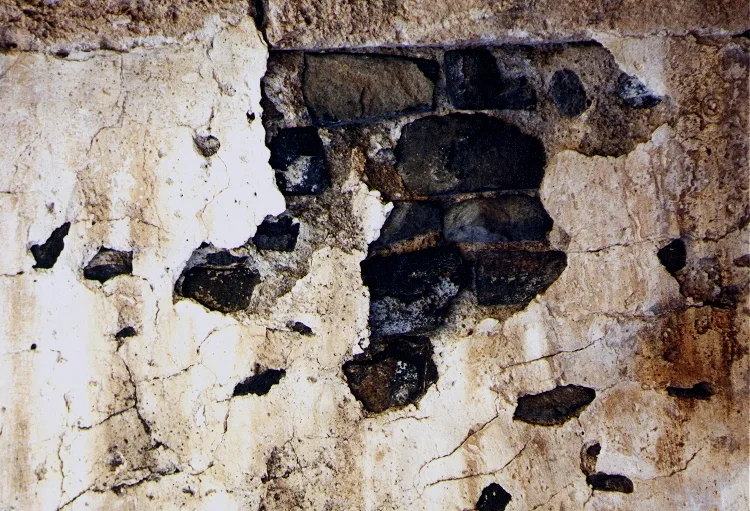
Plaster was a wet, pasty material used to cover a wall. It filled in holes and cracks, and when it dried, it left the wall smooth. Different materials were used, among them mud or a composition of lime, water, and sand. The plaster served to fill and seal spaces between the building stones and thus protect the surface from water seepage. Because it made a smooth surface, the plaster also served as a base for decorating walls with paint.
Whitewash was lime mixed with water. It was painted on walls to make them white and cover ugly rough surfaces. Whitewash did not strengthen a structure but only beautified it. Even where decorations were not added, it was common to cover the plaster layer with whitewash.
Translation
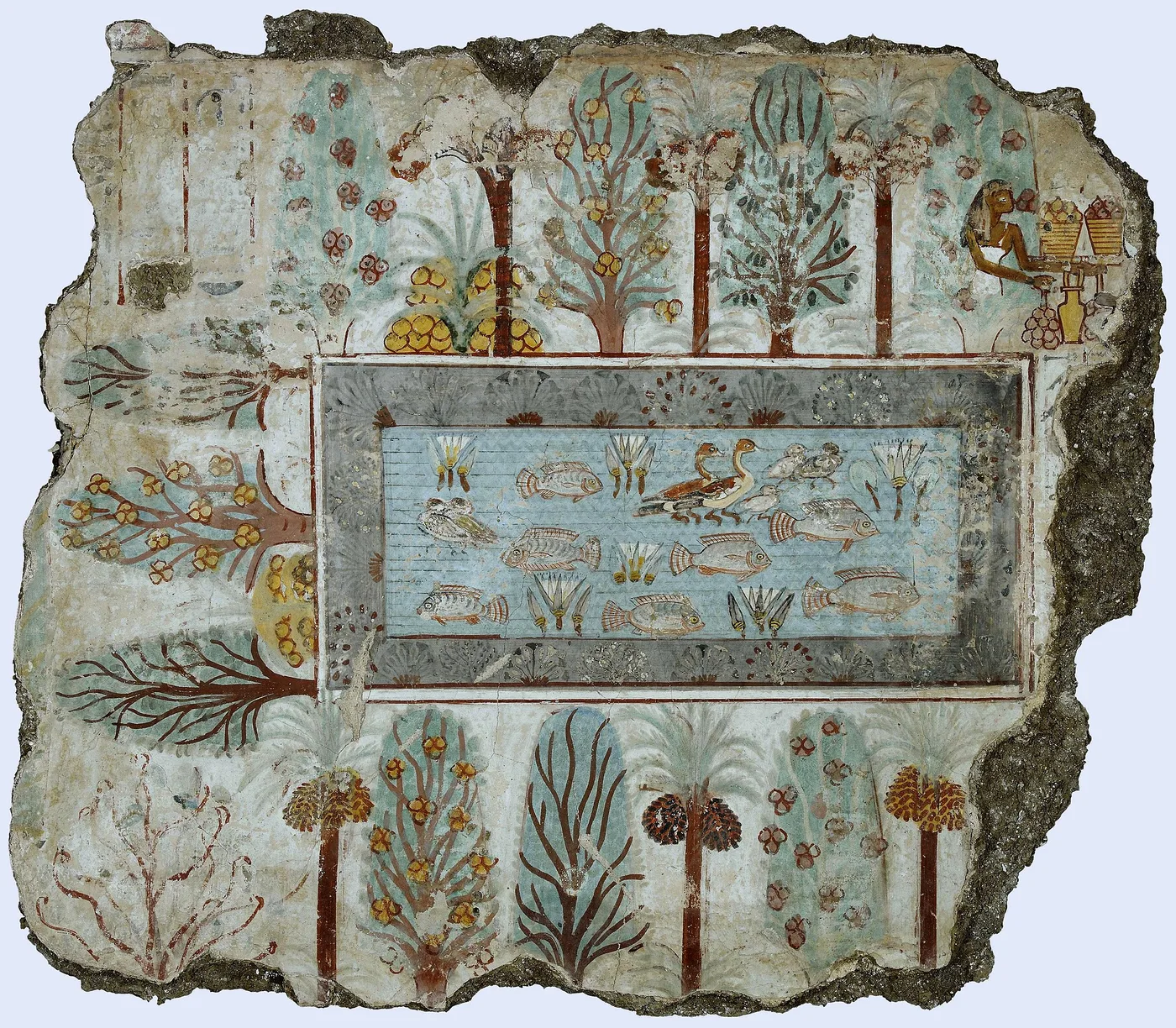
The Hebrew word tafal (JOB 13:4; JOB 14:17; PSA 119:69) is always used in a figurative sense, and normally it will not be necessary to find a literal translation; for example, in JOB 13:4 the literal text “you plaster with lies” may be rendered “You hide the truth with your lies” (SPCL) or “You cover up your ignorance with lies” (GNT).
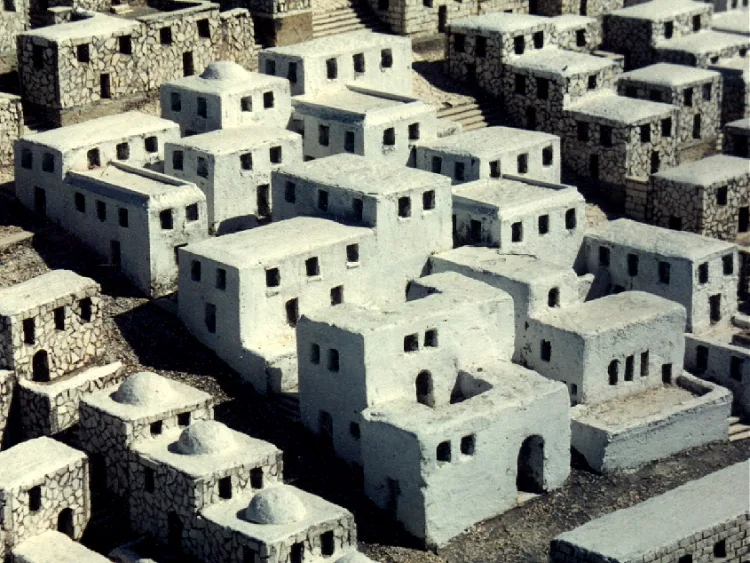
The references to whitewash in Ezekiel and the New Testament are symbolic. This should be kept in mind when trying to render the meaning; for example, in EZK 22:28 the literal text “And her prophets have spread whitewash for them” is expanded by GNT to “The prophets have hidden these sins like workers covering a wall with whitewash.” Where whitewash or some equivalent paint is unknown, translators may follow NCV, which has “And the prophets try to cover this up.”
In some of the references above it is not clear whether plaster or whitewash is intended. Some languages will require the translator to make a choice between the two. In most cases the context will help with the choice of terms. These following texts probably refer to plaster: LEV 14:43; LEV 14:43; LEV 14:48; DEU 27:2; DEU 27:4; PSA 119:69; DAN 5:5; SIR 22:17. The remaining references are probably to whitewash.
MAT 23:27: For many languages the closest equivalent of the phrase “whitewashed tombs” is simply “tombs that have been painted white.”
ACT 23:3: A literal translation of the phrase “whitewashed wall” is rarely meaningful. Sometimes you can use a descriptive phrase, such as “dirty wall that is made to look white” or “… to look clean.” In other instances you may wish to focus upon the function suggested by the idiom “whitewashed wall” and use a phrase such as “one who has been made to look good but really isn’t.”