Description
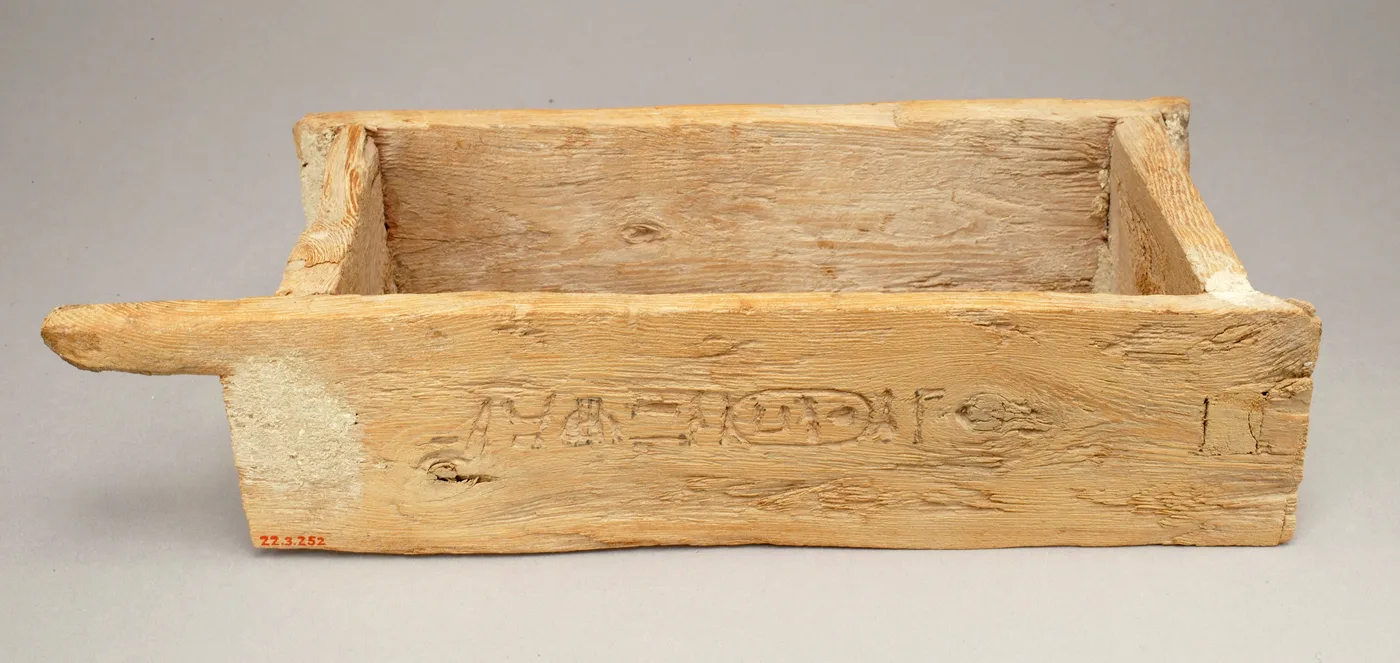
Brick mold: This was a small, rectangular wooden container (about 20–25 by 10 centimeters [8–10 by 4 inches]) used to form each brick into the same shape and size as the other bricks (see Brick).
Brickkiln: This was a large outdoor oven for baking bricks to harden them (see the illustration at Smelting furnace, kiln).
Usage
Translation
2SA 12:31: The Hebrew word malben is only a proposed qere reading; it is unattested in any ancient manuscript or version. However, the text as it stands is unintelligible. HOTTP suggests “brickkiln,” which is more or less what is found in most translations. GNT and CEV have “making bricks,” NCV uses “build with bricks,” and NRSV has “brickworks.”
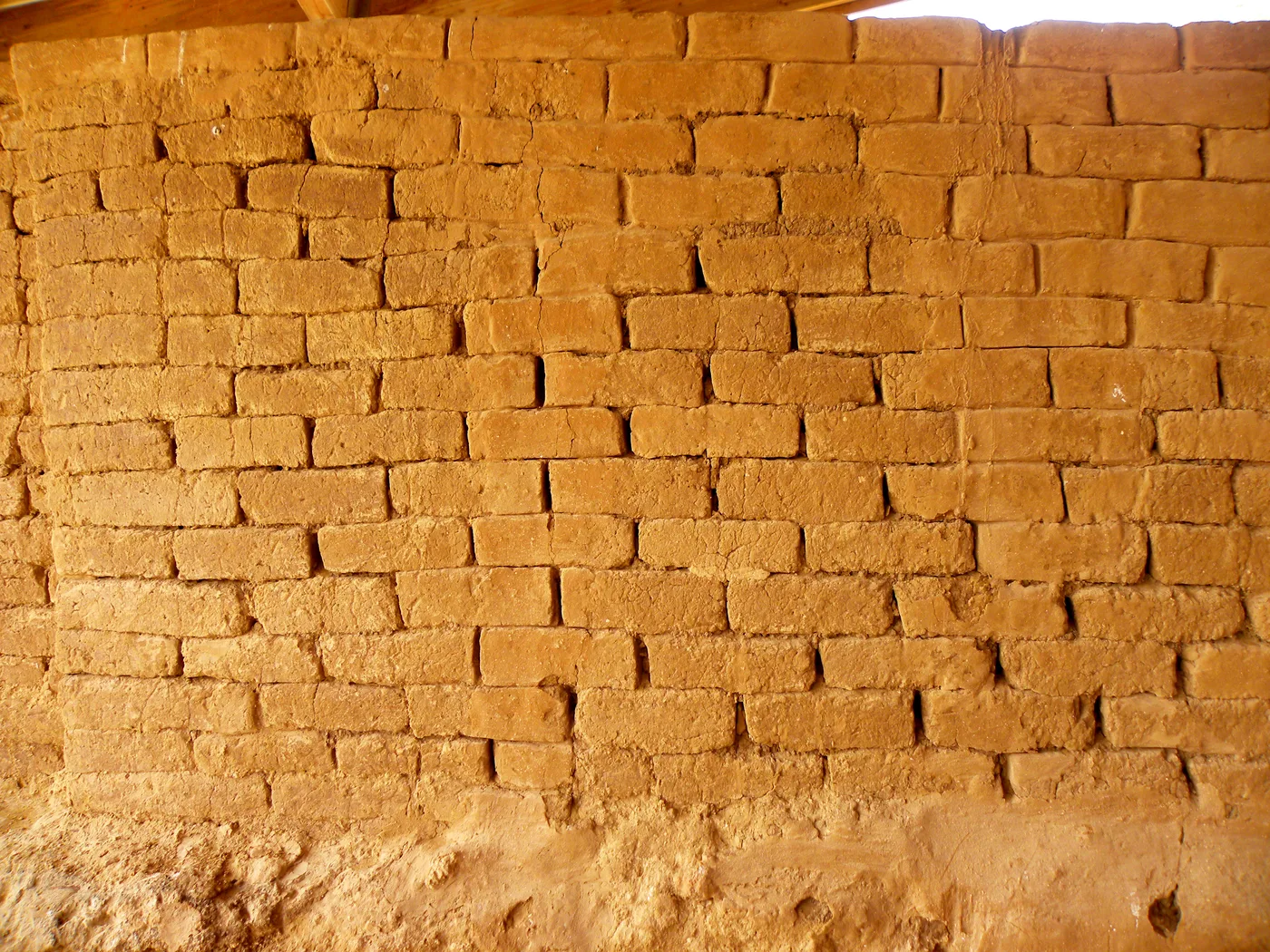
NAM 3:14: The following is adapted from A Handbook on The Books of Nahum, Habakkuk, and Zephaniah (pages 55–56): The last half of this verse speaks about various parts of the process of making bricks. The first two parts are “go into the clay, tread the mortar” (RSV). They refer to the trampling of the clay underfoot to make it soft enough to be shaped. GNT drops the repetition and expresses this aspect of the brick making in a single clause: “Trample the clay to make bricks.” When the clay was soft enough, it was put into a brick mold. The bricks were then removed from the mold to dry in the sun. Nahum tells the people of Nineveh to “take hold of the brick mold” (RSV), or as GNT puts it more clearly, “get the brick molds ready.” The last half of this verse can also be rendered “Trample the clay that you use to make bricks, and prepare the brick molds” or “Use your feet to soften the clay that will be used to make bricks ….”
See also the discussion at Pavement, The Pavement.