Description
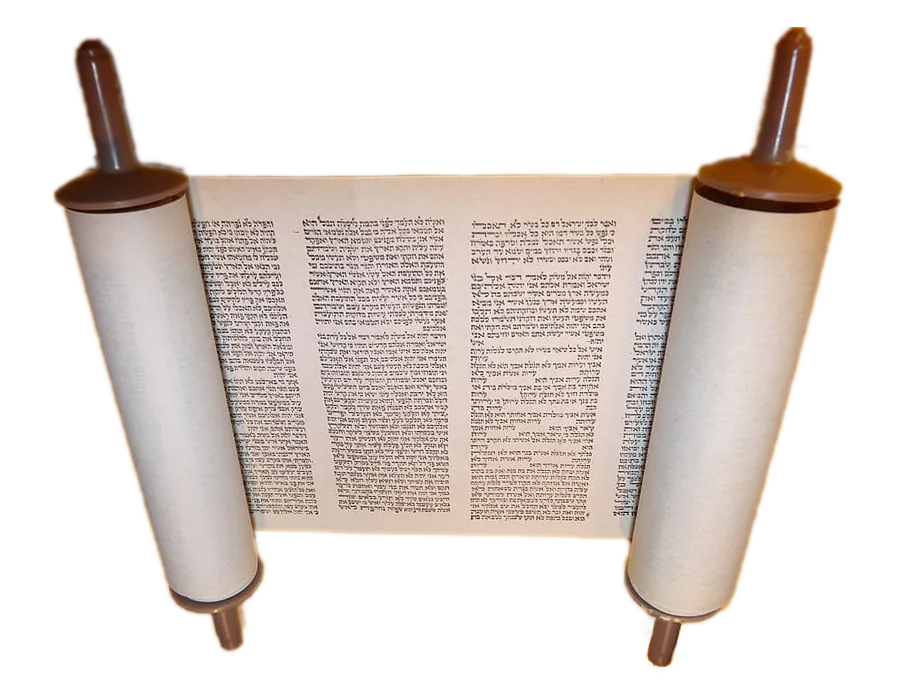
The scroll was a long strip of writing material made by sewing together sheets of papyrus or parchment. This strip was then rolled up from one end or from both ends to form one or two cylinders. Usually the ends of the scroll were attached to sticks, around which the scroll was rolled. An unrolled scroll was often about 10 meters (33 feet) in length. It stood approximately 23–25 centimeters (9–10 inches) high. See also the illustration at Ink.
Usage
Translation
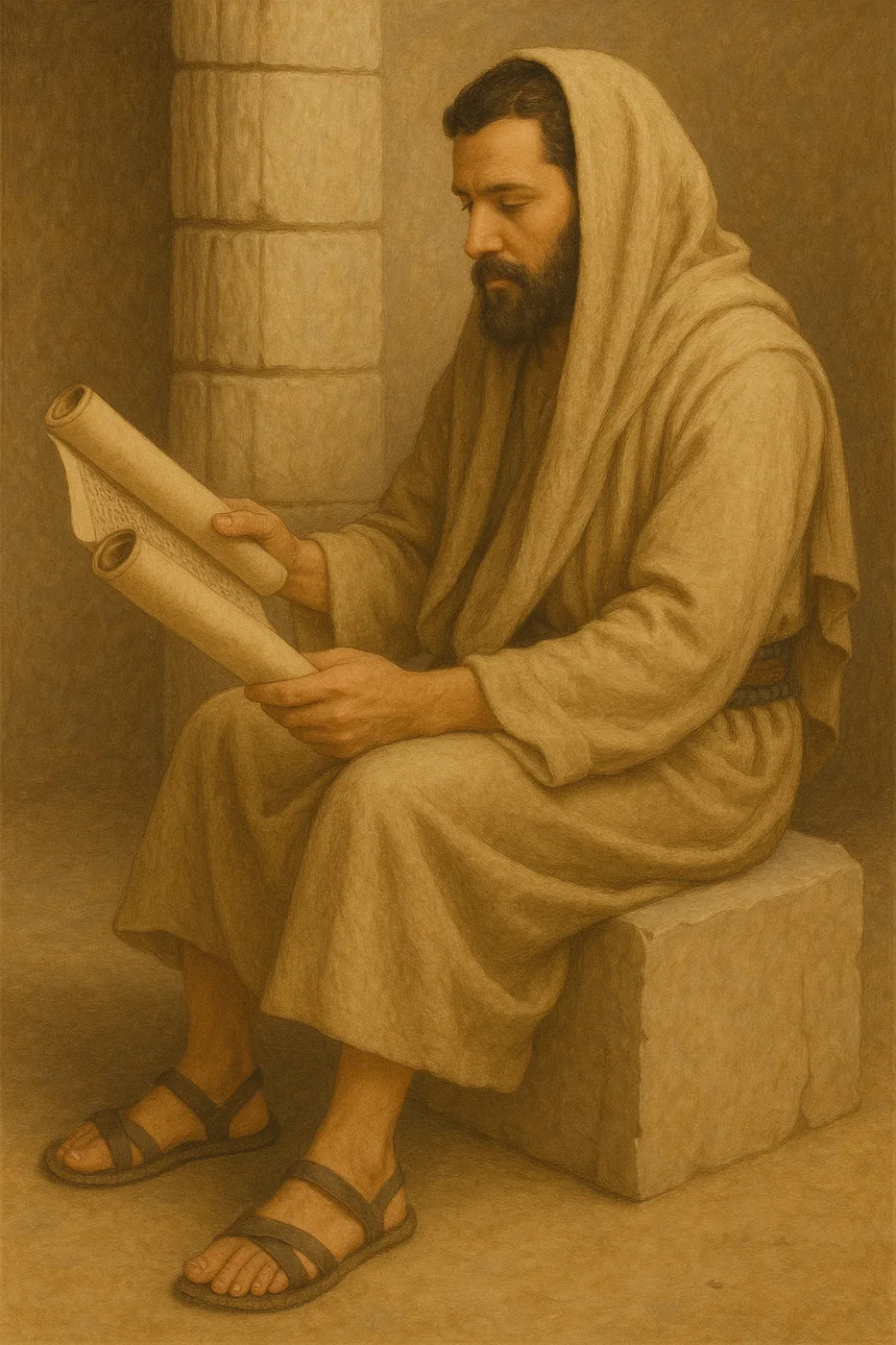
In the case of practically all terms for documents (for example, “letter,” “book,” “scroll”), the meaning involves not only the object on which the writing is done, but also the contents of the writing. In some languages a distinction must be made between these two aspects of such objects, and translators must make certain that the particular expression used in a receptor language will at least include the contents and not refer merely to the materials on which the words were written.
Scrolls varied in length but otherwise there was little difference between the physical construction of a short document and a long one. Thus, for example, the Hebrew word sefer may indicate a longer document (“book”), or it can also designate something shorter, which may best be translated “letter,” “writing,” or even “document”; for example, GNT renders it “papers” in DEU 24:1 and “letter” in 2KI 5:6.
Exceptionally long books might be written on more than one scroll. The Greek word kefalis in HEB 10:7 refers to one such section or scroll of a book.
The codex, or bound book with individual pages, only came into use in the first century B.C. and in common use only a century or two later. Thus, all references to books in the Old Testament, in the Deuterocanon, and probably in the New Testament are to scrolls. Nevertheless, the closest equivalent in most languages for “scroll” is the term used today for “book,” and this will normally be the proper translation.
In ISA 29:11; ISA 29:12 the Hebrew verb yada’ (“know”) occurs with the word sefer to indicate the ability to read and should be translated “knows how to read” (GNT) or “can read” (RSV). In DAN 1:4 the word sefer may indicate either “literature/writings” (NRSV, SPCL, REB) or the ability “to read and write” (GNT). In some languages the idea of literature may be unfamiliar, but there will probably be some way of talking about “written things,” and this may be the nearest equivalent available.
TOB 7:14: On the scroll in this passage were written the terms of agreement between a man and a woman entering into marriage. Almost all cultures know some means by which two parties agree to a marriage. If this is a written document, then the name for that document may be used.