Description
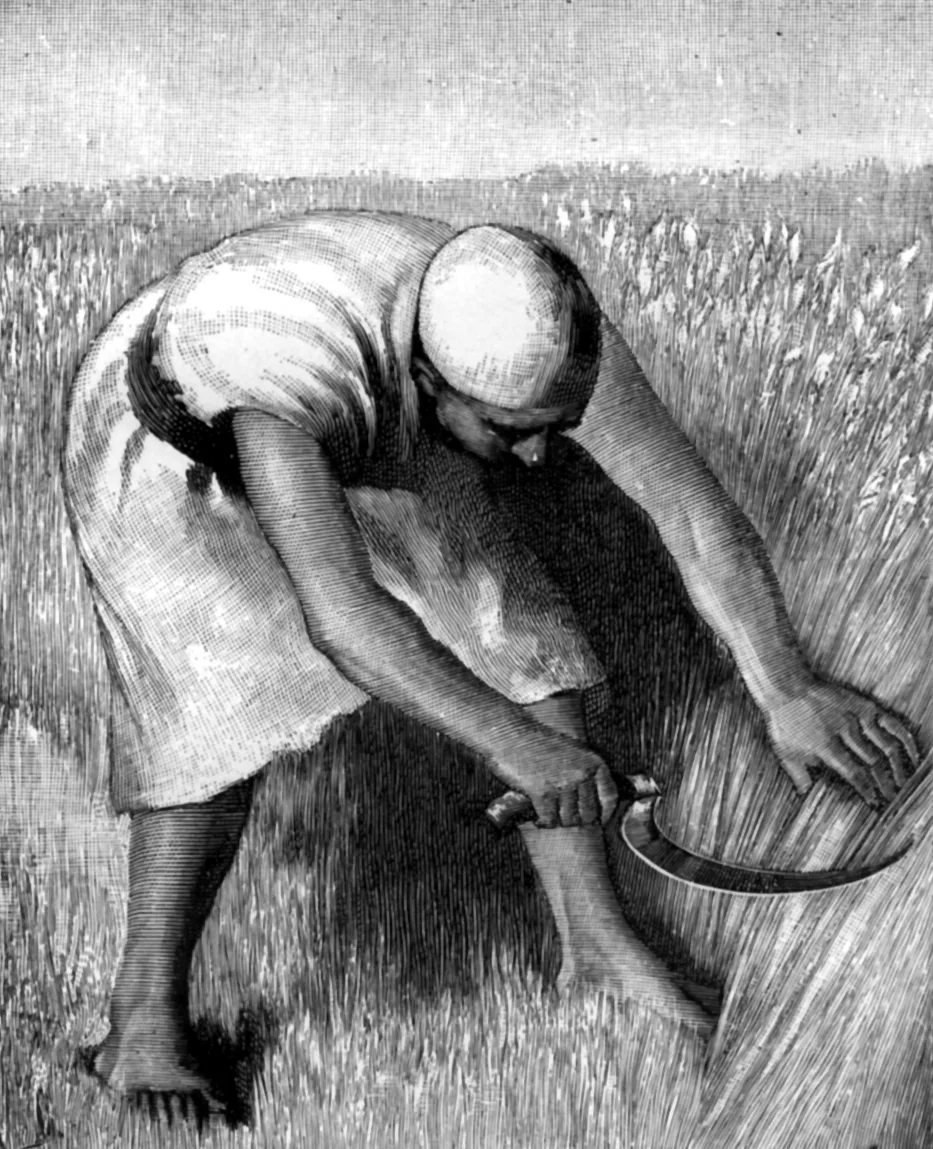
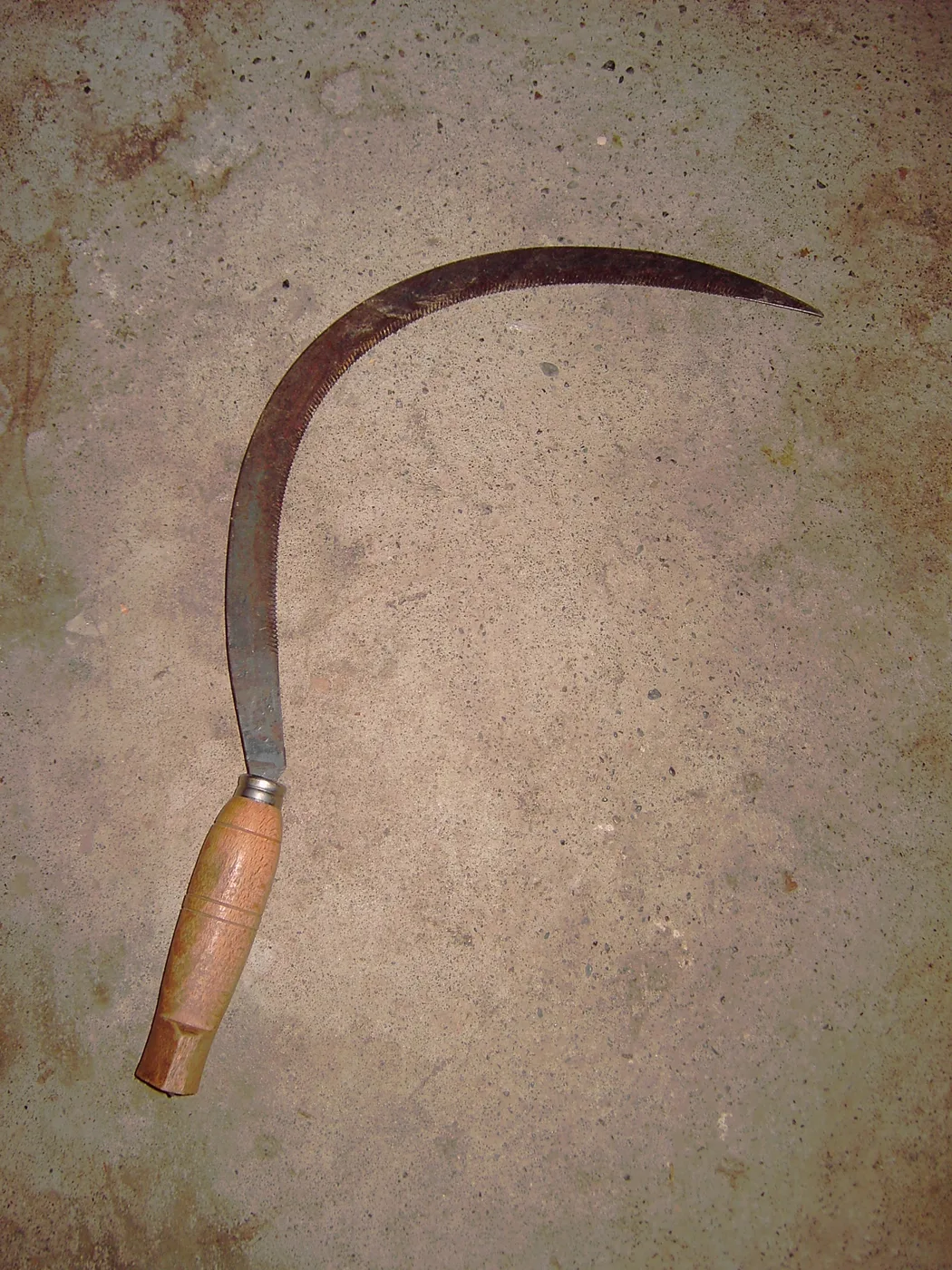
The sickle was a large, curved knife used for cutting ripe grain. It had a short wooden handle (15–20 centimeters, 6–8 inches).
Usage
Translation
Where there is no receptor-language term for “sickle,” translators may often use a descriptive phrase, such as “curved knife for cutting grain,” “reaping hook,” or “machete for reaping.” In REV 14:0 the word sickle is used in idiomatic expressions that could be confusing to the reader. For example, in REV 14:15, rather than the literal “Put in your sickle, and reap” (RSV), it may be clearer to say “Use your sickle and reap the harvest” (GNT). The long-handled scythe was unknown in ancient Israel. Where a translator must choose between a short-handled implement and a long-handled one, the former will be more accurate.