Description
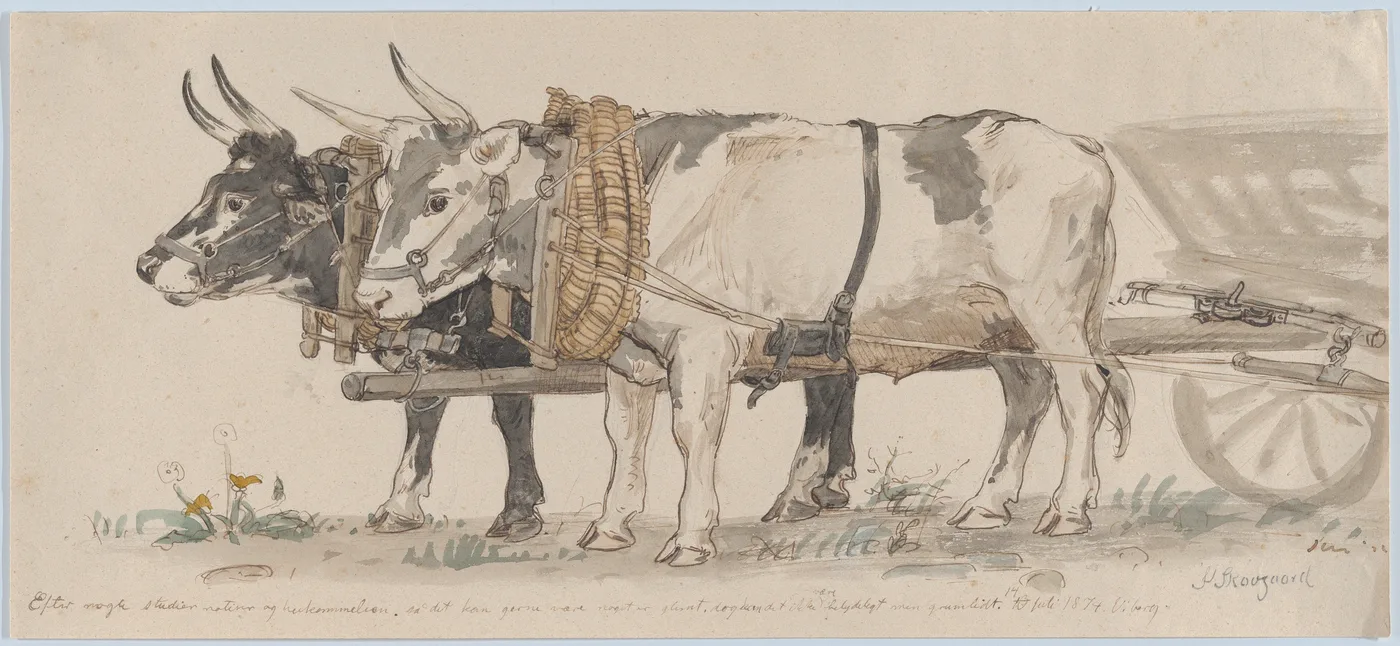
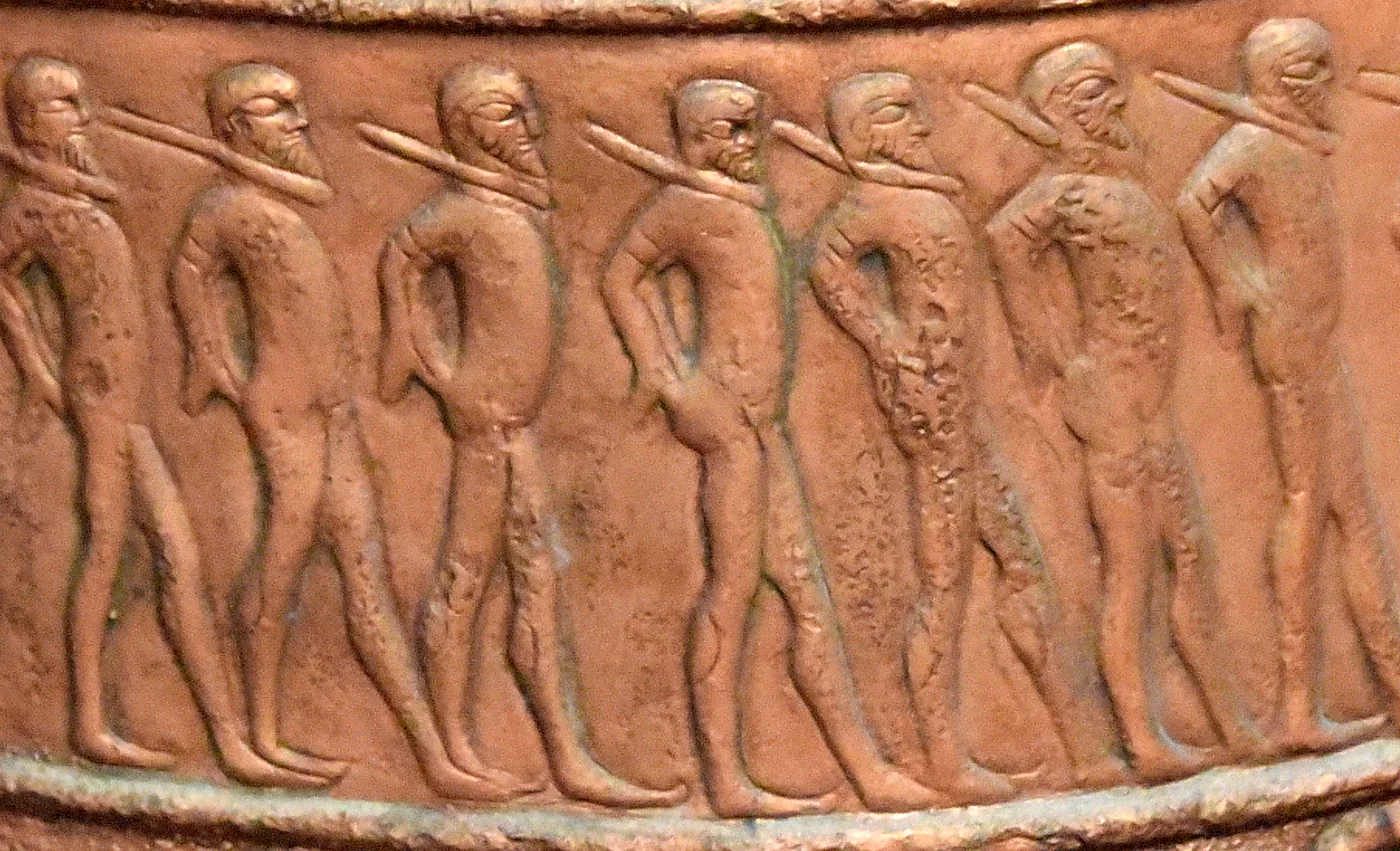
The yoke was a bar or frame of wood by which two draft animals were joined at the neck so that they could work together effectively in pulling a plow, threshing board, harrow, or wagon. A similar device was used on human beings, but then it was usually a single harness, not the double one used for animals.
Usage
Translation
Where the yoking of draft animals is unknown or unfamiliar, in NUM 19:2 (and similarly for DEU 21:3) translators may follow GNT, which renders the literal text “on which a yoke has never been placed” as “which has never been worked.”
Always in the New Testament and frequently in the Old Testament, “yoke” appears in figurative contexts. It then becomes a symbol of the subjection and servitude of slaves. In such cases (for example, LEV 26:13; ISA 10:27; JER 28:2, JER 28:14; JER 30:8; EZK 34:27; NAM 1:13; ACT 15:10; GAL 5:1; 1TI 6:1), translators may avoid the literal meaning and translate the figurative sense (LEV 26:13: “… I broke the power that held you down …” [GNT]). Similarly, in SIR 40:1GNT has “… A heavy burden lies on all of us ….”
For the possible reference to a yoke at LAM 5:5, see the comments in A Handbook on Lamentations, page 134.
In SIR 33:27 a yoke is associated with the wearing of a special “harness” or “collar.” This was a device of rope, leather, cane, or wood worn around the neck. The yoke was attached to it. Since it is associated in this verse with control of the animal’s movements, the Italian common language translation (ITCL) renders the word as “reins.” The use of kloios in SIR 6:24; SIR 6:29 is symbolic. In many languages it will be possible to retain the reference to chains and the yoke. However, where a language does not permit such usage, we may say something like “Let all of your actions be ruled by Wisdom” (verse 24) and “If you allow Wisdom to rule you, you will be kept safe, and you will be in control of what happens to you” (verse 29).