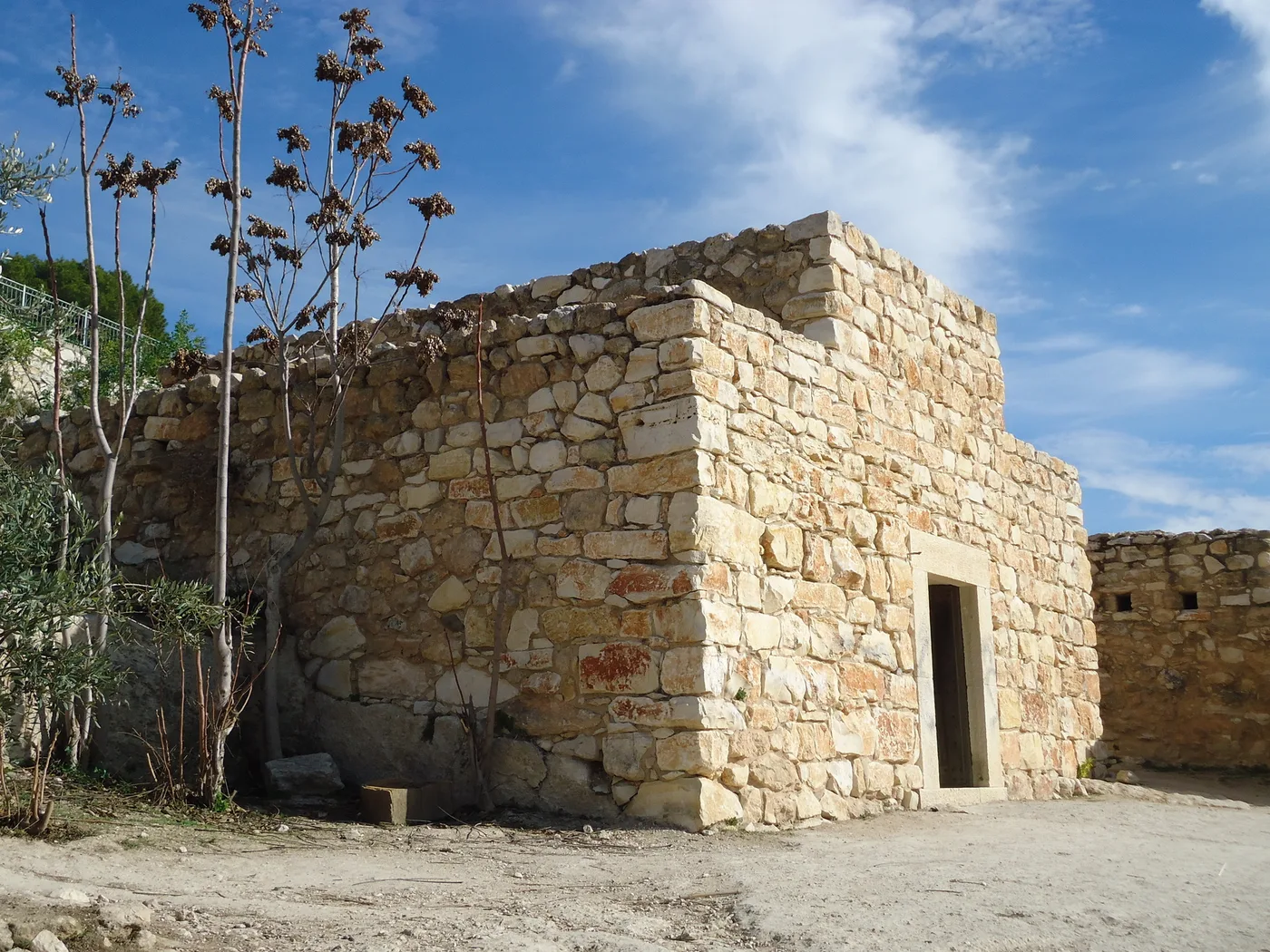
Description and usage
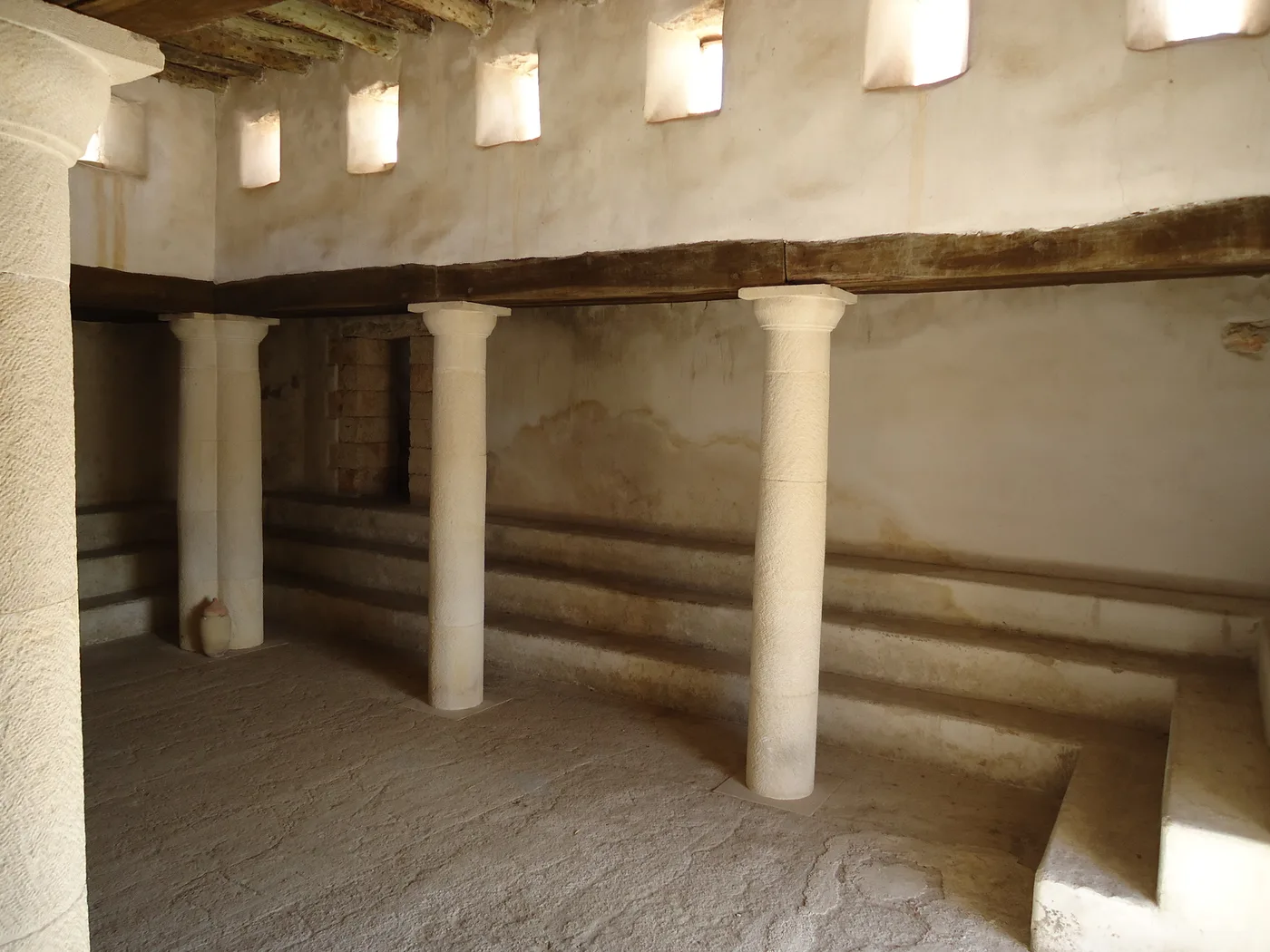
Translation
Synagogues are mentioned frequently in the New Testament, but surprisingly little is known about their physical structure at that time, since almost none have been excavated which can be dated definitely to the time of Jesus. While they probably had a literal “orientation” (that is, facing east), they had little of a distinctive architecture until after the period of the New Testament. Fortunately, it is not essential for the task of the translator to know details of the structure of the synagogue.
It is important to distinguish clearly between “synagogue” and “temple,” and it is not enough to speak of synagogues merely as “small temples.” There were many synagogues, but only one Temple in Jerusalem, the only place for Jewish sacrifices. It is better either to borrow a term for synagogue or to employ a descriptive equivalent such as “place where Jewish people worshiped God” or “building for worshiping God.”
It is also important to distinguish in translation between “synagogue” and “church,” whether these terms refer to the congregation or to the building.
The Greek word sunagōgē appears about a dozen times in the Deuterocanon, always with the meaning of a congregation or assembly of people. It should never be rendered in these books as some kind of building.