Discussion
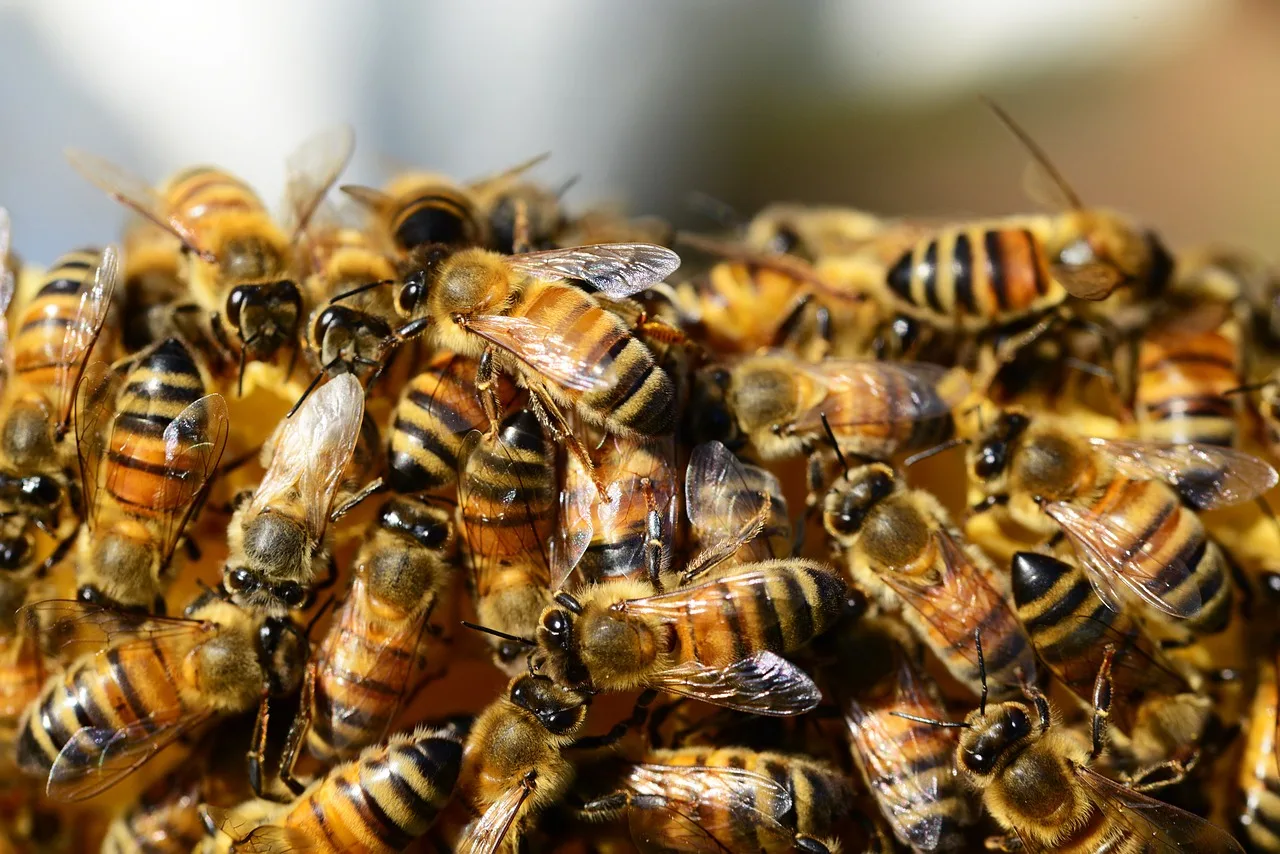
The species of bee found in Israel in biblical times was obviously a fierce strain, since most of the references are to it swarming around and attacking people. In fact it is likely that all bees were originally much fiercer than the fairly docile bees commonly kept in hives today(the result of breeding from selected queen bees. Most biblical references are to “wild bees", that is, bees in natural hives rather than in hives made by man. However, it is likely that bees were also kept in apiaries, since we know that the practice was common in Egypt, Greece, and Rome from very early times.
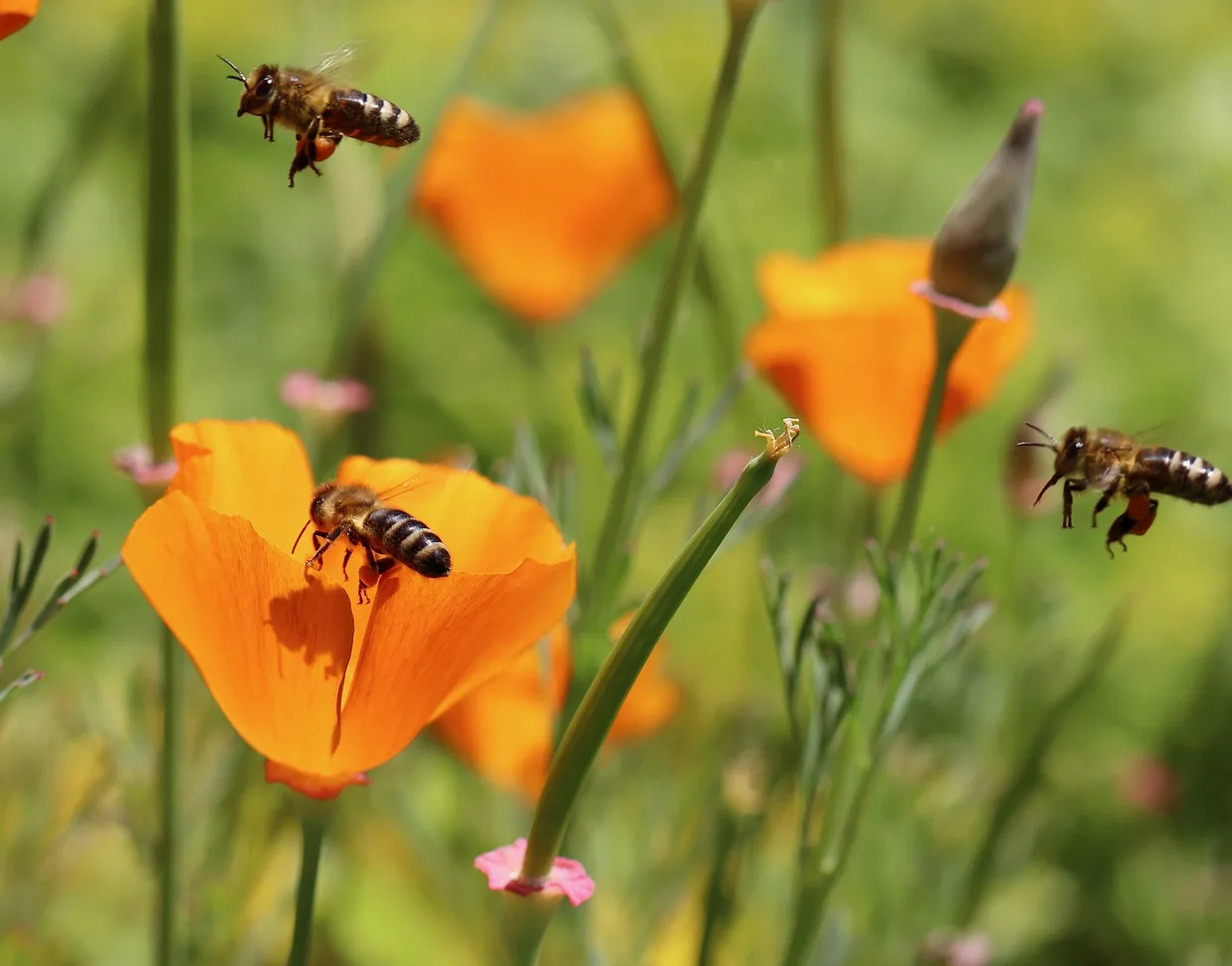
The Hebrew word for “honey", devash, is also used for syrup extracted from figs, dates, and grapes, or from certain types of palm tree. The phrase “a land flowing with milk and honey” refers to a land that is fertile and thus rich in pasture, fruit, and the grain and flowers from which bees make honey.
Description
Translation
Since bees are universal, translation usually does not present a problem. Where no generic term exists for bees in general, the specific name for a honey bee, or a bee that makes edible honey, should be used at JDG 14:8, but in all other references the word for a type of bee that swarms around and stings intruders should be used.
Note: The NEB rendering of “They surround me like bees at the honey” is certainly mistaken. It is not bees swarming around honey, but bees swarming to attack, that is in focus.