Discussion
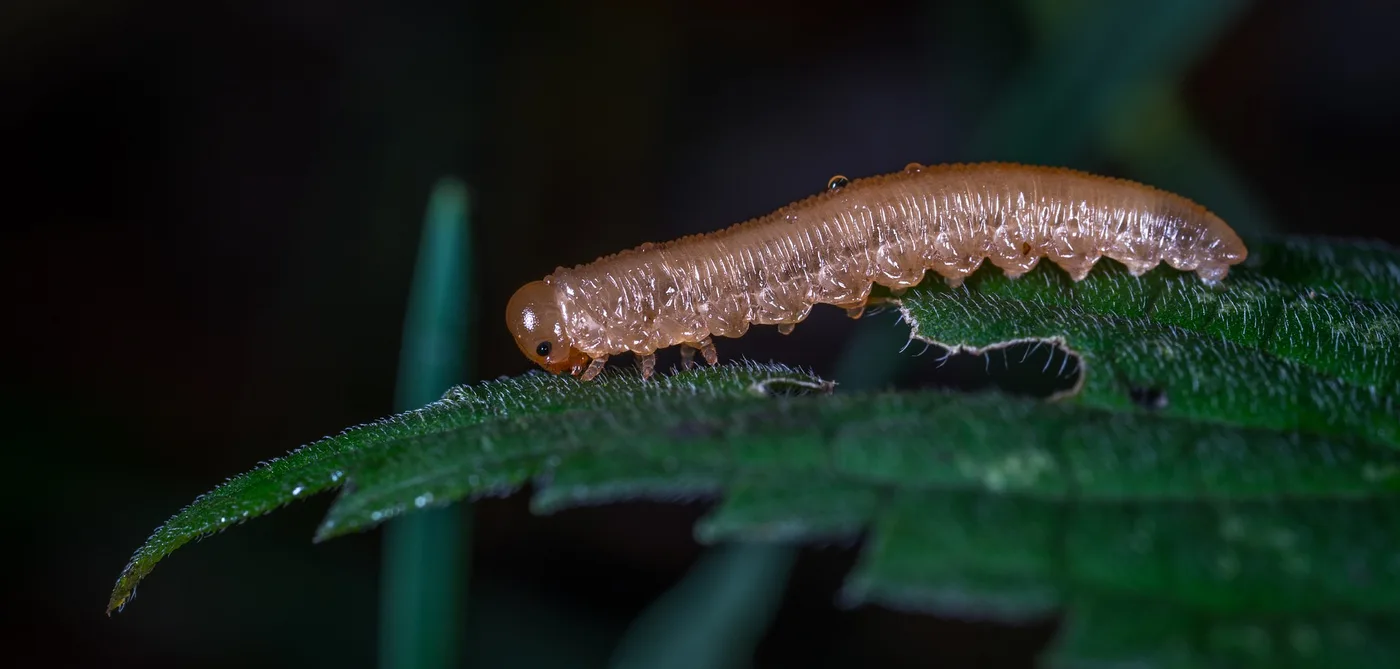
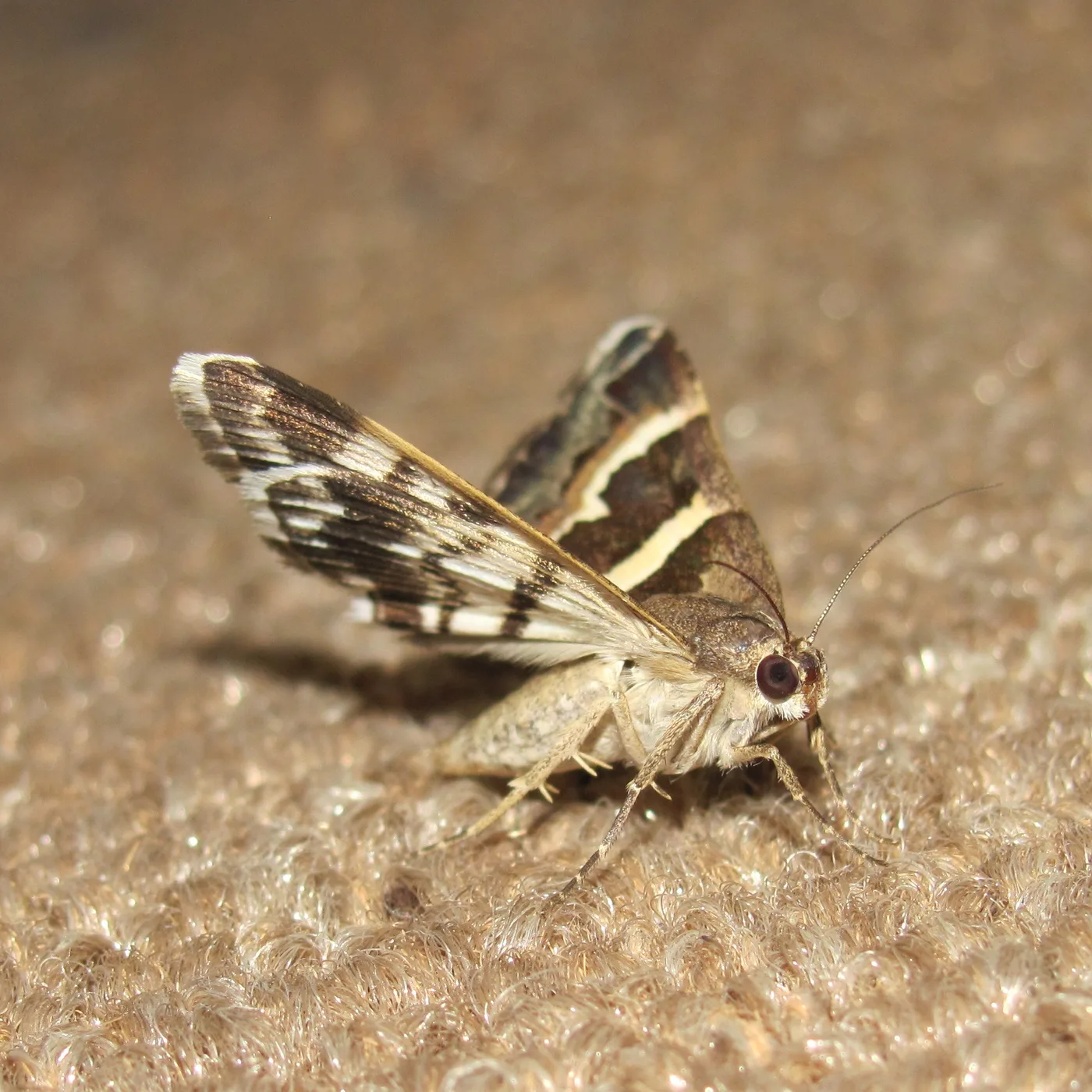
There is general consensus that ‘ash refers to a moth, and sas to its larva stage in the Hebrew Bible, and that sēs in the New Testament also refers to a moth. The moth referred to is always in contexts of destroyed or damaged clothing, so the reference is obviously to a moth that lays its eggs on human clothing. This limits the type of moth to one of the clothes moths of the Tineidae family, probably Tineola biselliella. Although the damage is blamed on the moth in the Bible, it is actually its larvae that cause the damage. It is possible that both moth and larva are meant when ‘ash is used.
Description
Special significance or symbolism
Moths are symbols of decay, ruin, and slow destruction.
Translation
JOB 4:19: Most versions follow the Hebrew in the last part of this verse, which means “they are as easily crushed as a moth is."
JOB 27:18: In the first half of this verse most translations follow the Septuagint and the Syriac versions, which read “he builds his house like a spider’s web,” rather than the Hebrew “he builds his house like a moth.” However, if the moth pupa was also called ‘ash, then the Hebrew text can be taken to mean “he builds his house like a moth’s cocoon,” which is basically the same poetic image as the Greek and Syriac versions.
JAS 5:2: A verb is used in this verse which means “eaten by moths” and which contains a derivative of the noun sēs.