Discussion
There is considerable doubt about the meaning of ken. The root from which it seems to be derived means “to make firm” or “establish", possibly also “to remain firmly attached". The various possibilities reflected in the English versions all have some support.
Four of the five references relate to the plagues that troubled Egypt prior to the Exodus. Some of the insects that have been suggested are discussed below:
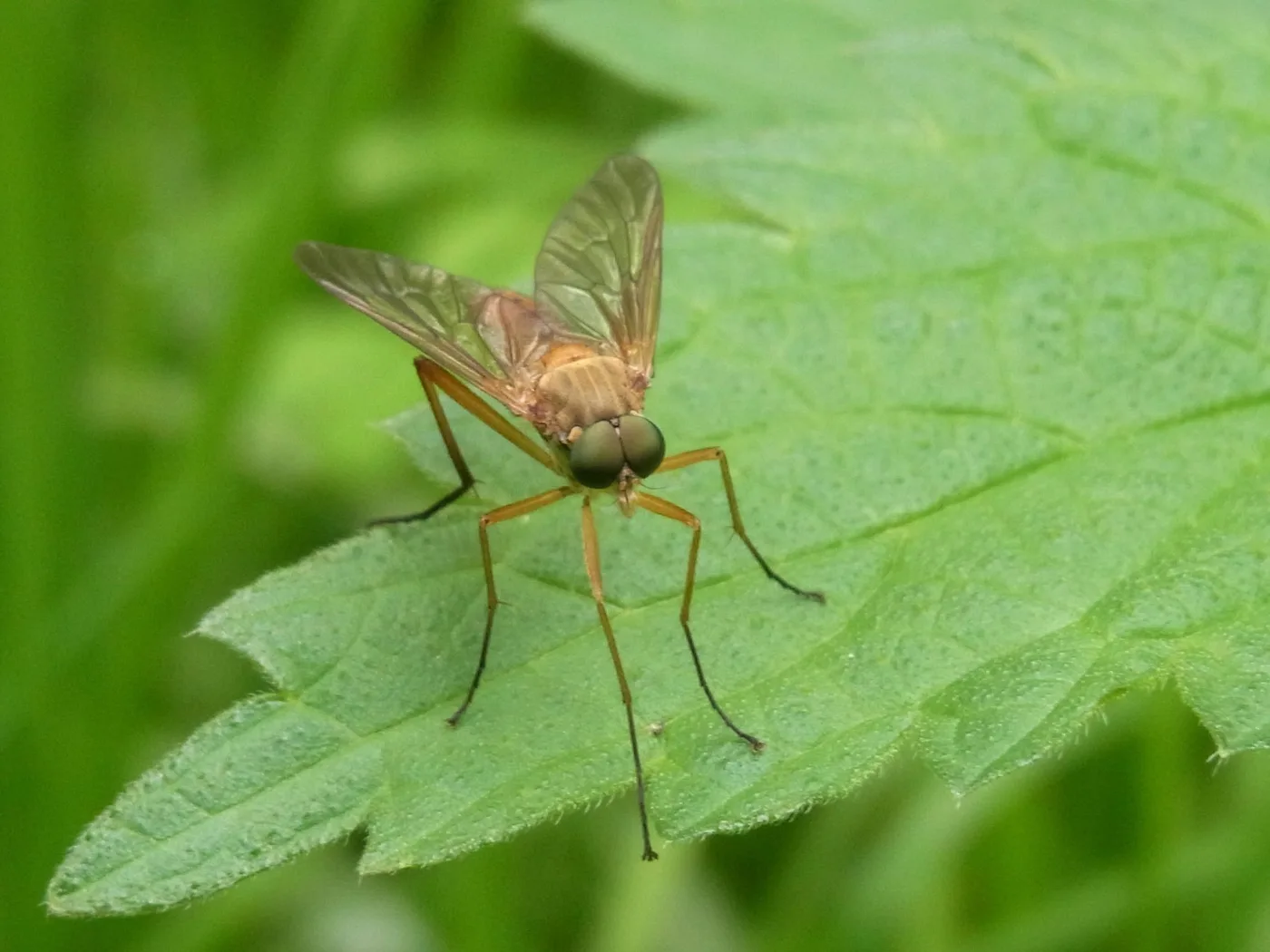
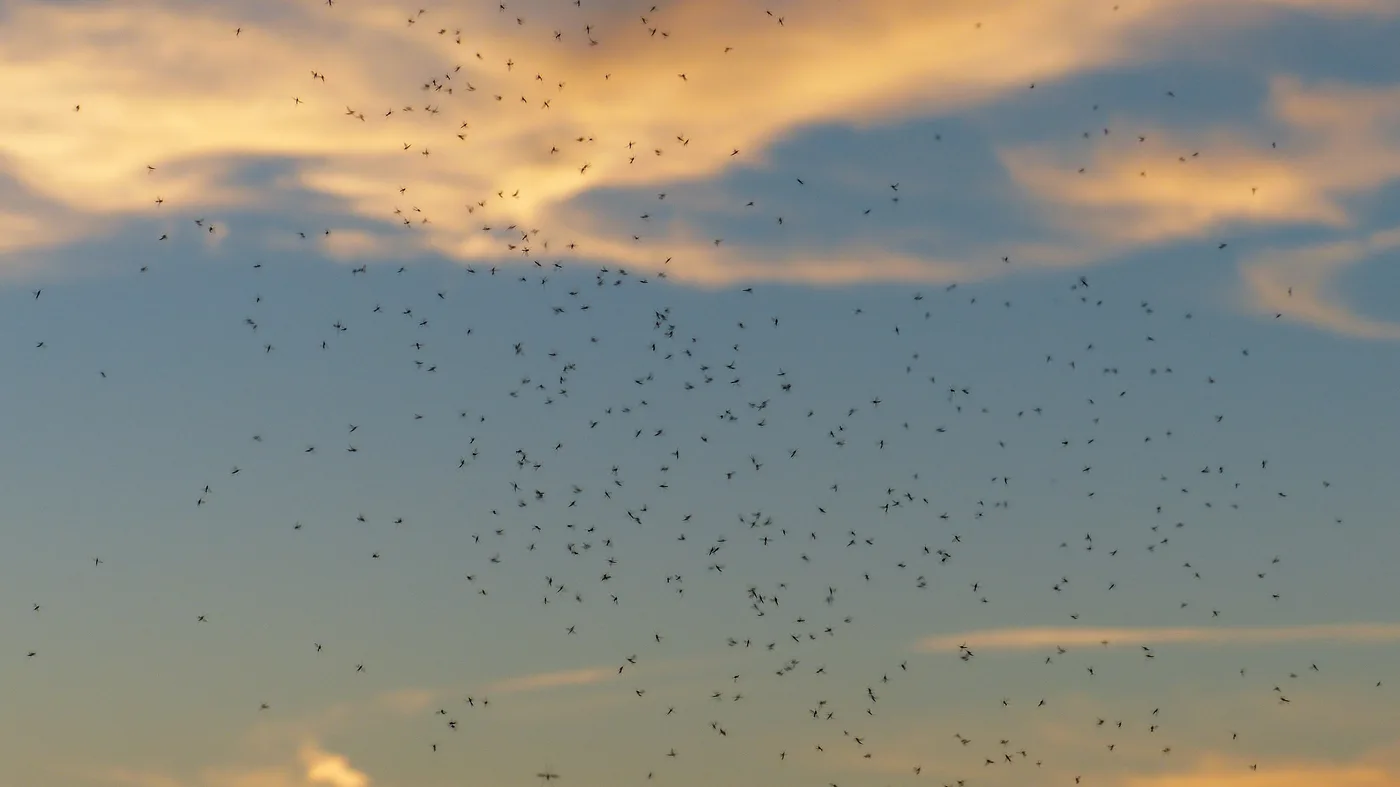
Gnat/Mosquito: “Gnat” is a fairly archaic word for a number of species of small flying insects, such as mosquitoes, lake flies, and the minute flies also known as “midges". These all abound naturally in Egypt, especially in the Nile Valley. Thus the pest referred to by the Hebrew ken is likely mosquitoes that bite humans, in this case the Malaria Mosquito Anopheles. This identification was supported by Hort, who pointed out that once the Egyptian frogs had all died, mosquitoes and flies were bound to multiply in unprecedented numbers.
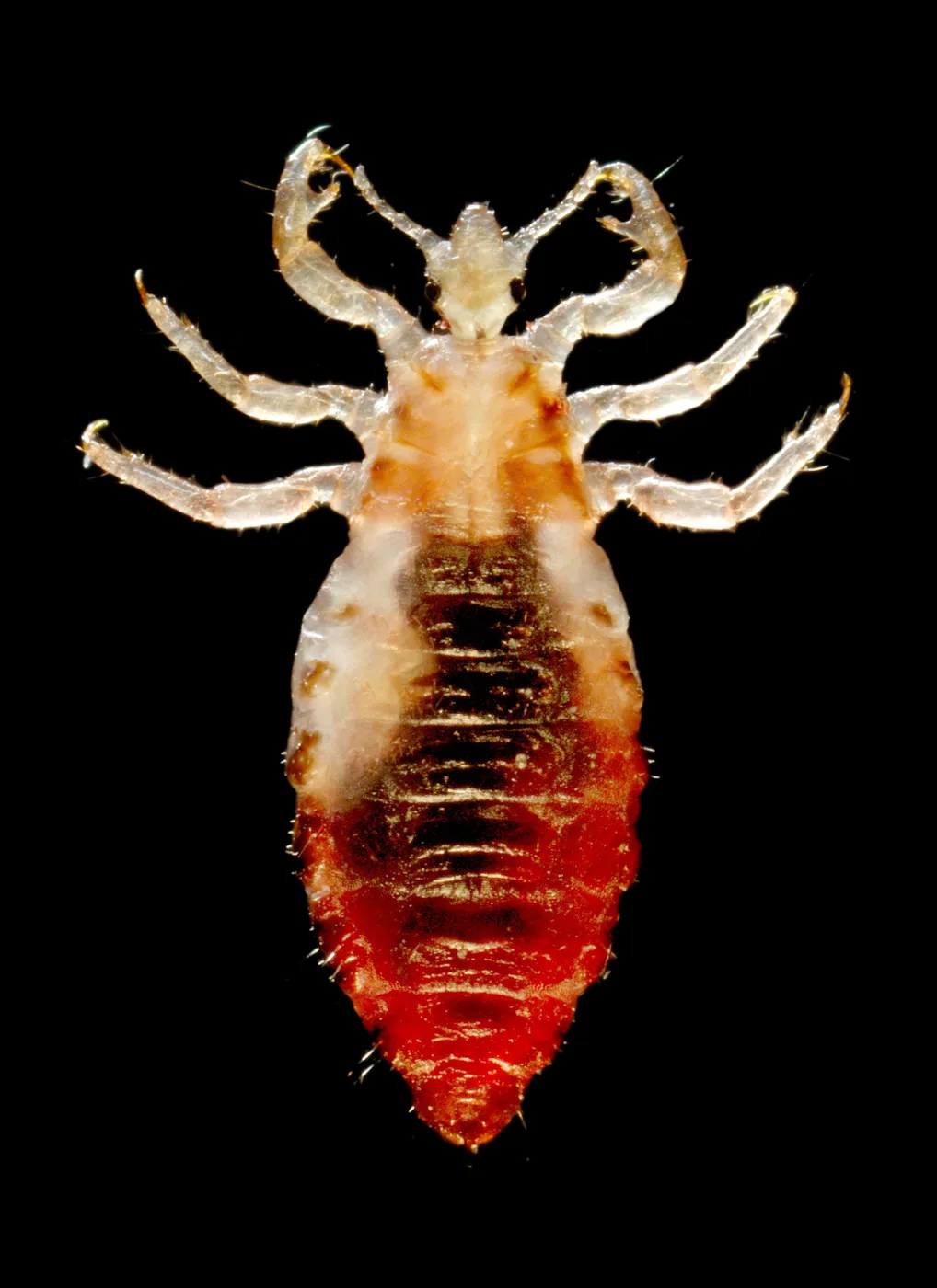
Lice breed in dirt, and since the water in the first plague had “turned to blood,” the Egyptians probably did not bathe for some time. Conditions were probably dirtier than usual. Lice are also the carriers of the killer disease typhus. However, as a counter argument to the suggestion that ken are lice, some scholars have pointed out that the biblical text indicates that the kinim attacked man and beast, and lice are not normally a serious threat to livestock, but only a nuisance.
The KJV translation “lice” has the support of the eminent zoological archaeologist F.S. Bodenheimer, as well as rabbinical tradition and ancient commentators such as Josephus.
Maggot: The maggots found in many tropical countries are the larvae of various species of fly. The fly lays its eggs in clothing or in wounds on the skin. The eggs quickly hatch out as minute worms that burrow into the surrounding flesh, on which they feed. As they grow larger they form lumps like boils under the skin. The mature larvae then emerge, leaving open sores. These maggots are thus associated with flies on the one hand and with boils on the other. It seems significant that two of the following three plagues in Egypt were in fact flies and boils. This logical possibility is the main support for the NEB and REB rendering. See also Worm, maggot.
Ticks are small eight-legged creatures belonging to a class called Arachnida, which also includes spiders and scorpions. However, ticks are much smaller than the other members of the class and do not look like spiders or scorpions. They attach themselves very firmly to the skin of a person, animal, reptile, or bird and begin to suck blood (compare the meaning “attached firmly” which some scholars suggest as the root from which ken is derived). The females become so bloated that they swell to almost one hundred times their original size and then drop off and lay many eggs in the soil. When these eggs hatch, hundreds of baby ticks emerge and settle into the dust or attach themselves to grass stems. They are able to exist like this for many months, just waiting for a suitable person, animal, or bird to pass by. Once they are able to get onto the creature they were waiting for, they crawl around until they sense a blood vessel close to the surface. Then they bite into the skin and begin to feed. The places where they have begun to feed become very itchy and may turn into sores.
Ticks are a common pest in Egypt and many other subtropical and tropical countries. They carry diseases that can be dangerous to man, such as tropical tick fever (also known as relapsing fever), or dangerous to animals, such as Texas cattle fever and distemper. No English translation has yet adopted this interpretation, which is just as plausible as that of the NEB and REB. However, scholars such as J.G. Wood and G.S. Cansdale have supported this translation.
The Greek word sknips means “louse".
Special significance or symbolism
ken is a symbol of a small but deadly plague, or a small but troublesome nuisance.
The inference associated with kōnōps in MAT 23:24 is something very small and insignificant.
Translation
Mosquitoes, lice, ticks, and maggots are found almost all over the world, apart from some desert regions. The translators should decide upon one of the possibilities for inclusion in the main text of the translation but indicate in a footnote the other possibilities. The footnote could be worded: “The meaning of the Hebrew word is not certain. It may mean … , or … , or. … "
ISA 51:6: In the middle of this verse the Hebrew text has the following:
Although the heavens may vanish like smoke
And the earth become worn out like clothing
And its inhabitants vanish like ken, … .
Many scholars suggest that instead of ken the Hebrew was originally kinim, and the text should read “vanish like mosquitoes/lice/ticks.” In this context the word would indicate small numerous (perhaps repulsive) insects with a brief life span. Thus NIV, TEV, REB, and NAB have “die like flies"; RSV has “die like gnats"; JB has “die like vermin". Some non-English translations have “die like ants” and “die like fleas".
The reference in MAT 23:24 to “straining out a gnat” relates to a Jewish practice, common in ancient times, of straining wine or water before drinking it. This was to avoid swallowing a mosquito or other insect, which would make the person ritually unclean according to LEV 11:0. TEV translates the word as “fly", because to English-speaking readers the fly is a dirty insect. However, the emphasis of Jesus’ saying is not on the unclean nature of the insect but on its small, insignificant character. In many languages the translation “mosquito” will suffice, but in some it may be necessary to use “tiny mosquito” to retain the inference.