Discussion
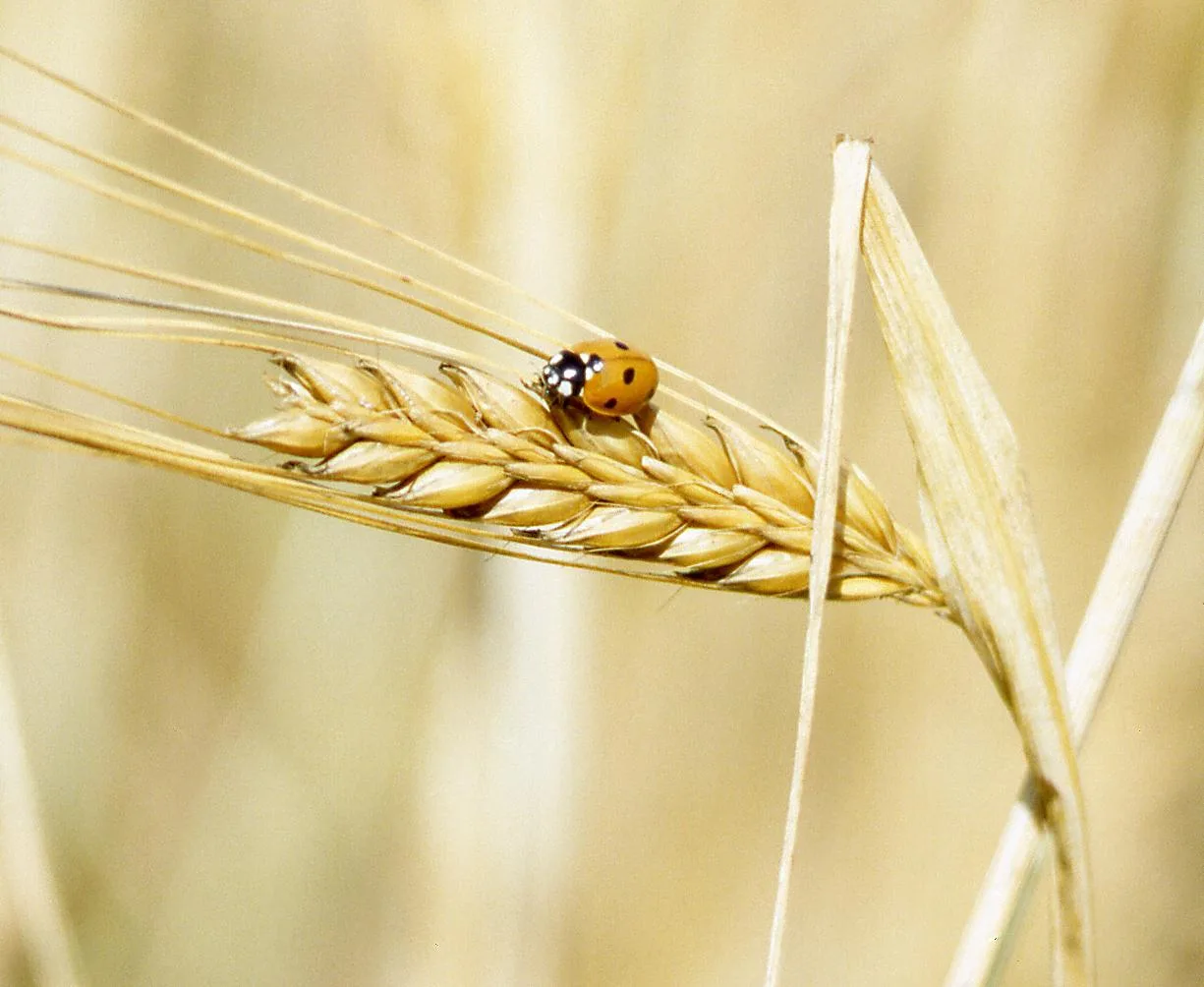
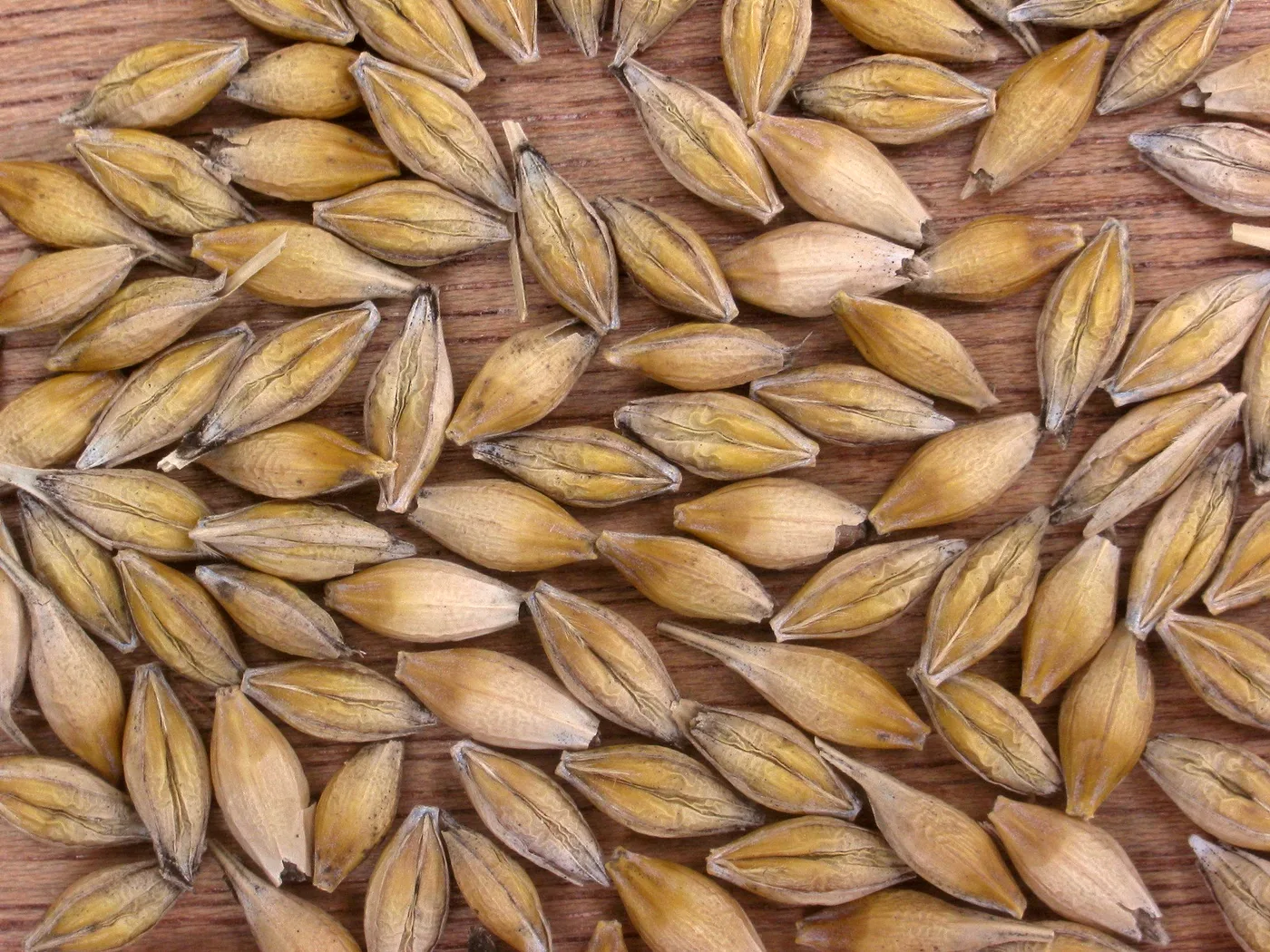
Barley Hordeum distichum or Hordeum vulgare is a type of grass like wheat and rice. It has been cultivated in the Middle East for thousands of years and is now one of the most prominent seed crops grown in the world. Twenty species are known, of which eight are European. Barley needs less rain than wheat does, so in the Holy Land it was typically found in the drier areas above the coastal plain and near the desert. From 2KI 7:1 and REV 6:6 we know that barley was considered inferior to wheat and was often used to feed animals, as it is today. When the wheat supply ran out, people had to make their bread with barley. Barley was gathered before wheat, the harvest coming around March or April in the lower regions and in May in the mountains (see EXO 9:31; 2KI 4:42). In Egypt and in ancient Greece barley was used to make beer.
Description
Special significance
In the story of Gideon and the Midianites in JDG 7:13, “a cake of barley” representing the (despised) Israelite army tumbles into the Midianite camp and knocks down the tent (representing the nomadic Midianites).
Translation
Barley is a plant of temperate zones, like Europe and the Near East; it does not grow well in the tropics. However, barley has been recently introduced along with wheat into many parts of the world for brewing beer and other malted drinks. It is also known to have grown in Korea as early as 1500 B.C. along with wheat and millet. It is becoming known in Malay as barli. Except for the reference in Judges, all references to barley in the Bible are non-rhetorical, so unrelated cultural equivalents are discouraged. Some receptor language speakers may coin a name for it as in Malay, or the translator can use a transliteration from Hebrew (se‘orah), Latin (horideyo), or from a major language (for example, Arabic sha‘ir, Spanish cebada, French orge, Portuguese cevada, Swahili shayiri), together with a classifier, if there is one (for example, “grain of shayir”). One translation used “rice of baali” but ran into a problem: Rice is now imported to parts of West Africa from Bali. Not surprisingly, it is called “rice of Bali” and was confused with “rice of baali.”
EXO 9:31 reads “The flax and the barley were ruined, for the barley was in the ear and the flax was in bud.” The plants and developmental phases referred to here can be confusing if translated literally. Two possible ways to render this verse are:
1. Use generic words plus a transliteration (for example, “grain of barli,” “plant of filas”), particularly in first half of the verse. The generic terms can be repeated optionally in the second half by saying “for the grain had already produced heads and the plants had flowers.”
2. Identify the plants generically and then put the actual name in parentheses or in footnotes; for example, the whole verse may be rendered “The crops that were ripe (barli) and those that were budding (filakis) were destroyed.” (The Hebrew chiastic structure has been rearranged in this example.)