Sorghum (durra)

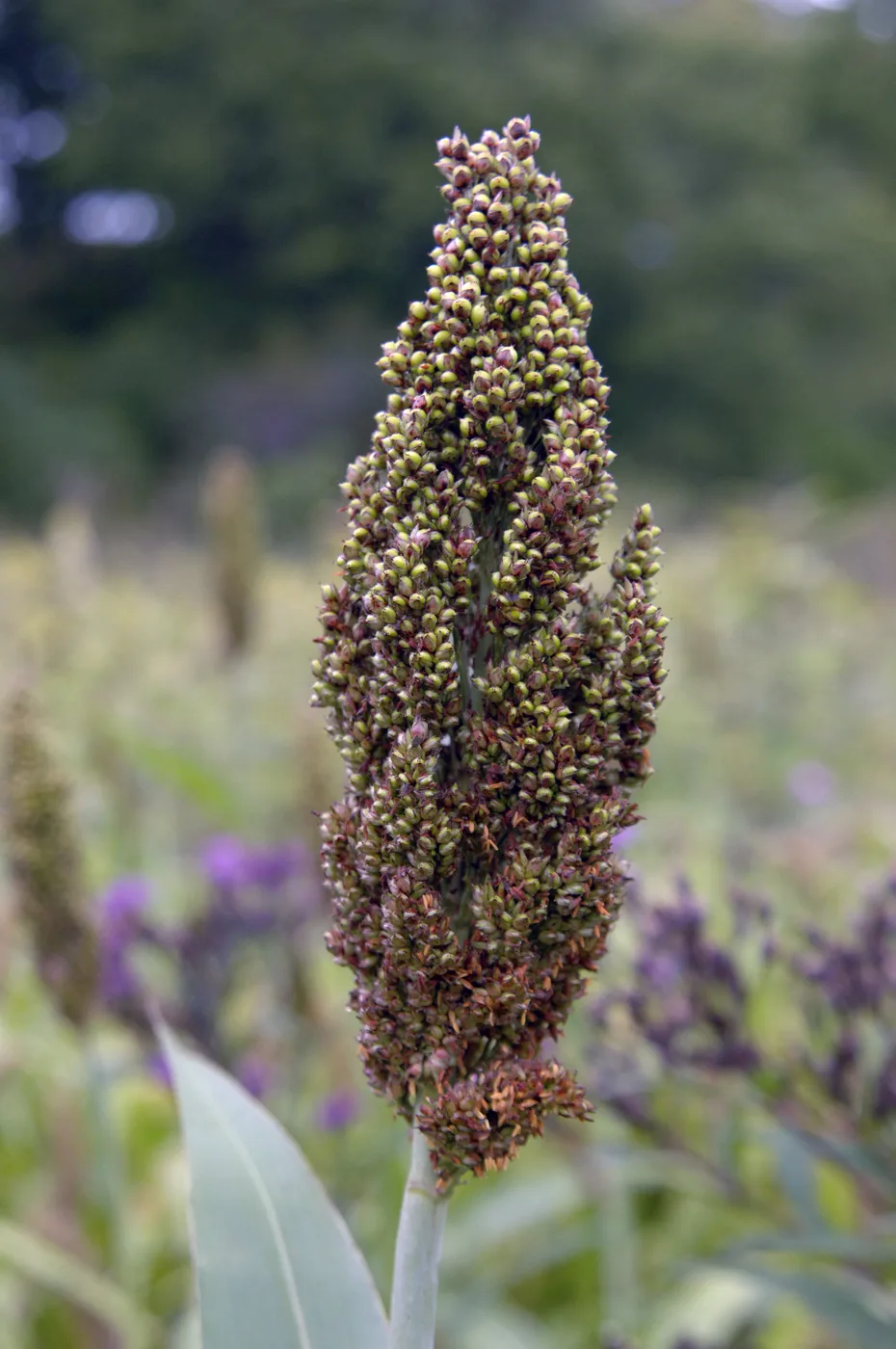
Sorghum (durra) (1)
Sorghum (durra) (1) (© Christian Fisher (Wikimedia Commons))

Reference:”

Hebrew דֹּחַן (dochan)

Discussion

Sorghum vulgare or Sorghum bicolor (known in West Africa as guinea corn or kint) may have originated in northeastern Africa (probably Sudan) and been carried through southwestern Asia to India as early as 2000 B.C. If so, it could have been known to the Israelites at the time of the conquest, and could be the dochan of EZK 4:9 (see Millet). According to Hepper, sorghum was only introduced into the Holy Land around the time of Christ, so the word dochan cannot refer to it. It has also been suggested that dochan refers to the “reed” (see Reed (common reed, giant reed)).

Sorghum is now the world’s fourth most important cereal after wheat, rice, and maize. It is used not only for food, but also for the sweet juice from its stalk, and for brooms and brushes.

Description
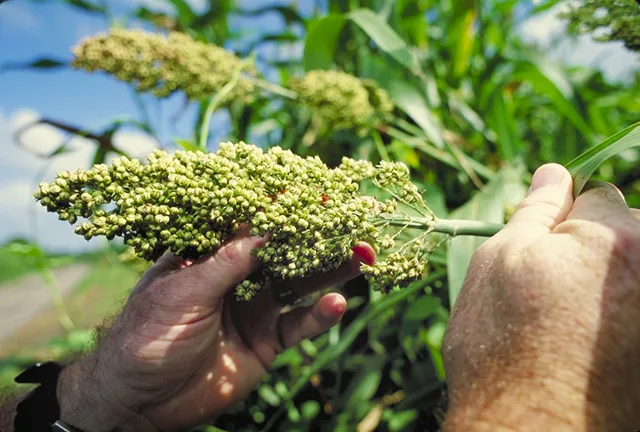
Sorghum head (2)
Sorghum head (2) (Larry Rana, USDA)
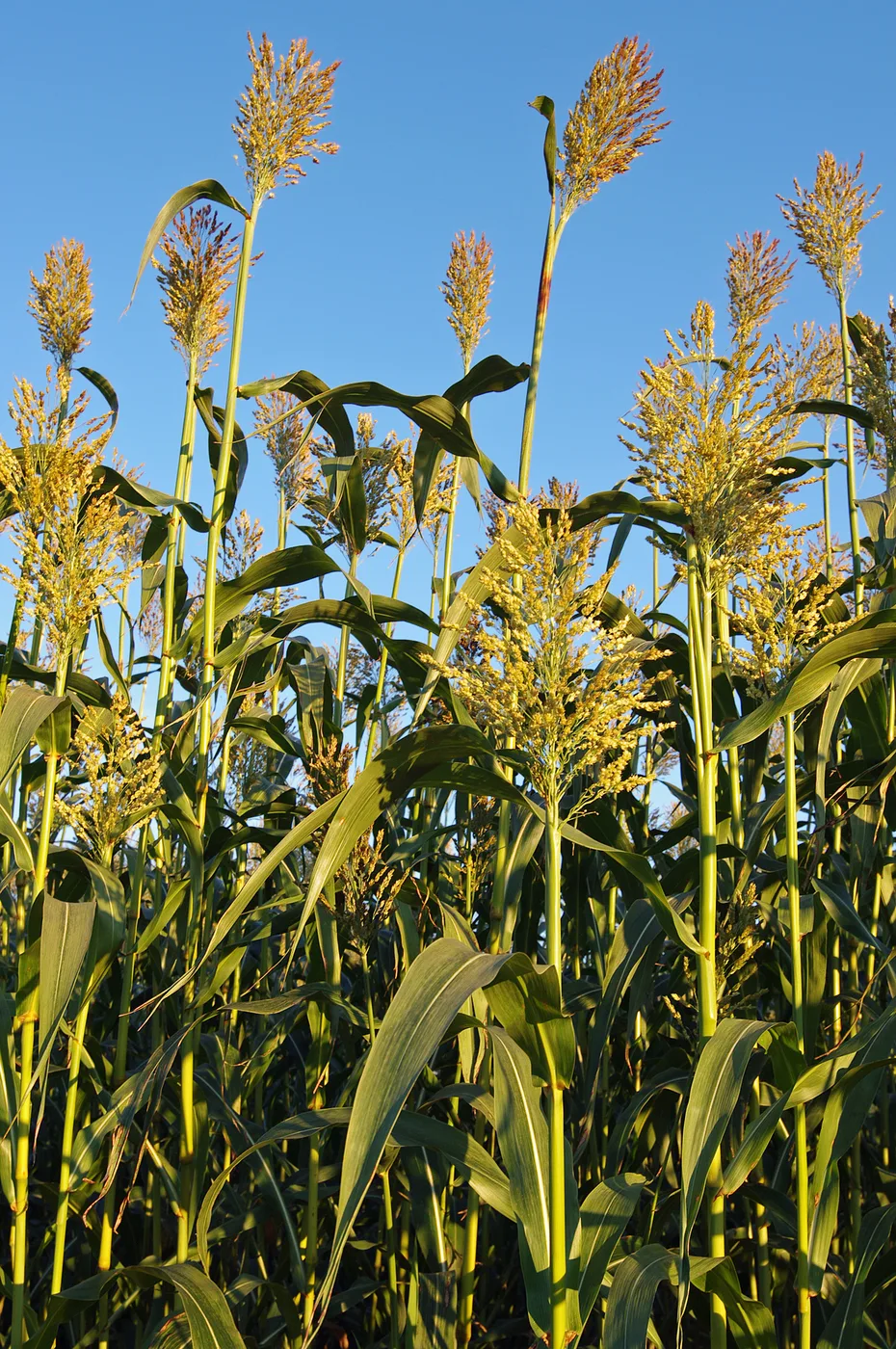
The early kinds of sorghum, though taller than wheat, barley or millet, would have been little more than 1–2 meters (3–7 feet) in height. Since then, kinds of sorghum have been developed that reach 5 meters (17 feet). These are especially popular in rural Africa, where the long stalks are used for roofs and fences.

Translation

Sorghum head (3)
Sorghum head (3) (Bob Nichols, USDA)
Since we are unsure of the identity of the plant called dochan, it seems unwise to use a species name for it. It is better to transliterate this term. However, if sorghum is found to be accurate, translators in Africa should know that sorghum is also called guinea corn, durra, dari, and jowar (Hausa dawa, Arabic hhash, French sorgo, Mandinka kintoo, Swahili mkota). In China it is called kaolang. In the United States it is sometimes called milo or broom corn.

Scripture References (1)

Ezekiel