Discussion
This animal is only mentioned in Scripture with regard to the leather made from its skin. It is clear that its hide made very good leather. The KJV “badger” and RSV “goat” are almost certainly mistranslations. NEB ’s “porpoise” has more support since an Arabic word very similar to the Hebrew refers to the porpoise or dolphin. However catching sufficient porpoises to make a covering for the tabernacle would have been problematic for the Israelites since these animals live entirely in the sea while the Israelites were not a seagoing nation.
However, some local Bedouin tribes that live near the sea have for centuries made sandals and other articles from the skins of an animal called dugong and many modern scholars interpret tachash as referring to this animal. NIV and NEB (margin) have “sea cow". The dugong, which swims slowly and feeds on underwater weeds near the shore, is fairly easy to catch in nets.
Description
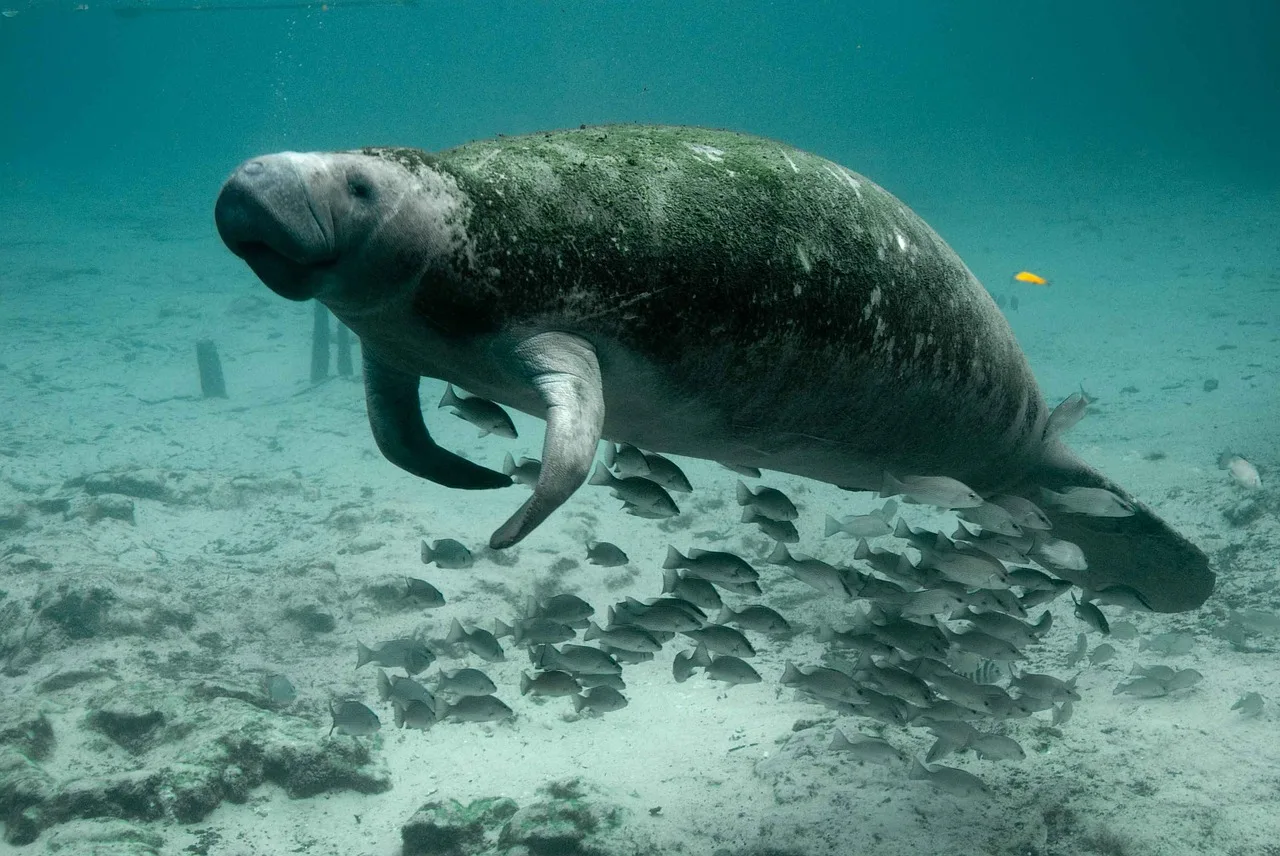
The Dugong (Dugong dugong) is a large animal about 3 meters (10 feet) long, which lives in the sea, usually in small herds of twelve to fifteen animals. They swim slowly and feed in fairly shallow water on underwater weeds near mouths of rivers. They sometimes even move a short distance up the river. They need to come to the surface every few minutes to breathe, and they sometimes come out of the water to lie on rocks or sandbanks.
Although they have flippers rather than legs and a tail that looks like that of a large fish dugongs are mammals. They have soft fur. They do not lay eggs but give birth to babies and feed them on milk from their breasts. They are found in fairly large numbers even today in the Gulf of Aqaba and the Red Sea and are also found along the tropical coasts of East Africa, South Asia, Madagascar, Malaysia, Indonesia, Papua New Guinea, Australia and the Solomon Islands. They have also been reported in Taiwan.
Three very similar animals are the Senegal Manatee Trichechus senegalensis, which is found in West Africa, the Caribbean Manatee Trichechus manatus, which is found on the coasts and in the lagoons of the Caribbean islands and Florida, and the South American Manatee Trichechus inunguis, which is found in the Amazon and Orinoco rivers.
Translation
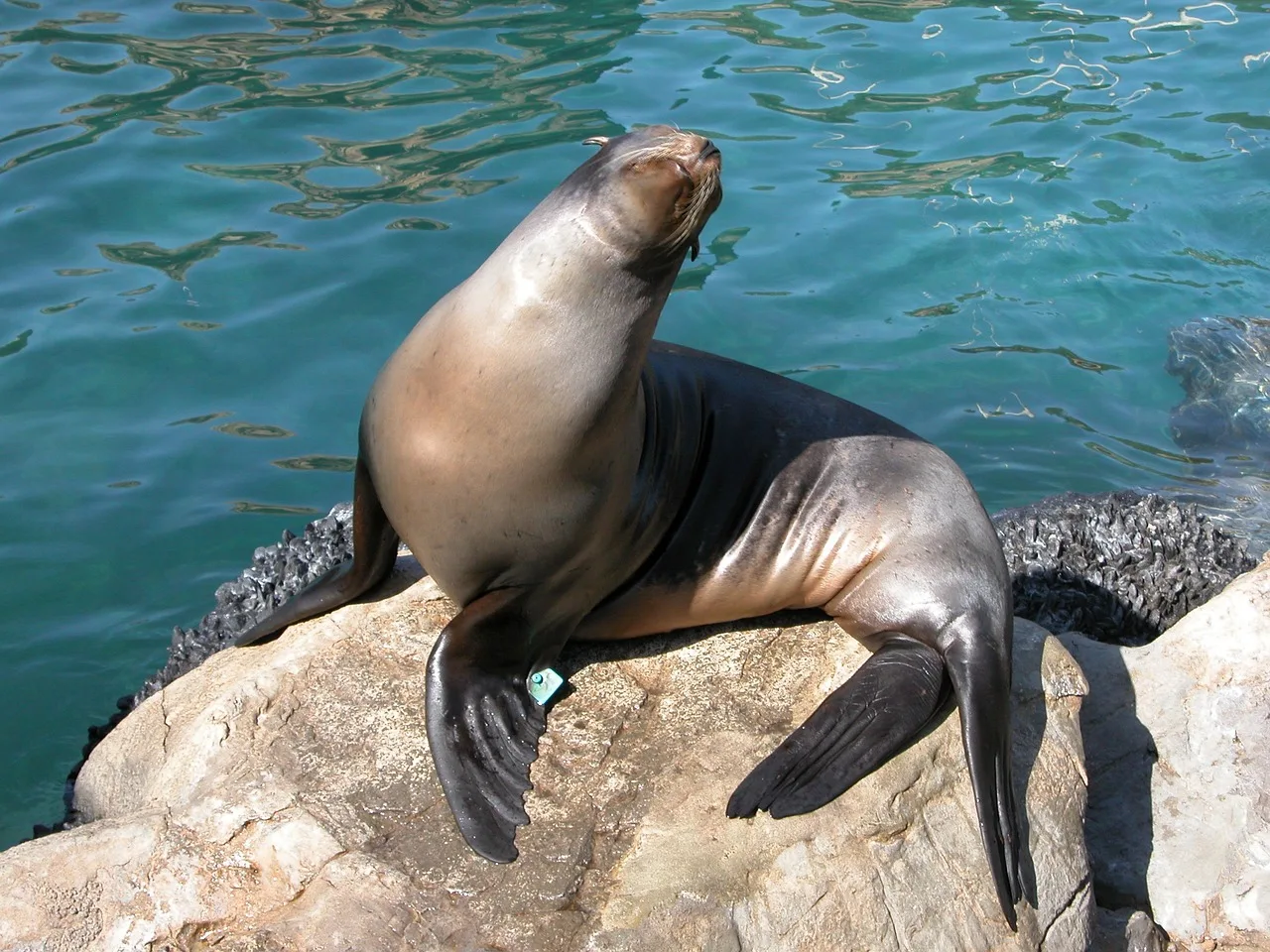
Where dugongs and manatees are known, the best choice will be the word for one of the three mentioned in the previous paragraph. In areas where they are not known, the word for the seal can be used. Where seals are also not known, a more general expression such as “good soft leather” or “furs” is better than trying to name the animal. It is the skin rather than the animal that is in focus in all cases.