Discussion
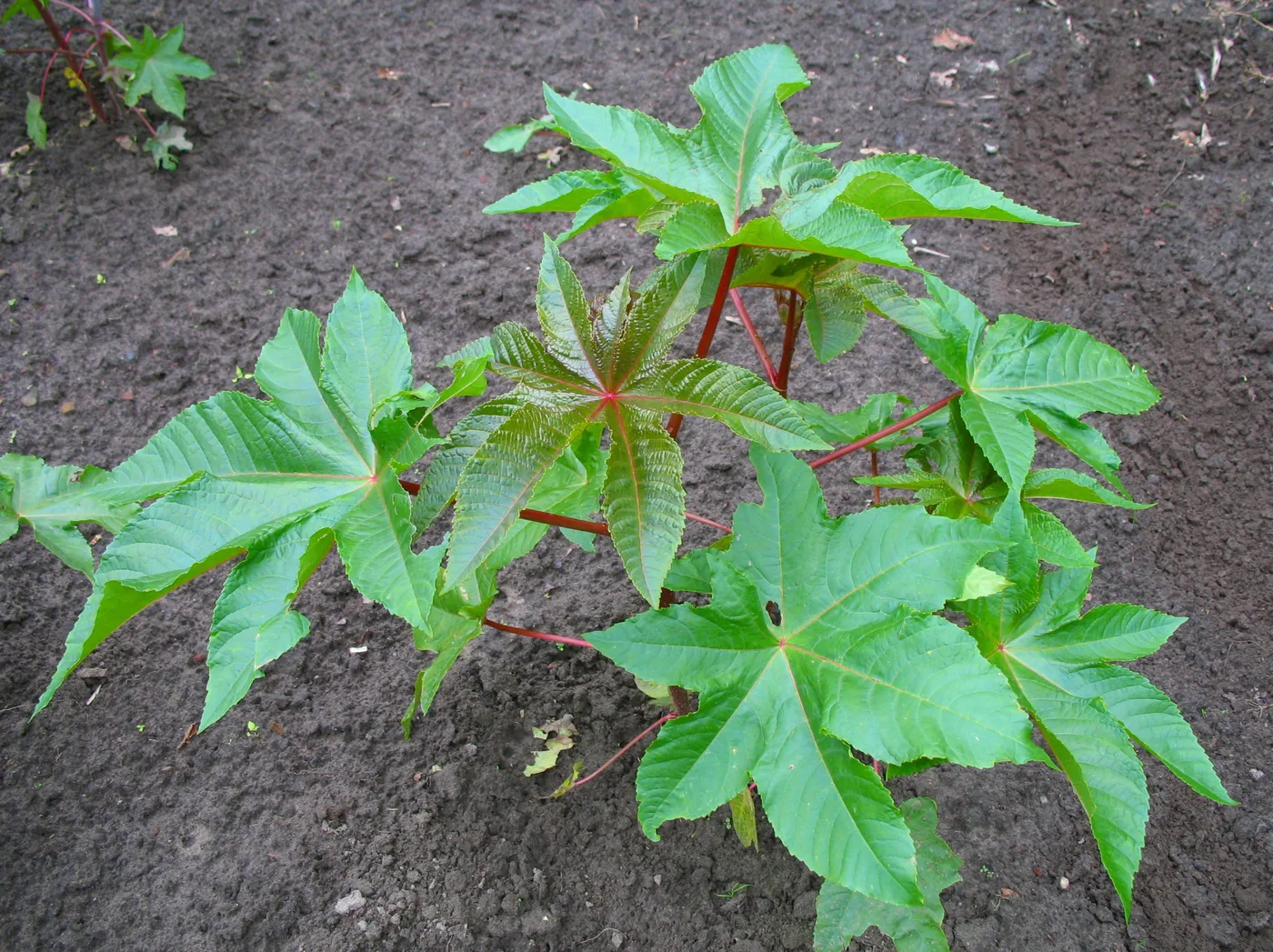
The identity of Jonah’s qiqayon plant has been debated since the days of St. Jerome and St. Augustine. Zohary, Hepper, and Moldenke all advocate the castor oil plant (Ricinus communis) as the qiqayon, followed by NJB, FFB, various commentaries, and some Bible encyclopedias. But KJV “gourd” has a long history, including its use in the Septuagint (kolocuntha in Greek; see Wild gourd (colocynth, egusi, bitter apple)) and in REB, NAB, Mft, and AT. The Vulgate translated qiqayon as hedera (“ivy”; see Ivy) and that is used in Knox, but that rendering has not had further botanical support. In 1985 Robinson did an in-depth study of the literature going back as far as St. Jerome and votes hesitantly for the gourd (colocynth). Some scholars even suggest it could be an Assyrian word inserted in the story just to make it sound foreign, or even a made-up word.
Description
Special significance
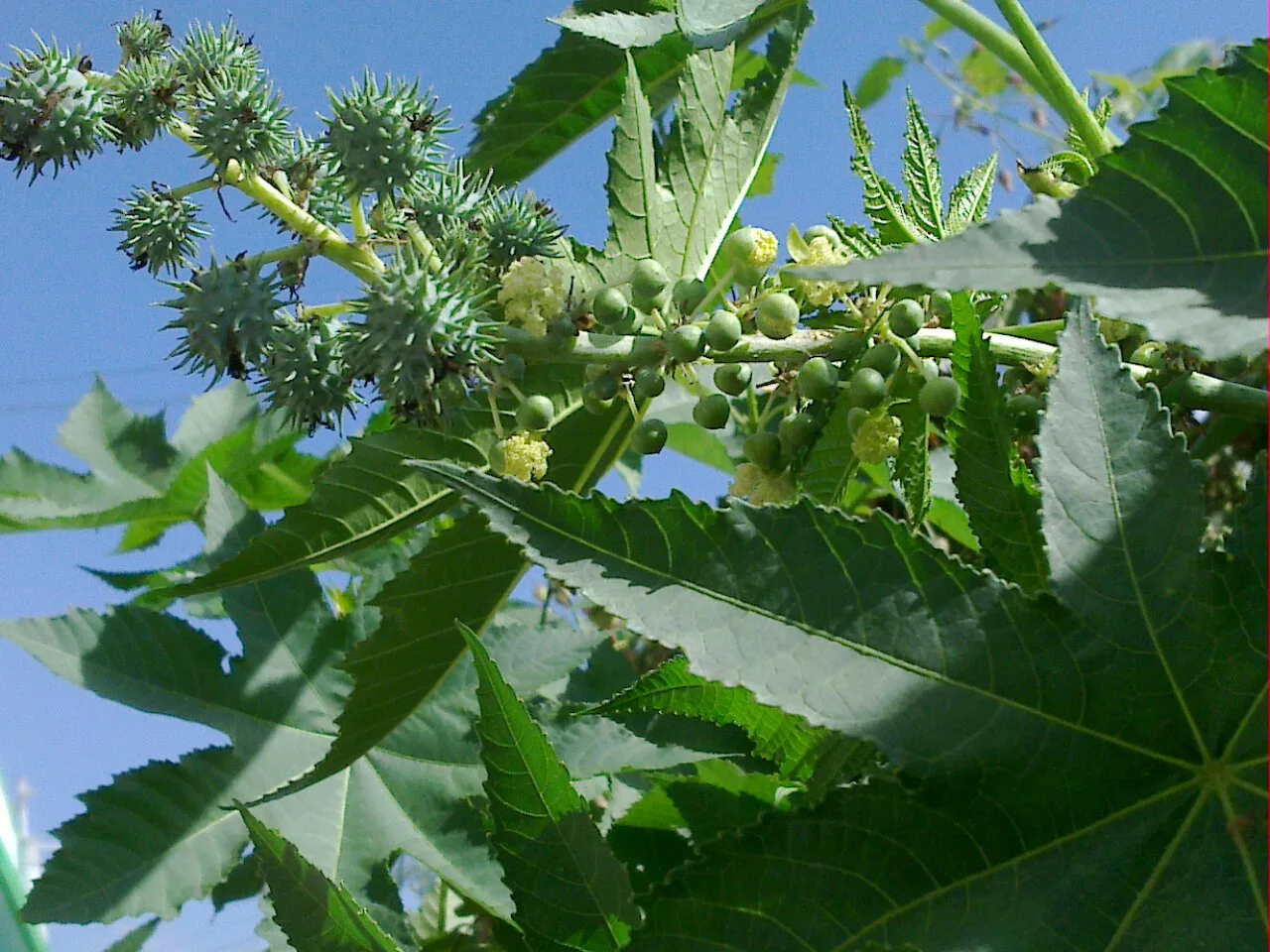
Ancient people used the oil of the castor bean for medicine, often as a purgative. In the book of Jonah the plant is a key element of the dramatic confrontation between God and his strong-willed prophet.
Translation
A number of translators have decided to avoid choosing between “gourd” and “castor oil plant” by selecting generic words here, for example, “vine” (CEV, NIV) and “plant” (RSV, GNB). NJPSV has “ricinus,” which uses the Latin for “castor bean.” Since the castor bean is originally an African plant, it will be known by most translators there. Some may prefer to transliterate the term for it from a major language (for example, Arabic karwa; French ricin; Portuguese ricino, bofarera, karapatero; Spanish catapucia, higuera, higuerillo) or use a generic descriptive phrase such as “leafy bush.”