Discussion
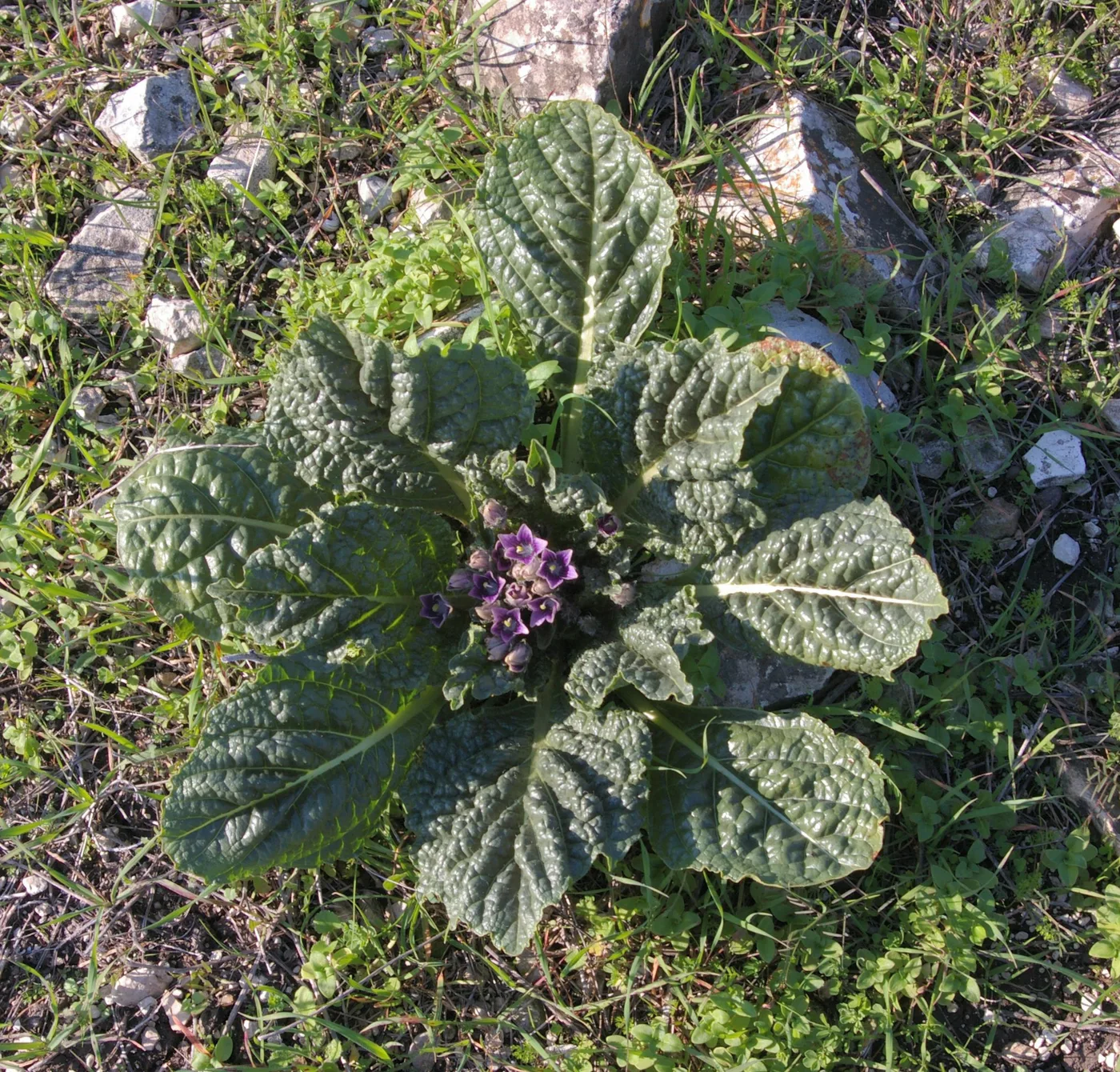
Commentators do not agree on the identity of the Hebrew word duda’im. While many assert that the word must refer to Mandragora or Mandrake Mandragora autumnalis, Zohary says it cannot be so since mandragora has never grown in Mesopotamia, where the story of GEN 30:14; GEN 30:15; GEN 30:16 takes place. In SNG 7:14 duda’im refers to some sort of “choice fruit” associated with apples, and cultivated on river banks (not dug up in the fields, as was the case with duda’im in Genesis). Whatever the original plant was (in Mesopotamia), when the story was told in Israel they used a word that was known to the hearers, namely duda’im. In Genesis the context implies, though not directly, that duda’im has something to do with fertility. And the most popular conception-inducing plant in Bible times, according to scholars, was the mandragora (mandrake). The translators of the Septuagint and the Targum, with their own ideas about love and fertility, took duda’im in its Holy Land setting rather than trying to establish the identity of the plant in the Mesopotamian context. The English versions have copied the Septuagint, using “mandrake.”
Description
Special significance
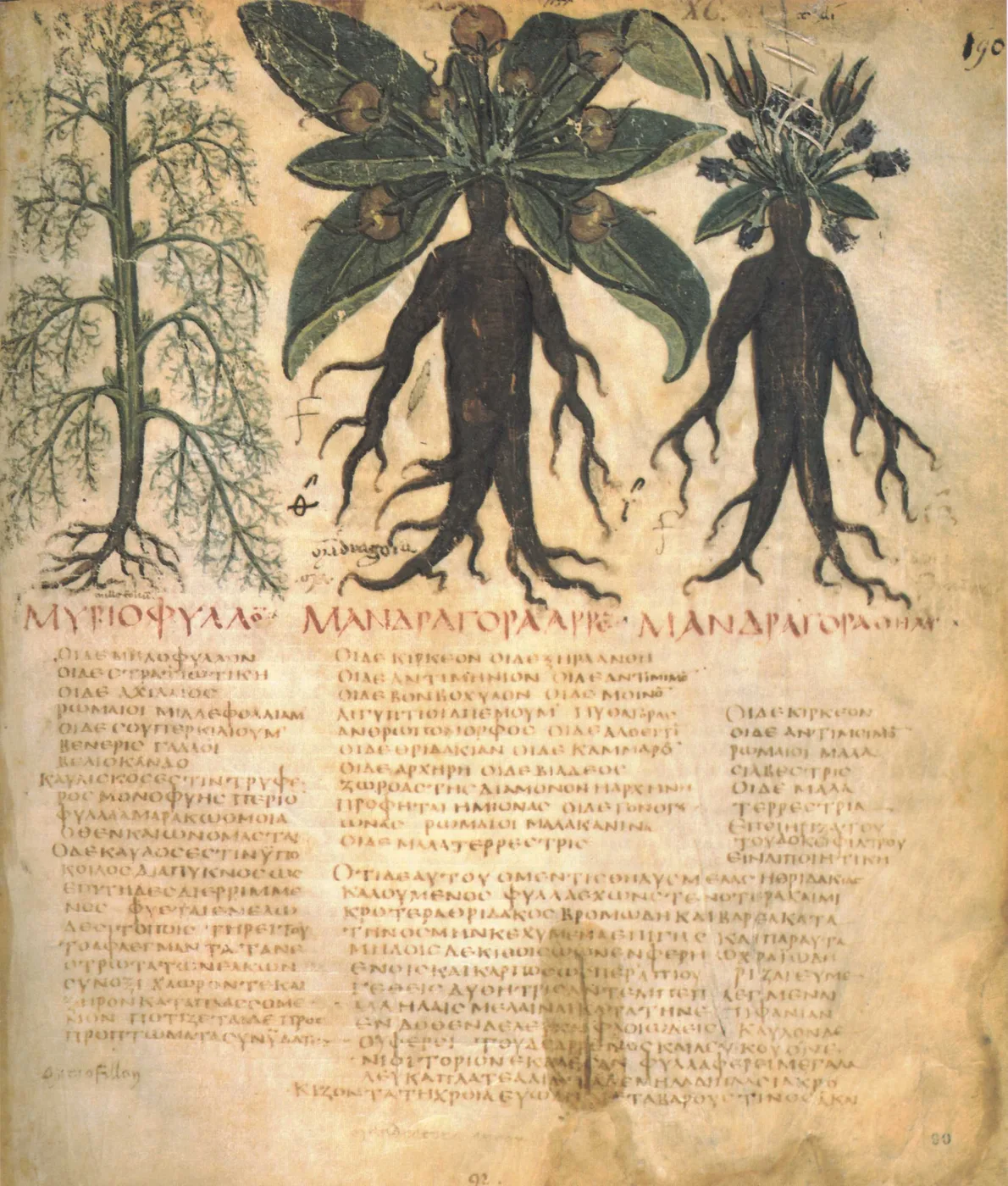
The supposed magical properties of mandrakes are many and bizarre. It is said to scream when pulled out of the earth. The leaves are said to shine in the dark. In the Middle Ages Germans dressed them up and made sacrifices to them, lest the spirits be offended. French people believed little elves lived inside them and required daily offerings. As recently as 1630, three women in Hamburg were executed for witchcraft on the grounds that they had mandrake roots in their homes. Arabs call mandrakes the Devil’s candles.
Translation
The options to translate “mandrake” are:
1. Translate using a similar plant, such as the wild garden egg (so Berom of Nigeria) plus a footnote. In Hausa of Nigeria gautan daji (or yalo) would be a possible model in some places.
2. Translate using a functional equivalent, that is, some local plant known as an aid to conception, as Tiv of Nigeria has done (mkehem).
3. Create a descriptive expression such as “love flower” (CEV) or “love fruit.”
4. Transliterate from Hebrew duda’im or a major language (for example, English (mandaraki), French (mandragore)] and write a footnote saying that this plant may have been considered an aid to conception. When transliterating, it may be useful to add “root of” as a tag, showing that it was the root of the plant that was effective.