Description
Linen is a high quality cloth made from the stems of the flax plant. It was known for its strength and coolness.
Usage
Most flax in Israel was imported from Egypt and used for a wide range of products. The Bible mentions bed coverings, sails of ships, garments for the priests, furnishings for the tabernacle, burial clothes, and other things. See also Plants and Trees in the Bible, Flax (linen).
Translation
In a number of languages there is no term for “linen,” and though a word for “linen” may be borrowed, what is important in many contexts is primarily the quality of the cloth, not the material from which it was made. Accordingly, many translators have used an expression such as “fine [white] cloth” or “good cloth.” In some cases it will be possible to say “cloth made from the fibers of a plant.” It may be necessary to add an explanatory footnote.
In several passages the important characteristic of linen is that it causes less perspiration than other cloths (see EXO 39:27; EXO 39:28; EXO 39:29; LEV 6:10; LEV 16:4; EZK 44:17; EZK 44:18). Where linen is not known, translators should choose a cloth with a similar characteristic.
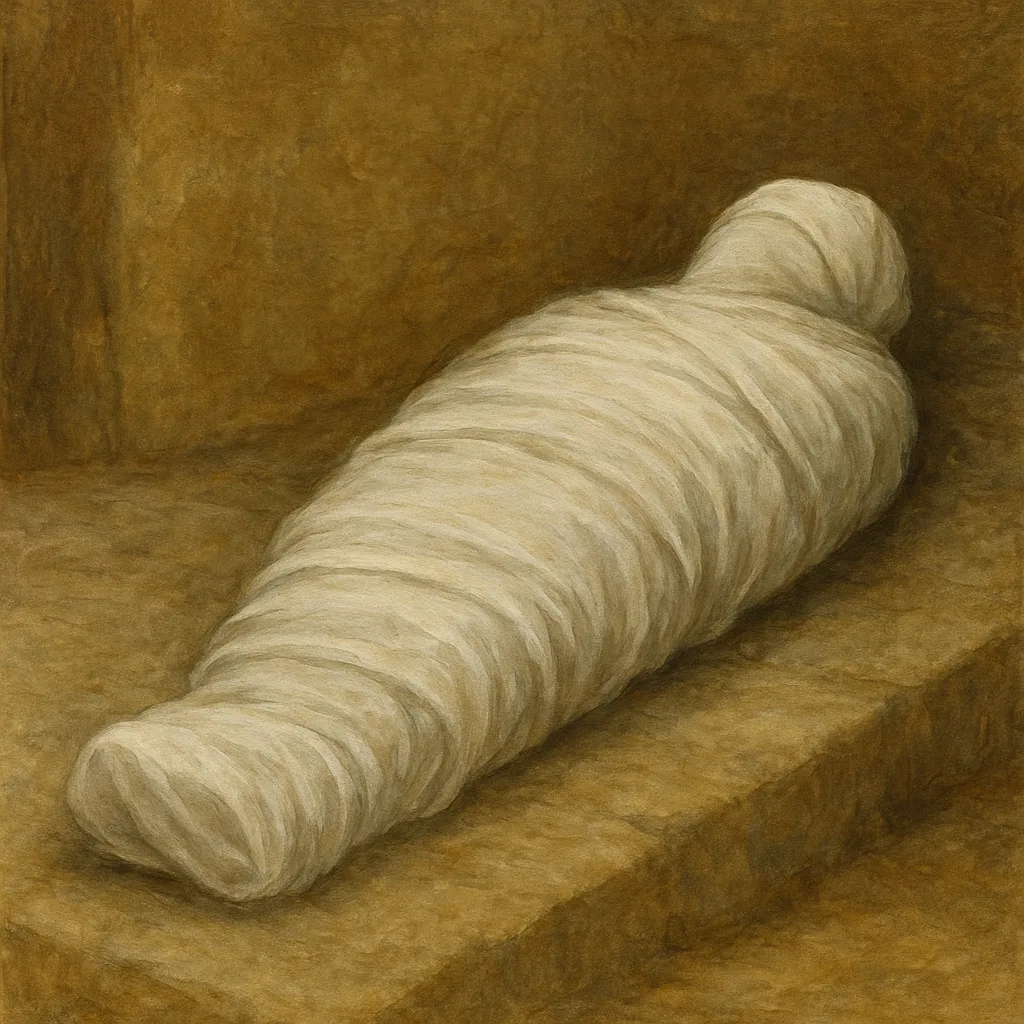
In MAT 27:59; MRK 15:46; and LUK 23:53, the Greek word sindōn describes the cloth with which Jesus’ body was wrapped for burial. This is also true for the Greek word othonion in LUK 24:12; JHN 19:40; JHN 20:5; JHN 20:6; JHN 20:7. Where a language has a special word for such a “burial cloth” or “shroud,” it should be used.