Discussion
Pesheth and pishtah are probably the original Hebrew words for flax, if indeed the plant was domesticated in the Holy Land, as Zohary proposes. They may be related to the word pashat, meaning “to strip off” or “to flay,” or to the word pasas, meaning “to disintegrate.” Pesheth and pishtah are used twenty times in the Old Testament, twice referring clearly to the plant itself (EXO 9:31; JOS 2:6). Other references are to the processed flax (JDG 15:14; PRO 31:13; ISA 19:9; HOS 2:7; HOS 2:11 [5, 9]). A few cases refer to finished products, namely wicks (ISA 42:3; ISA 43:17), cords (EZK 40:3), and items of clothing (JER 13:1; EZK 44:17; EZK 44:18; EZK 44:18).
Several references to linen use the Hebrew word bad. In EXO 28:42 the priests’ underwear are made from bad, and it is used thereafter in Leviticus to describe various items of clothing—coat, breeches, girdle, and turban. It turns up again in Samuel’s and King David’s “ephods” and then again in Ezekiel and Daniel, where we see visions of “a man clothed in bad.”
Linen is referred by the Hebrew word buts in 1–2 Chronicles, Esther, and Ezekiel, where the robes of the Temple choir, kings, and rich men are described. Moldenke holds that this word is Assyrian and refers to linen coming from the East. But it could also be a loanword from Egyptian (compare Egyptian nbos “to clothe”); note also the Hebrew verb bots /bits, meaning “whiten” or “bleach” (Unger’s Bible Dictionary). The Septuagint often uses the Greek word bussos or bussinos in these passages.
The Old Testament has four references to the Hebrew word sadin (“linen garment”): JDG 14:12 (Samson promises them to his opponents), PRO 31:24 (the wise woman makes them), and ISA 3:23 (the rich women of Jerusalem wear them). The Septuagint uses the Greek word bussos or sindōn in these passages.
The Hebrew word ’etun occurs only in PRO 7:16, where it refers to a linen bedspread from Egypt (compare the Greek word othonion for burial cloths, and the Greek word othonē in ACT 10:11 for the sheet in Peter’s vision). Here the Septuagint uses the Greek word amphitapos, which normally referred to a double-sided rug.
In the New Testament there are three primary Greek words for linen: linon /linous, sindōn, and othonē /othonion. Linon is used to refer to garments of the angels in REV 15:6 as well as to the “smoldering wick” in MAT 12:20 (quoting ISA 42:3 and using the same Greek word as in the Septuagint of ISA 42:3). The synoptic Gospel writers refer to the linen cloth that Joseph and Nicodemus used to wrap Jesus’ body as a sindōn. Mark uses the same word to refer to the cloth that was worn by the unidentified young man at the time of Jesus’ arrest (MRK 14:51; MRK 14:52). John uses a different Greek word for Jesus’ burial cloths: othonion.
The rich man referred to in the Lazarus story (LUK 16:19) is clothed in “fine linen” (bussos). The Greek word bussos is the root word for bussinos, which refers to tunics, robes and turbans made from linen fabric (REV 18:12; REV 18:16; REV 19:8; REV 19:8; REV 19:14; 1ES 3:6).
Description
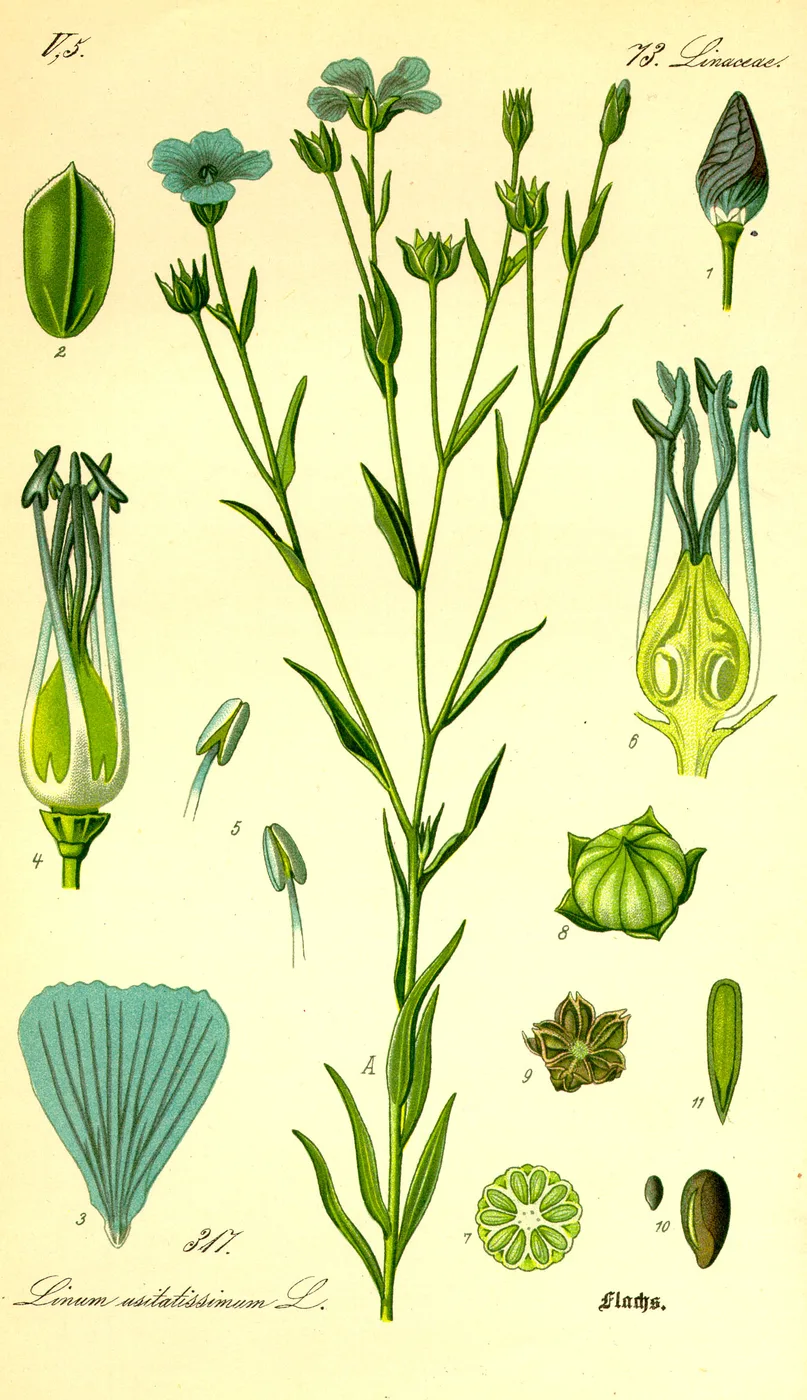
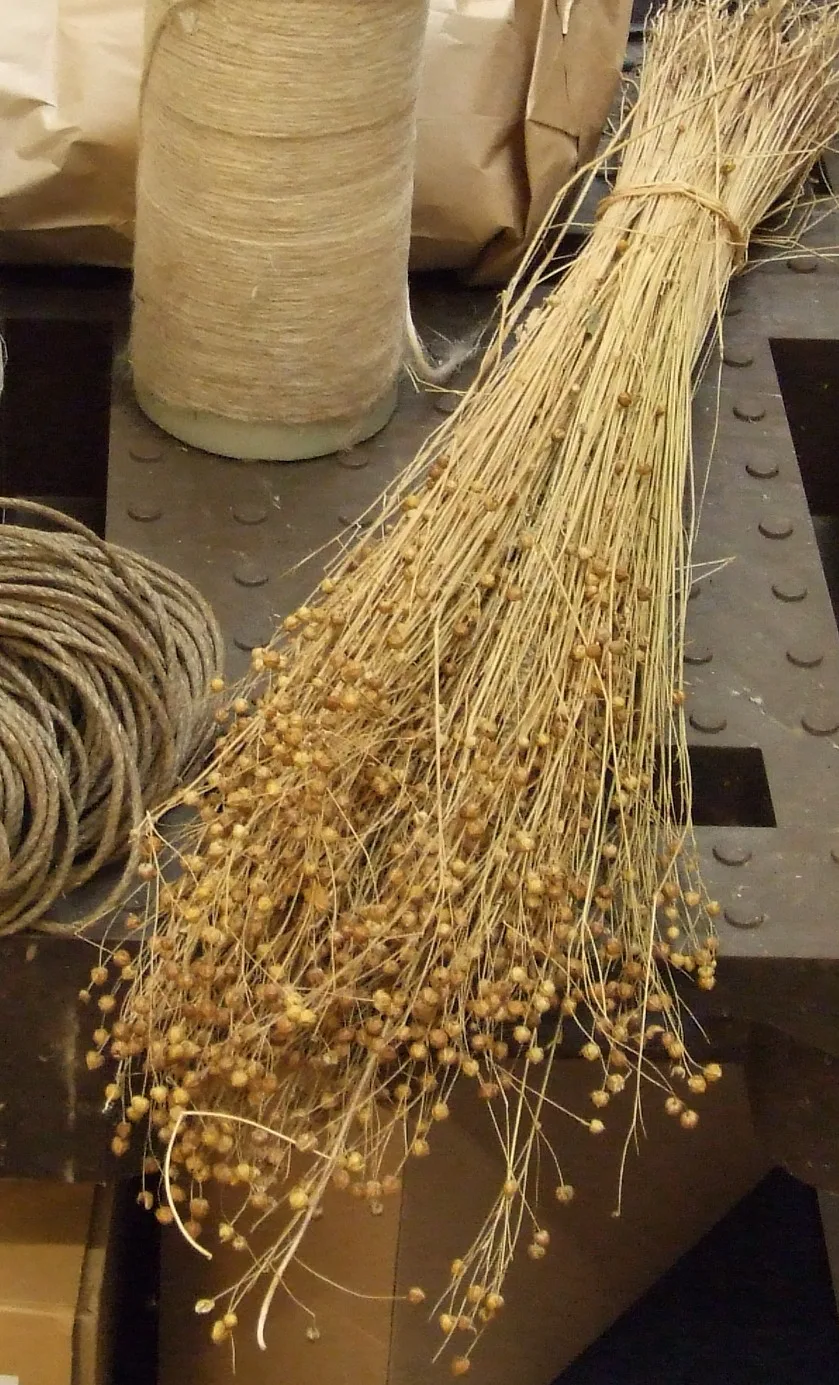
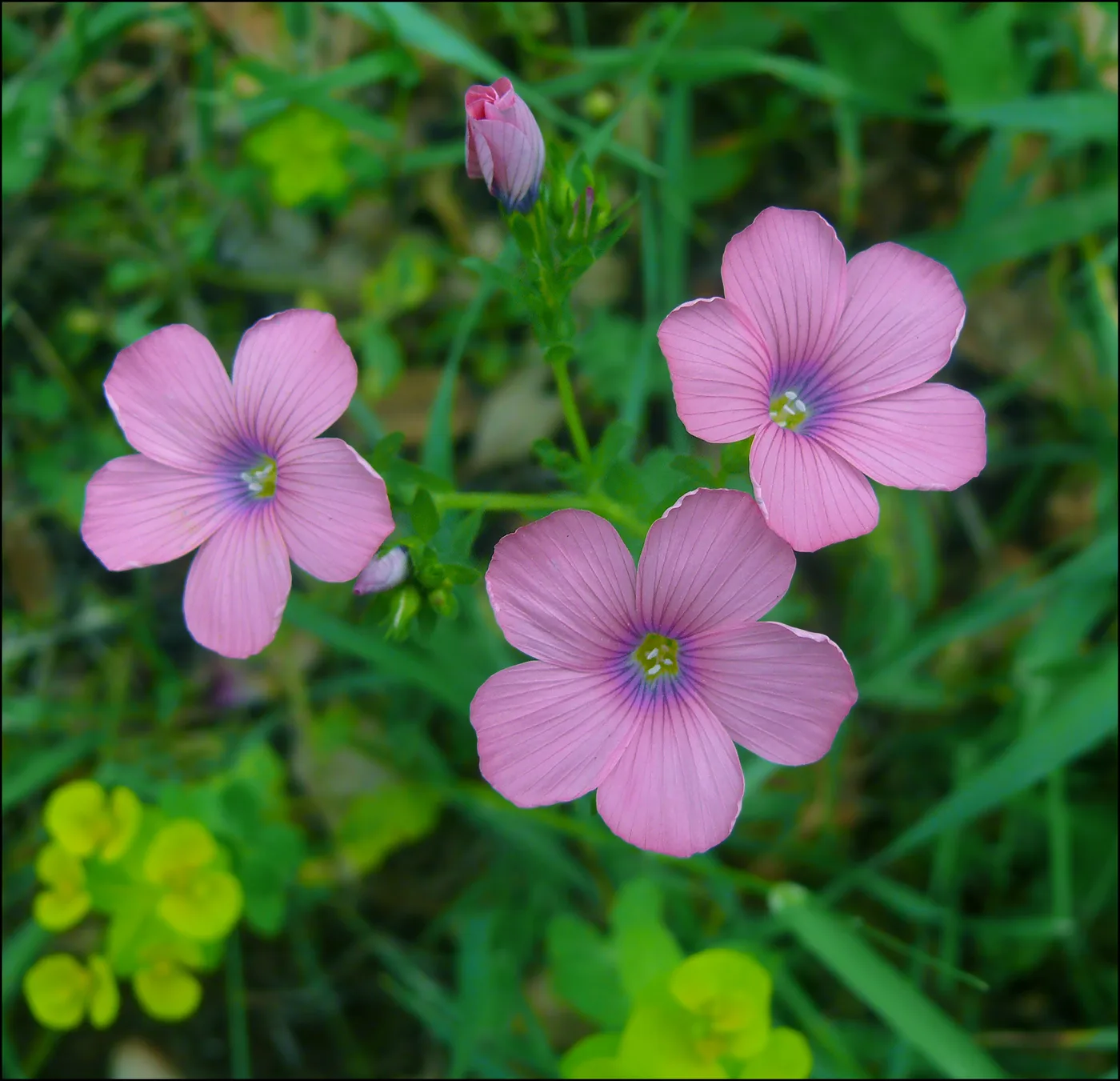
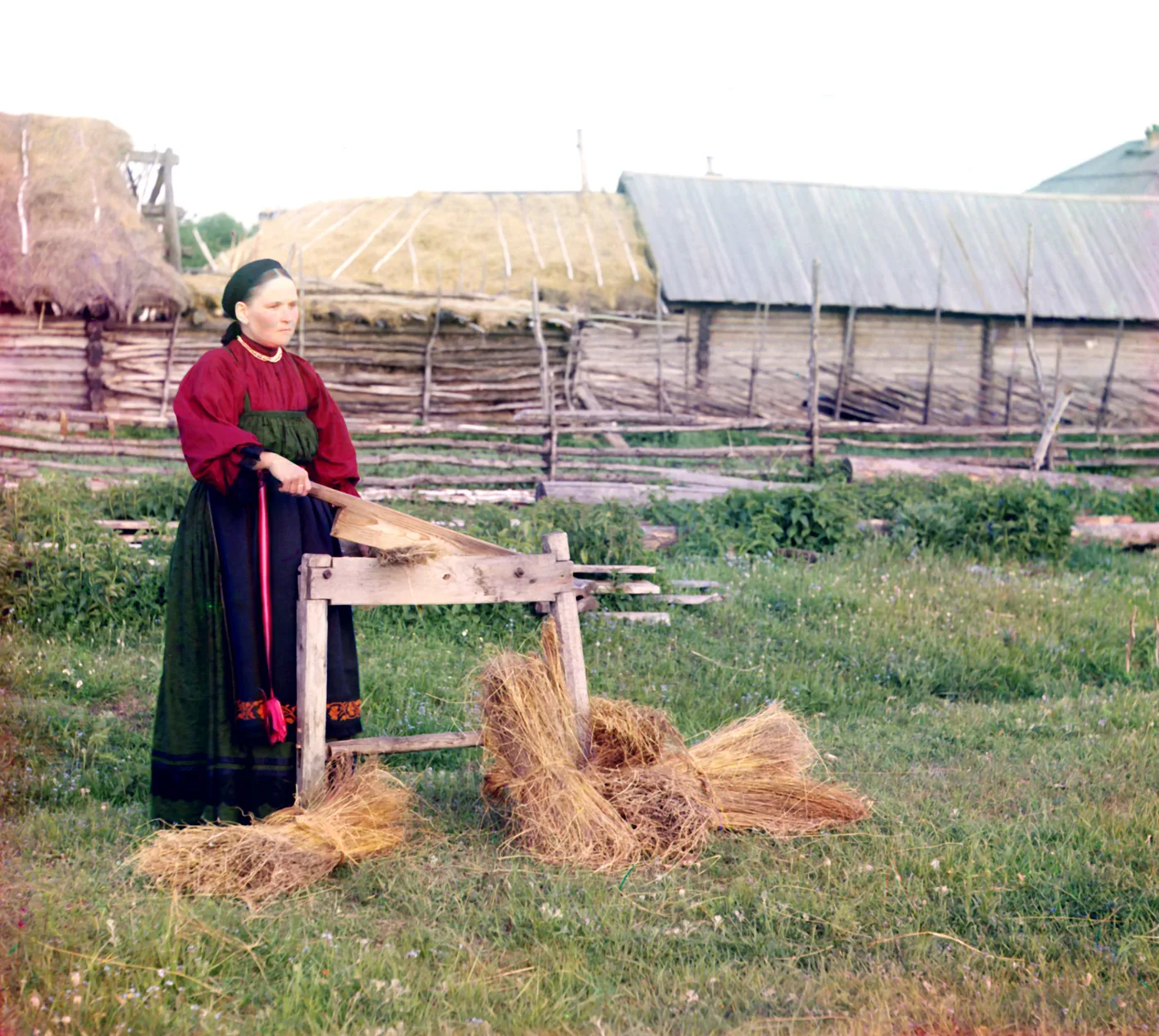
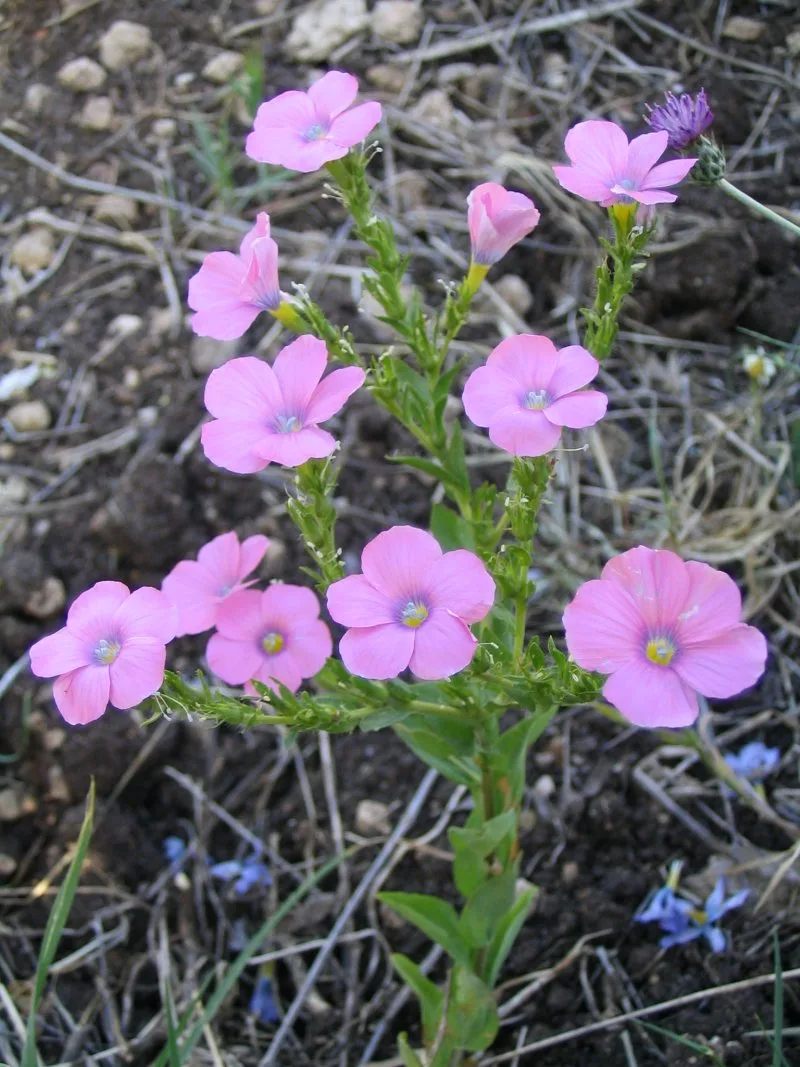
Flax is a little taller than a sesame plant, about a meter (3 feet) tall. Its leaves are narrow and the flowers are bright blue with five petals. The seed capsule contains oil that is used for cooking and also for thinning paint. After flax ripens, the plants are uprooted and the stalks are left to dry for a while. The stalks are then soaked, dried, and beaten to separate the fibers, which are then combed and woven into cloth.
Special significance
Linen cloth was relatively costly in Israel, and being light and easy to dye it was highly valued. Their priests wore linen garments to combat sweating (see EZK 44:18; EZK 44:18). They had to remove these holy garments when they left the Temple, “lest they communicate holiness to the people” (EZK 44:19). The high esteem given to linen by the Jews is shown also by the fact that they used it for burying the dead, and we are told that the Dead Sea Scrolls were wrapped in linen cloths. However, the flax plant was special in other ways. The crushed stalks of flax plants were also used for making rope and lamp wicks. The seed was used for oil.
Today flax is raised more for the oil that comes from the seeds (called linseed oil) than for the fibers, although flax stalks are also made into special kinds of paper.
Translation
Linen cloth (or other cloth with a similar name) is surprisingly widespread. Cloth merchants in the translators’ area may know it under a trade language name, and if so, that can be used. In Hausa of northern Nigeria it is called lilin. In some places it is used only for burying people. In that case, if it is used in translation at all, the difference in culture should be explained in a footnote. Since linen is bleached white, a generic phrase such as “beautiful white cloth” can be considered in many places. English common language versions use phrases such as “beautiful clothing” (NLT) or “fine clothes” (CEV) when garments are involved. In the three metaphorical passages mentioned above (JDG 15:14; ISA 42:3; ISA 43:17), an appropriate cultural image may be substituted, or an adverb expressing weakness or fragility. Models for transliteration in the non-rhetorical passages are the Latin linum; Arabic fitas, kattan; Spanish lino; Portuguese linho; French lin; Tamil alvira; and Chinese ya ma.
In EXO 9:31; EXO 9:31, where the reference is to the flax plant and is not rhetorical, the translator can transliterate from a major language such as English (filaks /filas) or from Hebrew (pishita /fisita).