Discussion
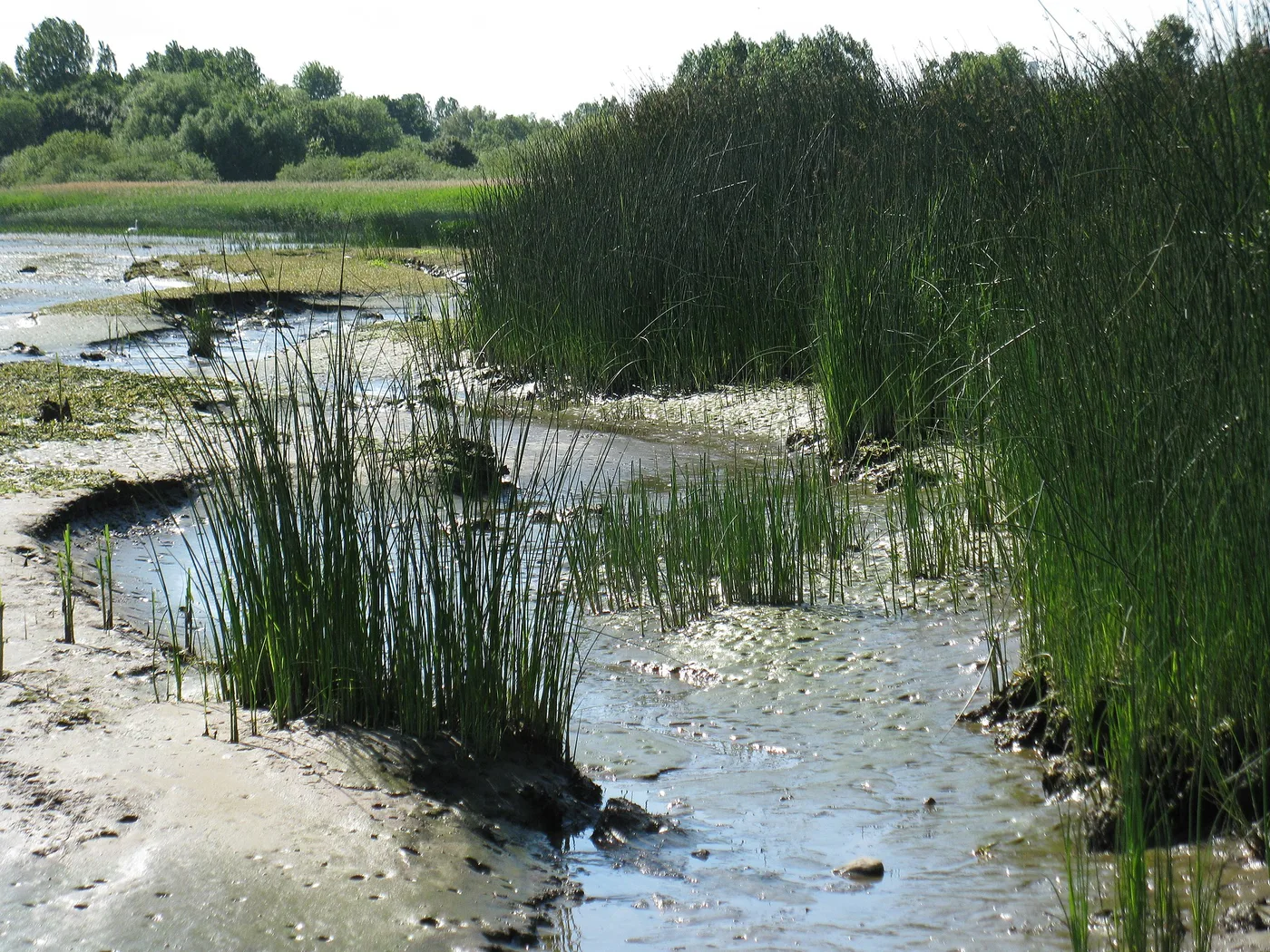
The Lake Rush Scirpus lacustris and the Soft Rush Juncus effusus are two of many types of rush (or sedge) that grow in swampy areas of the Mediterranean area. Moldenke states that fifteen species of Scirpus and twenty-one species of Juncus grow in the Holy Land. Zohary feels strongly that the Hebrew word ’agmon, translated as “reed” or “rush” in RSV, is a generic label and should not be equated with a specific plant.
Description
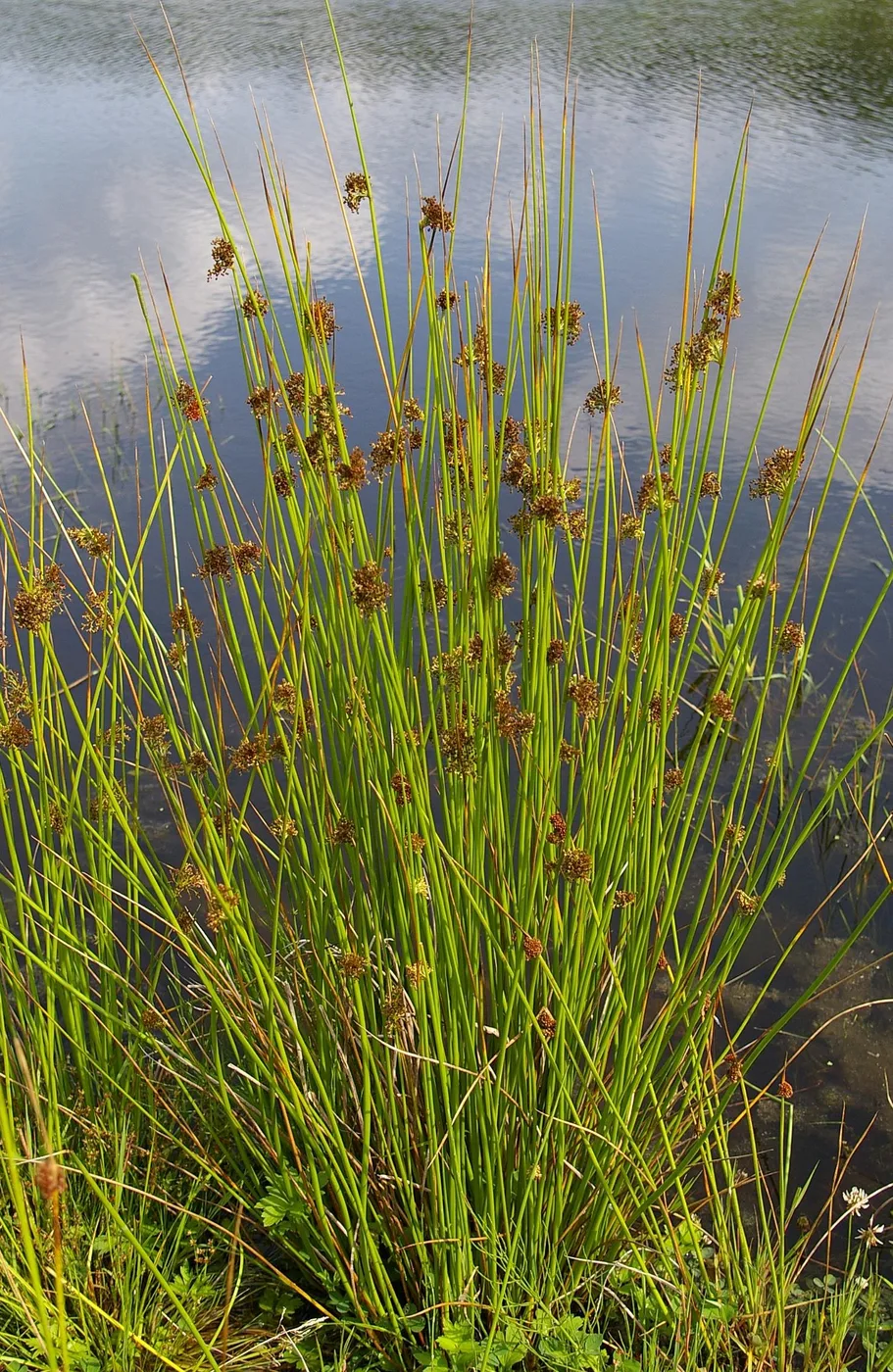
Rushes do not have leaves. They are stalks that grow in sandy, waterside soil. They reach a meter (3 feet) or less in height. Tiny flowers form in clusters on the side of the stalk below the top.
Special significance
Translation
There are at least two hundred species of Juncus. Translators who live near streams will have no problem finding types of rush that will be close or equivalent to the biblical types. Elsewhere, translators can use “tall plant that grows in water.” In the rhetorical context of ISA 58:5 (“bow down his head like a rush”), a translator can substitute a plant that suits the description of “bowing down.”
According to Hepper, RSV and KJV have confusingly rendered the Hebrew word gome’ as “bulrushes” in EXO 2:3, instead of “papyrus” (see Papyrus).