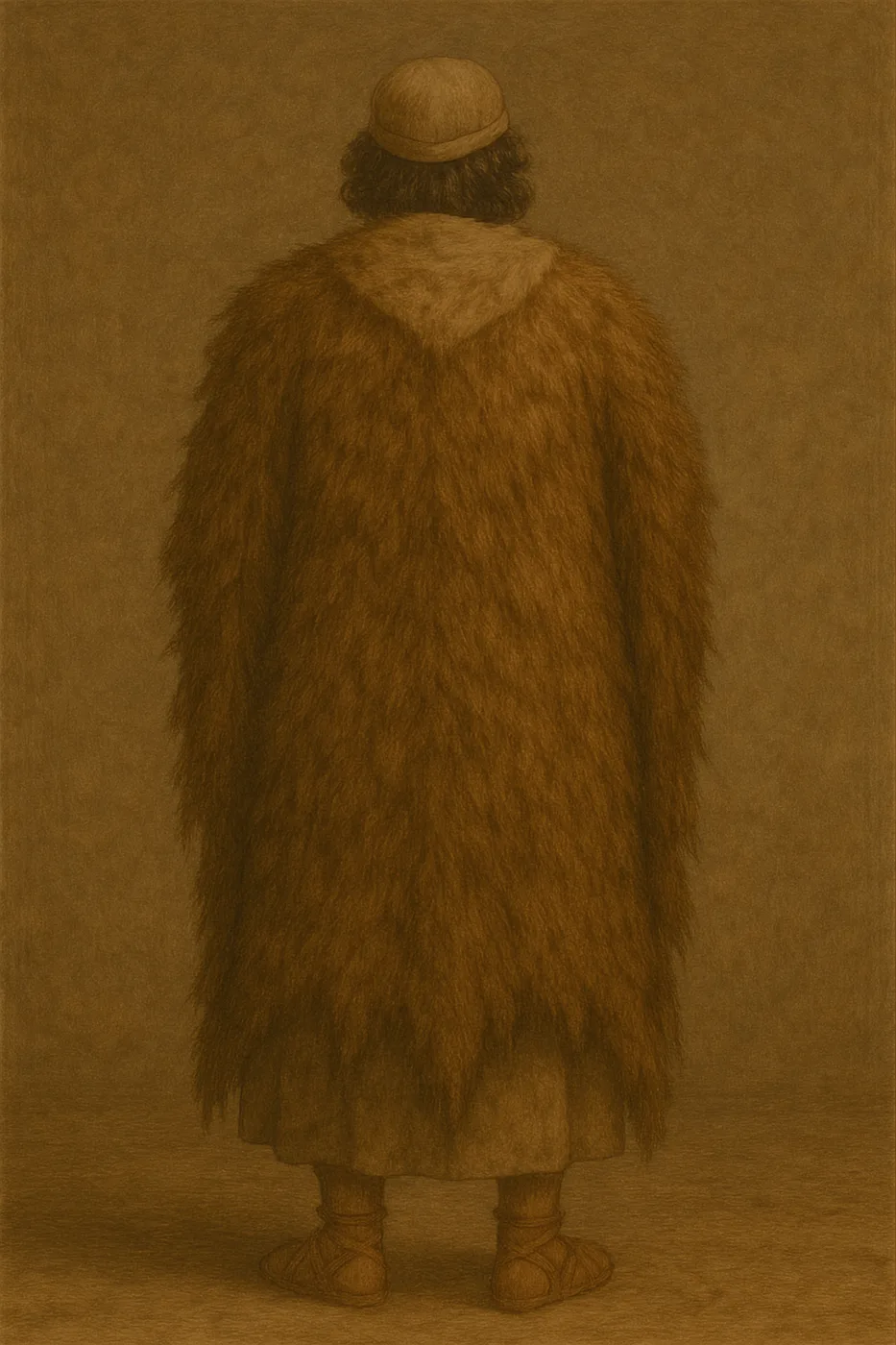
Description
The hide or skin of an animal could be tanned or untanned. It could be tanned with the hair or wool left on or after the hair or wool had been removed.
Usage
Animal skins served many purposes, including their use as a rough kind of outer clothing.
Translation
In a number of languages it is important to distinguish clearly between tanned and untanned skins or hides. Furthermore, translators must often make a distinction between a skin that still has the hair on it and one that does not. In HEB 11:37 the likelihood is that these skins were tanned and still retained the hair as extra protection. While the Greek here has two words for “skins” (derma and mēlōtē), most translations use only one word for “skins” and name the two animals from which the skins came by saying “skins of sheep and/or goats” (RSV, GNT). NIV says “sheepskins and goatskins.”
The passages listed above with the Hebrew word ‘or do not refer specifically to clothing but rather to tanned animal hides for unspecified usage. In these passages most translations use a general word for “leather.” Where such a word is lacking, it may be necessary to use a descriptive phrase, such as “dried animal skin.”