Description and usage
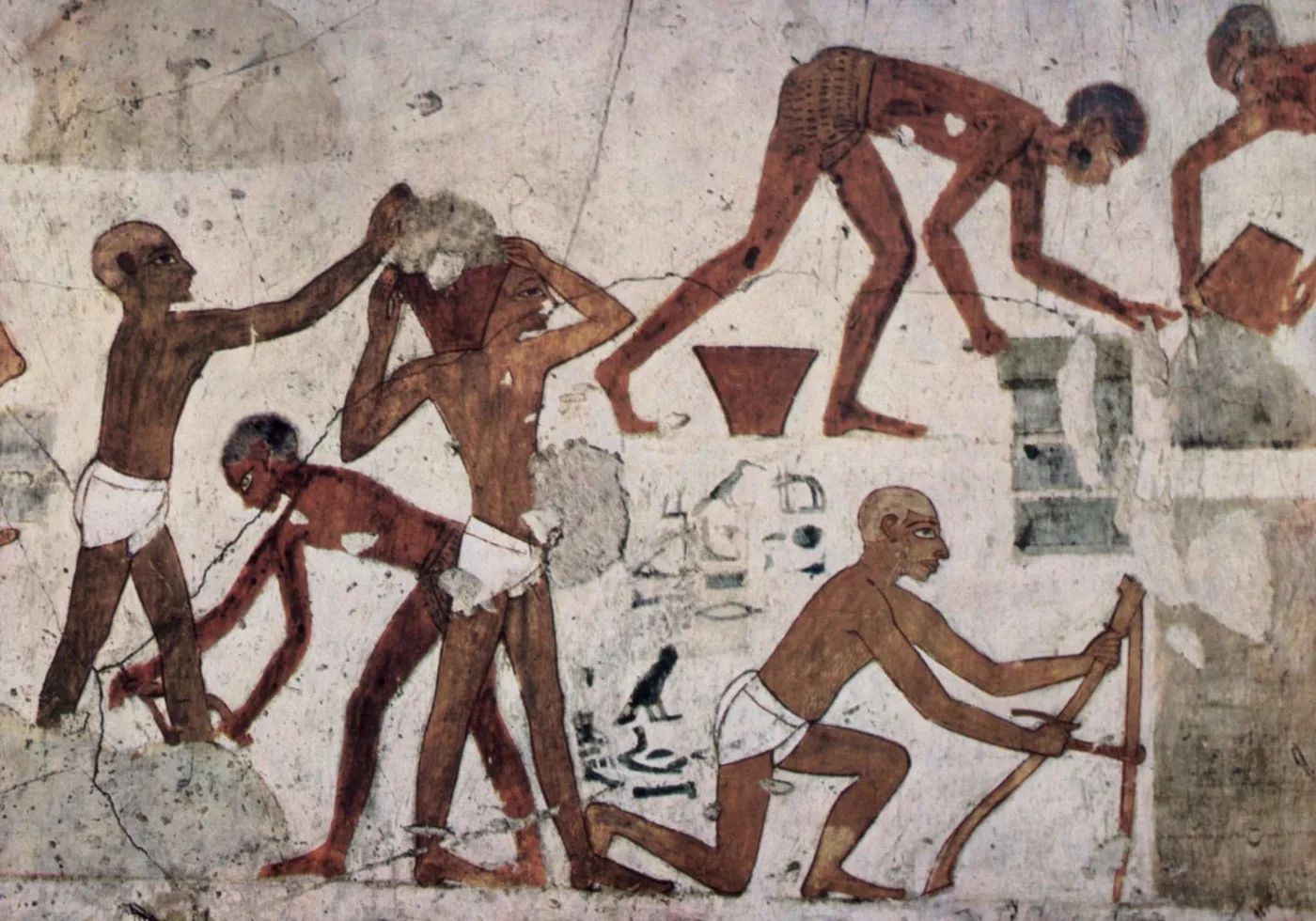
The loincloth was a piece of cloth wrapped around the waist to cover the private parts. It was commonly worn by slaves.
Translation
The second line of JOB 12:18 is literally “and he binds a girdle on their waist.” Some scholars take this to mean that God strengthens kings by placing a girdle or wide band around their middle (see Waistband, sash, belt). However, it is more probable that God, having removed their symbol of authority, puts on the kings a loincloth, which is worn for doing hard physical labor, and so depicts them as slaves. GNT says “and makes them prisoners.” NIV has “and ties a loincloth around their waist,” which is a literal rendering. Such a rendering needs an explanatory note to indicate that God reduces kings to slaves. It is better to give the cultural significance of this line in the text by saying “and makes them slaves” or “and ties a loincloth on them and makes them slaves.” A translation model for the whole verse is “God takes away the authority of kings and makes them like slaves.” If translators want to keep the change of clothes imagery in this verse, a possible model is “God takes away from kings their robes of authority and puts on them the loincloth of a slave.”
The following is adapted from the comments of A Handbook on Genesis (page 86) on the Hebrew word chagorah in GEN 3:7: This Hebrew word refers to something worn around the waist or hips. RSV renders it “aprons” here, but the word “apron” is not really a good translation in English, since an apron is a partial covering that is usually worn for a particular purpose or in particular situations, rather than being a general item of clothing. In some languages it is necessary to say “a man’s loincloth” and “a woman’s loincloth” since the words are different. The exact nature of these loincloths is not known, so it may be best to use a general term like “coverings,” or to render the last half of this verse as “and they put leaves together to cover their private parts.” One translation expresses the whole sentence as “So they-two sewed together fig leaves and put them on like a skirt to hide their bare skin.”