Description
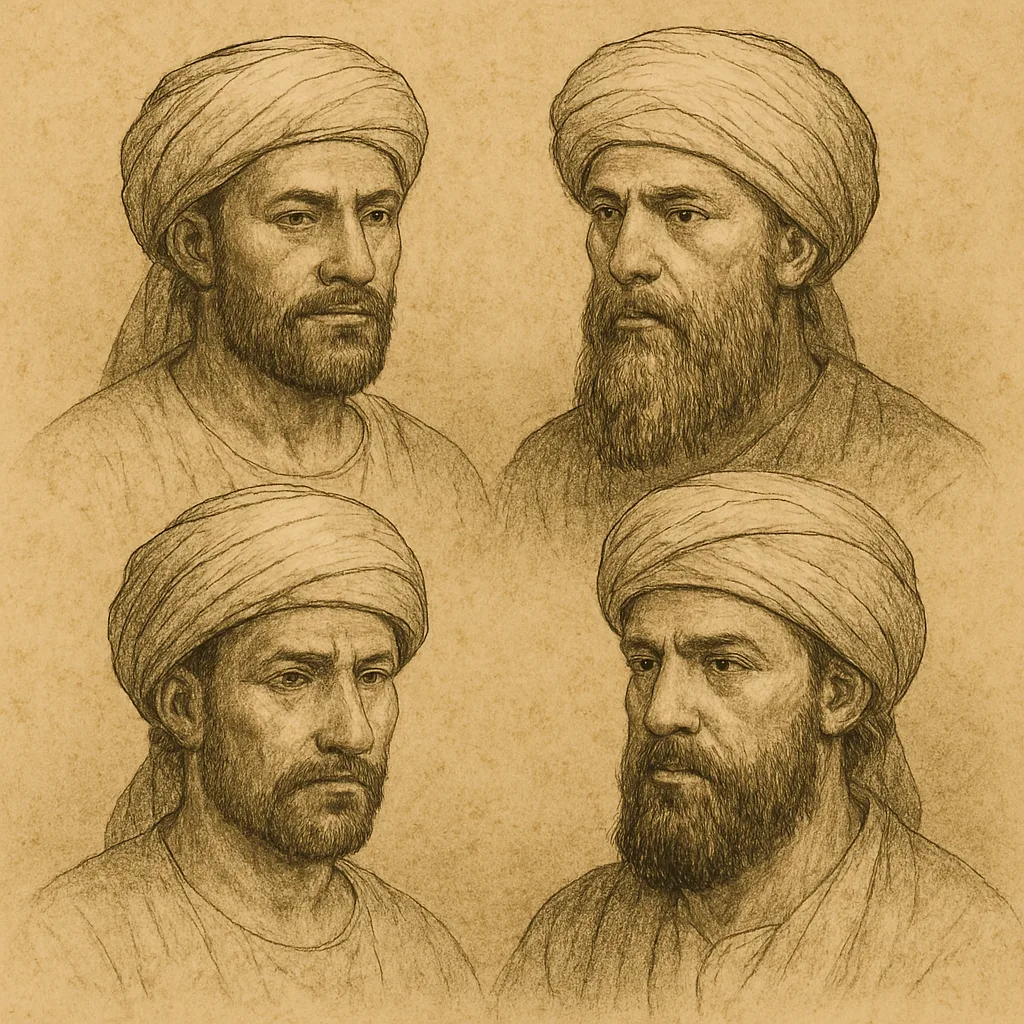
The turban was a piece of material wrapped around the top of the head.
Usage
The cloth of the turban was wound around the upper part of the head several times and the end was tucked in. It may have been wound permanently and put on and taken off like a hat. See also Turban, headdress.
Translation
In some languages there may be a very general word covering anything worn on the head. Where no more specific word exists for “turban,” this general word may be used for most of the references listed above. In some languages a descriptive phrase may be used, such as “covering made of cloth and wrapped around the head.”
While some translations use words such as “hat” (JOB 29:14 in CEV) or “cap” (DAN 3:21 in GNT), these words are generally used in English to refer to something more western than Bible characters would have worn. Terms like “turban” or “headdress” are more appropriate since they clearly refer to something less western. But this kind of distinction may be difficult to reflect in some languages that have only one term that refers to anything worn on the head. A possible model for “turban” in such languages is “special head covering.”
For the translation of the Aramaic word karbla’ in DAN 3:21, see the comments at Shirt, tunic “Shirt, tunic.”
2MA 4:12 says literally “he induced the noblest of the young men to wear the Greek hat” (RSV). The hat in question was something worn by Greek athletes to identify with the god Hermes. Since this information is lacking for the modern reader, REB has expanded this part of the verse to “he made the most outstanding of the young men adopt the hat worn by Greek athletes.” Some translations prefer to omit the hat and focus on the real issue that Jewish youth were being made to participate in forbidden Greek activities with their pagan associations; for example, GNT has “[he] led our finest young men to adopt the Greek custom of participating in athletic events.”