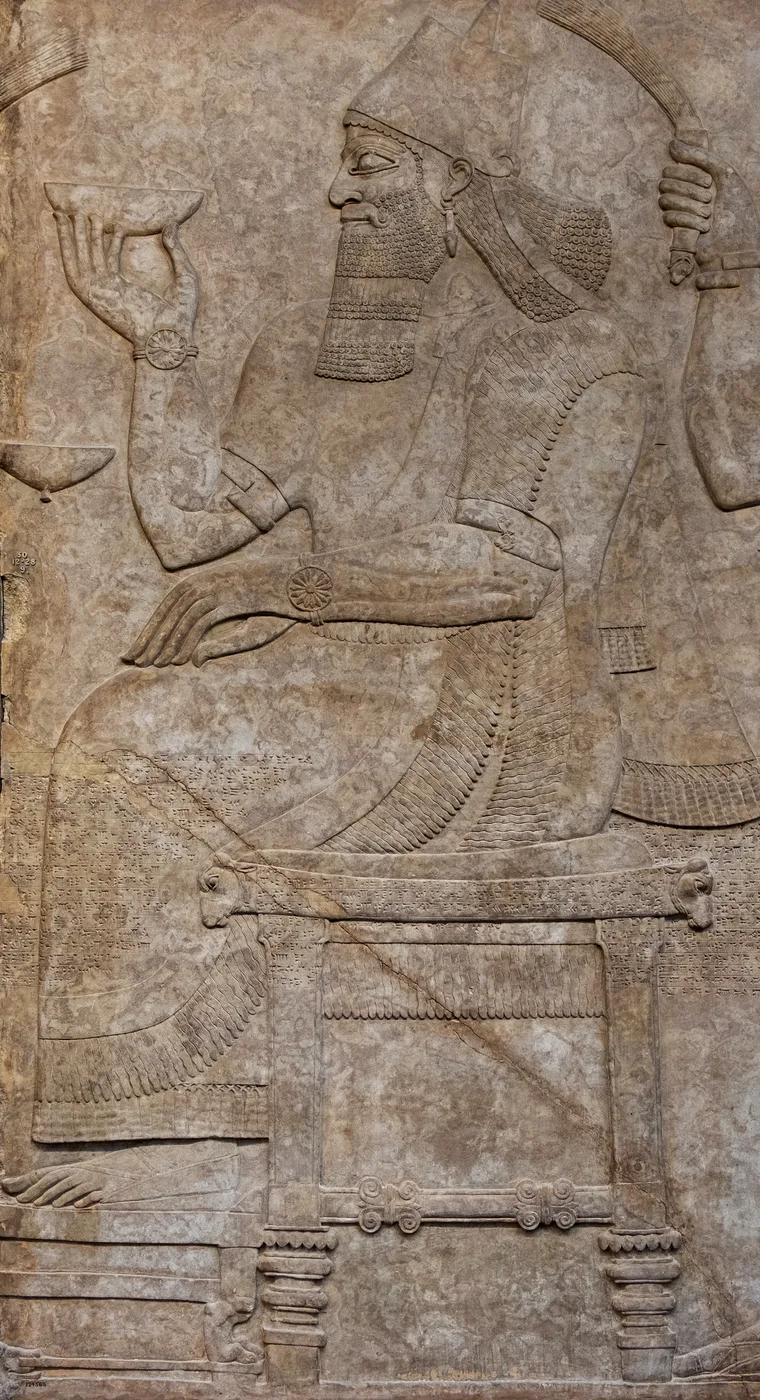
Description and usage
The chair was an object on which a person sat. Chairs differed widely in shape and materials. Most often they were made of a wooden or cane frame with the seat woven of reeds or made of wood. Sometimes the chair had a back, sometimes not. See also Throne.
Translation
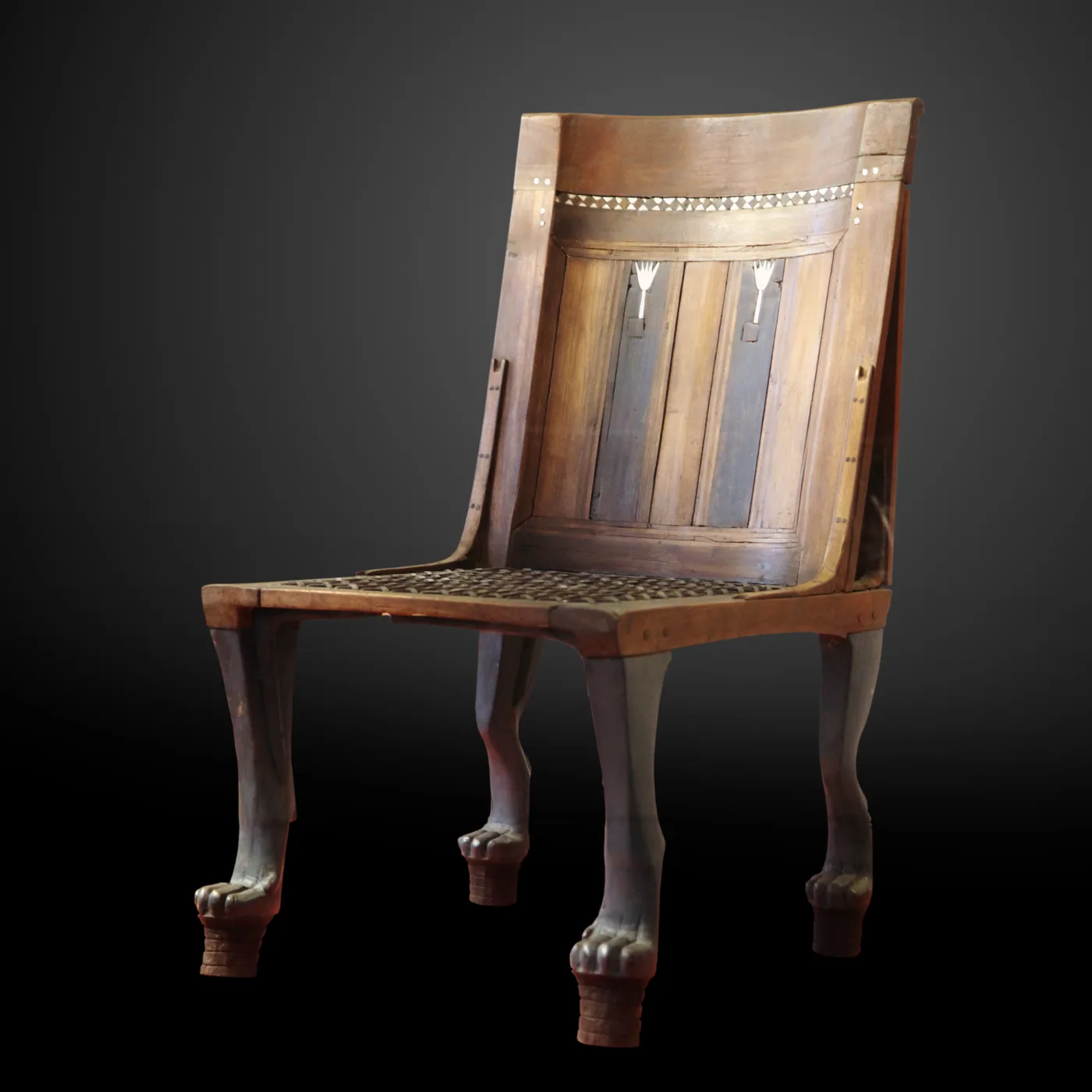
JOB 23:3: The Hebrew word tkunah means literally “prepared place.” Older translations, such as RSV and KJV, have “seat” (and Luther even has “throne”). Most modern translations prefer something like “where [he] is” (GNT) or “dwelling” (NIV).
In MAT 23:2 the phrase “seat of Moses” carries a double meaning. On the one hand, there was in many synagogues a stylized chair, usually made of stone, which was called by this very name. Examples of this chair have been found by archaeologists. On the other hand, the chair symbolized the authority to make religious rulings. To “sit on the seat of Moses” meant holding a position of authority. It is this latter meaning that is the more important in the words of Jesus. Most English translations prefer a literal rendering of the text, but a dynamic translation is to be preferred. The following renderings are ways in which this has been done:
“have inherited the authority of Moses” (Brc);
“speak with the authority of Moses” (Phps);
“teach with Moses’ authority” (GW);
“are the authorized interpreters of Moses’ Law” (GNT);
“have the authority to tell you what the law of Moses says” (NCV);
“are experts in the Law of Moses” (CEV).
The Greek word prōtokathedria refers to a position or place of particular importance, implying special status to the person occupying it. Here the important element is not the structure of the seat but rather the honor which having that seat gives to a person. Many cultures have a special word for such a seat of honor. If such a word does not carry with it pagan overtones, it should be used. English translations find several appropriate renderings: “most important seats” (NIV, NCV), “best seats” (RSV), “reserved seats” (GNT), and even “front seats” (CEV).