Description and usage
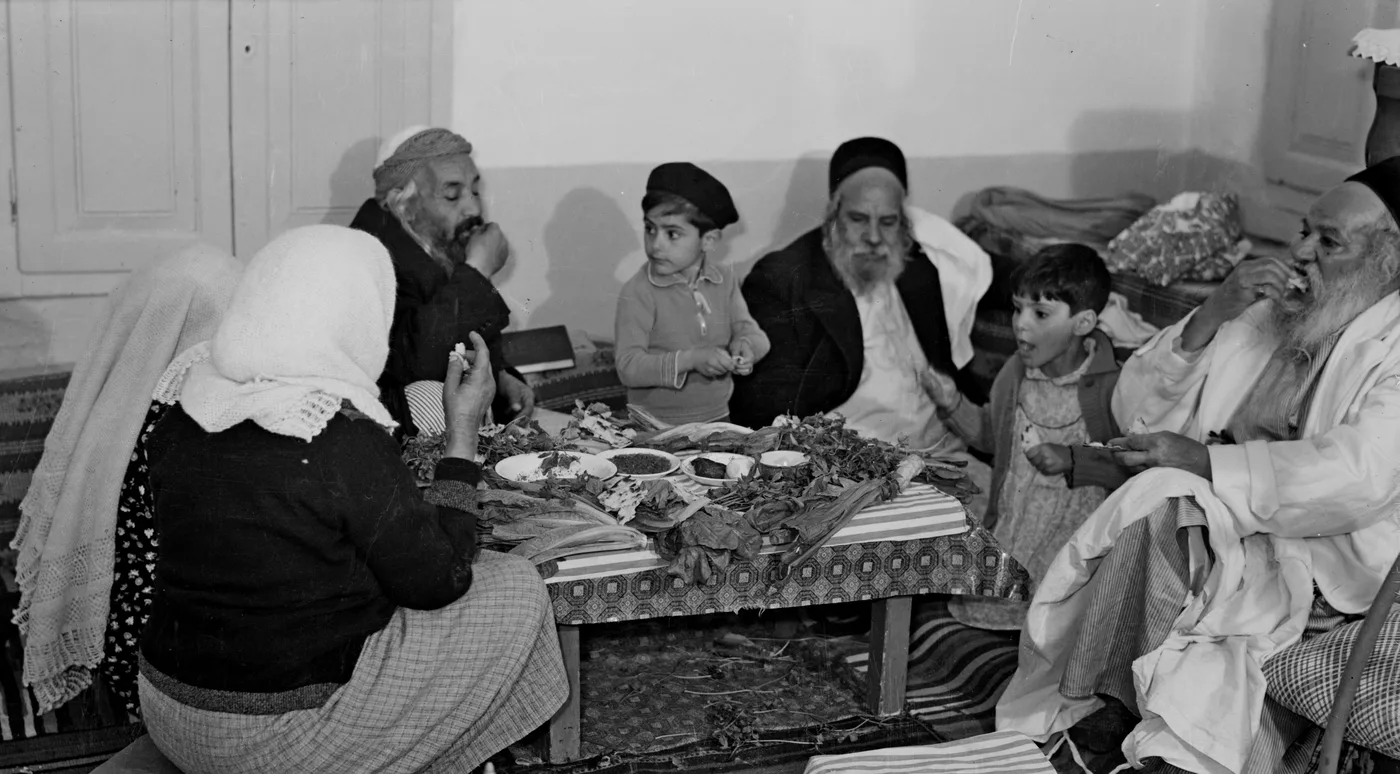
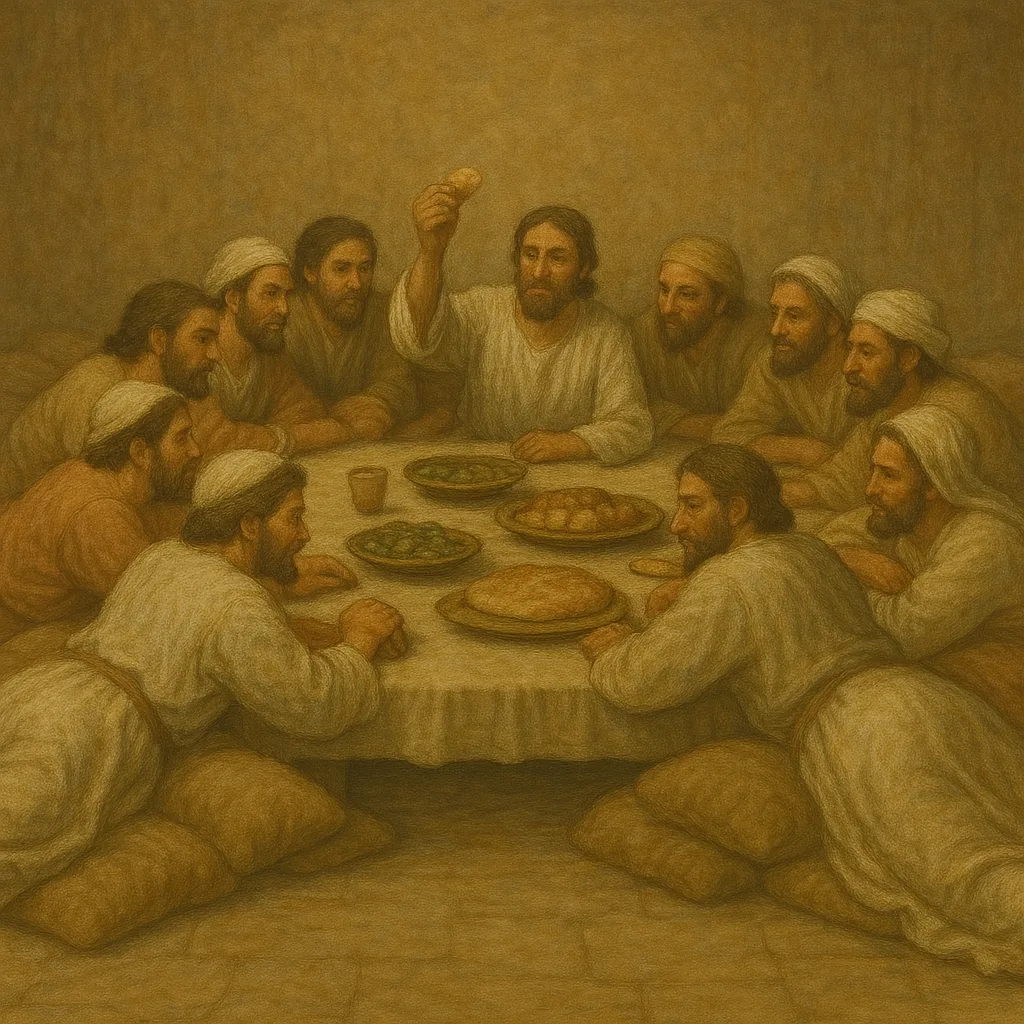
Meals were eaten from a mat or low table. The mat could be made of straw or an animal skin. The low table stood only about 30 centimeters (12 inches) high.
Translation
A higher table, at which a person could sit in a chair, was also known in ancient times. Such tables often had three legs, two on one side and one opposite, giving the table stability on uneven surfaces. In fact, the Greek word trapeza means “three legs.” Such tables, however, were used for purposes other than eating.
For the Hebrew word shulchan used with the sense of “altar,” see Temple altar and Incense altar.
For the Hebrew word mesav in SNG 1:12, see the comments at Bed, sleeping mat above.
In a number of New Testament passages, the word “table” is used in a phrase in which the focus is on what happens at a table rather than on the table itself. Thus, for example, “eat and drink at my table” (LUK 22:30; RSV) may be rendered “eat and drink with me” (CEV); “to serve tables” (ACT 6:2; RSV) may be “to assist in the distribution” (REB) or “to handle finances” (GNT); and “You cannot partake of the table of the Lord and the table of demons” (1CO 10:21; RSV) may be “You cannot participate at the same time in the Lord’s meal and in the meals of evil spirits” (PV).
In LUK 7:36 most English translations consulted use the word “table” in some phrase like “sat down at table.” It is possible, however, to avoid introducing the table. CEV has “got ready to eat.”